Humanoid robots proved once again that they can outrun some of the fastest humans in history at the 2026 World Humanoid Robot Games, held Aug. 22-26 at Beijing's National Speed Skating Oval. The competition brought together 2,056 robots from 666 teams representing 16 countries for five days of athletic and practical challenges. Among the most striking outcomes were four record-breaking performances in men's athletics benchmarks, headlined by a 100-meter sprint in 8.64 seconds - a time that shaved nearly a full second off Usain Bolt's world record of 9.58 seconds.
But the games were also a reality check for the field. As organizers and spectators watched robots tumble, stall, and recover, it became clear that raw speed in a straight line is one thing; reliable operation in the messy, unpredictable world is quite another. The event highlighted extraordinary engineering advances and the considerable gap that remains between controlled competitions and everyday human environments.
A Gathering of Humanoid Hardware
The 2026 edition of the World Humanoid Robot Games marked the second year of the event, which has quickly become a showcase for the latest in robotic locomotion, perception, and artificial intelligence. Held at the same venue that hosted speed skating during the 2022 Winter Olympics, the games expanded beyond track-and-field-style events to include football and martial arts competitions. Importantly, organizers also introduced challenges tied to real-world utility: warehouse logistics, factory-style assembly, and charging tasks. Those categories underscore a growing interest in deploying humanoid robots not just as performers, but as workers in logistics centers and manufacturing plants.
The participation numbers alone signal the pace of development: 2,056 robots fielded by 666 teams from 16 countries. That scale suggests a broad and fast-moving ecosystem of universities, startups, and state-backed robotics centers all racing toward commercially viable humanoid machines.
Records Shattered on the Track
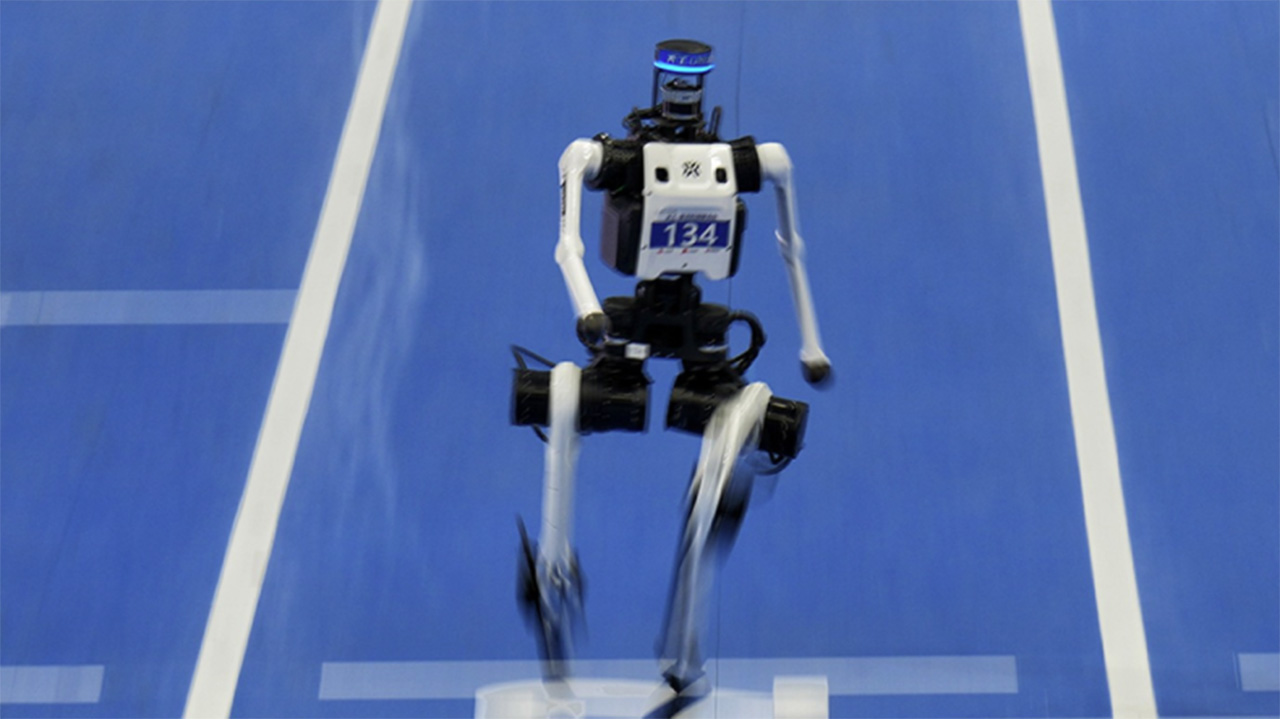
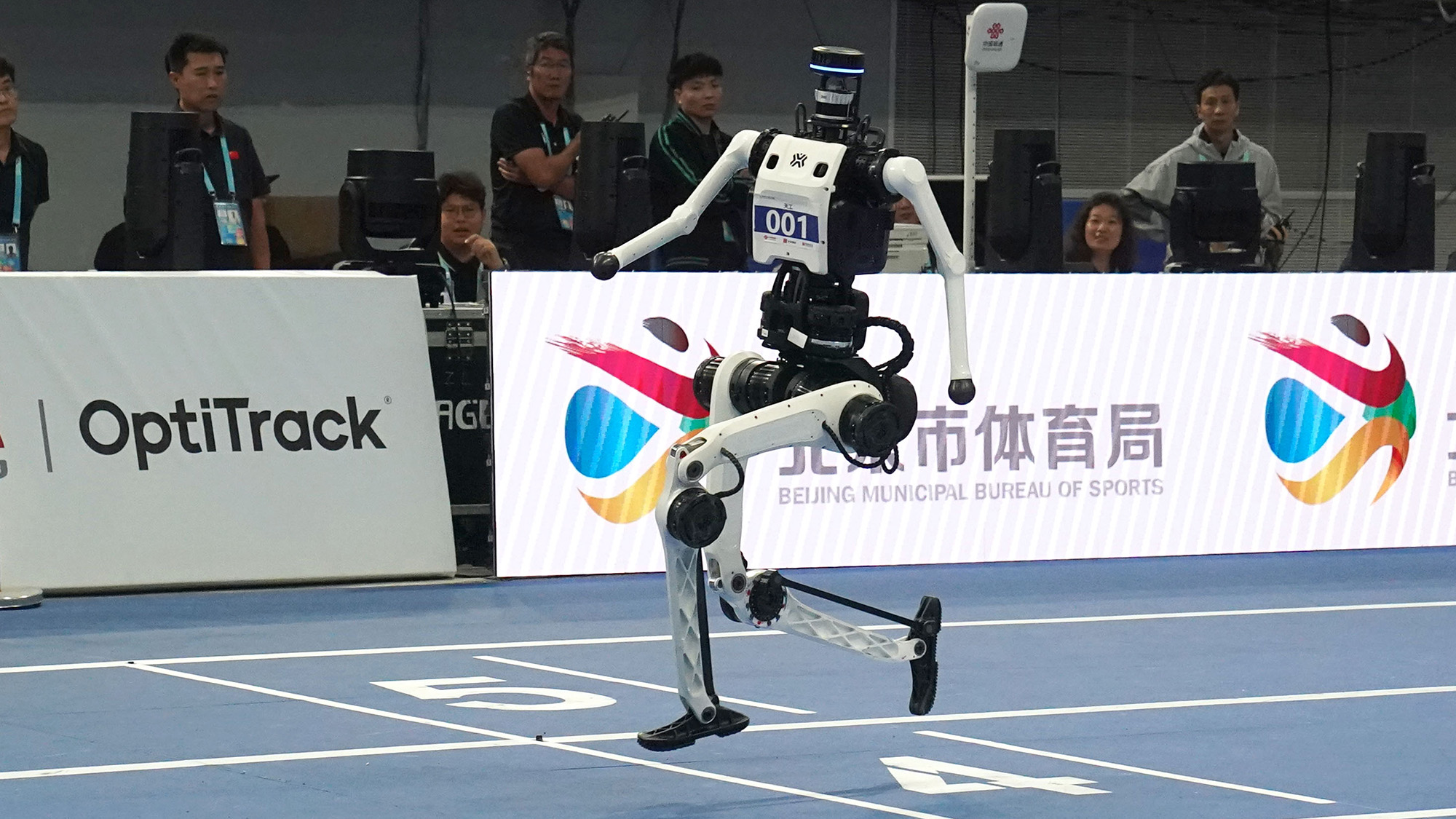
The signature moment of the games came in the 100-meter sprint. Tiangong Ultra, a humanoid developed by the Beijing Humanoid Robot Innovation Center, won the large-size final with a time of 8.64 seconds on Aug. 26. The robot had already shown its potential earlier in the competition, recording 9.39 seconds in an early heat and improving to 8.86 seconds in qualifying. The final run knocked 0.94 seconds off Bolt's long-standing human world mark of 9.58 seconds, set at the 2009 World Athletics Championships in Berlin.
Tiangong Ultra also claimed a new robot-era record in the 400 meters, crossing the finish line in 38.15 seconds. That time compares to Wayde van Niekerk's human world record of 43.03 seconds from the 2016 Rio Olympics - a difference of nearly five seconds. Although condition and category rules differ between human and robot competitions, the sheer numbers offer a benchmark for how quickly bipedal machines are improving.
More Than Speed
The games did not stop at sprinting. According to organizers, robots also set new high-water marks in the 1,500 meters and the high jump, events that require sustained energy output and precise vertical coordination. These four records in classic athletics disciplines are the most visible signs of a broader trend: humanoid robots are beginning to approach - and in some cases surpass - human athletic performance in controlled settings.
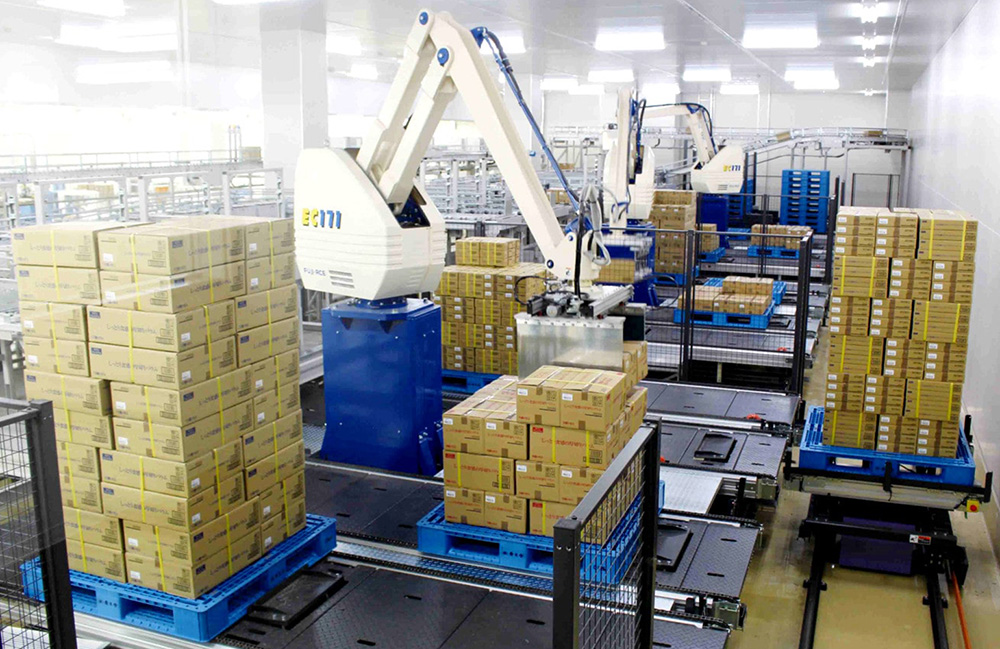
But just as notable as the record-breaking wins were the events designed for practical skills. In the warehouse logistics challenge, robots had to pick, transport, and place objects - tasks that might one day make them useful in distribution centers. Factory-style assembly tests asked robots to replicate manual labor that remains difficult to automate fully. Charging tasks seemed mundane by comparison, but reliable autonomous charging is a crucial stepping-stone for robots that need to work for extended periods without human intervention.
The Reliability Gap
For all the celebrated achievements, the 2026 games also made plain that humanoid robots are still far from dependable in the real world. The source of many dramatic moments at the event was not the finish line but the failures along the way - robots that overshot turns, lost balance, or needed restarting after a tumble. The very fact that organizers used highly controlled categories and conditions for the record runs indicates that these machines are not yet ready to walk out of the arena and perform in crowded, unpredictable spaces.
This tension between excellence and everyday reliability is a well-known challenge in robotics. A robot that can sprint 100 meters in 8.64 seconds relies on carefully tuned actuators, a flat track, and a predictable environment. Real-world settings involve uneven terrain, variable lighting, unexpected obstacles, and human presence. The gap between the lab or playing field and the real world remains one of the largest obstacles to adoption.
What the Records Really Mean
Just as important as the robots' times is what they do not mean. The record-breaking runs do not replace human world records, because the robots competed in their own categories with their own specifications and allowances. A humanoid robot does not carry the same weight, breathe, or fatigue as a human sprinter, nor does it face the same psychological pressures or tactical decisions. Comparing robot and human times directly is a useful exercise for illustrating progress, but it is not the same as a fair sporting contest.
What the numbers do indicate is a rapid upward curve in actuator performance, balancing algorithms, and real-time control. Last year's inaugural games had not seen such times; this year's improvements were stark. If these trends continue, future games could produce robots that not only sprint faster but also navigate stairs, deliver packages in office buildings, or respond to emergencies - all skills far more valuable to society than a gold medal in the 100 meters.
A Growing Global Competition
The international scope of the games suggests that humanoid robotics is no longer the province of a few elite laboratories. Teams from 16 countries brought machines with a variety of approaches to walking, running, and task execution. This diversity accelerates progress through competition and knowledge sharing. The Beijing Humanoid Robot Innovation Center's Tiangong Ultra is one prominent example, but the event's 666 teams mean that many other designs are iterating rapidly behind the scenes.
It is also worth noting that the games are designed to attract public attention and funding. High-profile sports contests serve as a demonstration platform for governments and companies hoping to position themselves as leaders in robotics. With events spanning athletics, football, martial arts, and industrial tasks, the organizers have created a multi-sport spectacle that maps loosely onto human sporting competitions while showcasing future workforces.
The Road Ahead
The 2026 World Humanoid Robot Games delivered headline-grabbing numbers and a clear message: the era of robots with advanced athletic capability has arrived. But between those records and reliable real-world performance lies a vast terrain of engineering challenges. Researchers must improve balance, sensory processing, power efficiency, and decision-making before humanoid robots can safely work alongside people in homes, hospitals, and factories.
The games themselves are part of that work. Each failure in Beijing is data for developers. Each record marks a milestone that will likely be broken next year. As the field stands now, the fastest humanoid on Earth can beat the fastest human over 100 meters in a controlled environment. The next goal is to make a robot that can calmly walk through a busy airport without falling over - a task that is arguably far harder than sprinting.
Practical Challenges Dominate
- Warehouse logistics tasks at the games required picking and placing objects in a structured environment, a far cry from the unpredictability of a real distribution center.
- Factory-style assembly work highlighted the need for precise, repeatable movement, but also exposed the difficulty of adapting to slight variations in parts orientation.
- Charging tasks emphasized the importance of autonomous energy management, a critical factor for any robot intended to operate throughout a full work shift.
- Football and martial arts competitions tested not only physical skill but also the robots' ability to respond to dynamic opponents and changing game states.
All these domains are converging with advances in artificial intelligence. Improved AI is helping robots perceive their surroundings, plan motions, and learn from feedback. The combination of athletic hardware and cognitive software is what makes modern humanoid robots far more capable than their predecessors from even a decade ago. The Beijing event gave the world a snapshot of that convergence and a preview of what is next.
By the time the next World Humanoid Robot Games roll around, the records from 2026 may seem modest. That would be a good sign. It would mean the field is still improving at a breakneck pace and moving closer to the ultimate goal of safe, dependable, and useful humanoid robots in the wild.
This article is based on reporting by Live Science. Read the original article.
Originally published on livescience.com