New York renews its AI-companion partnership
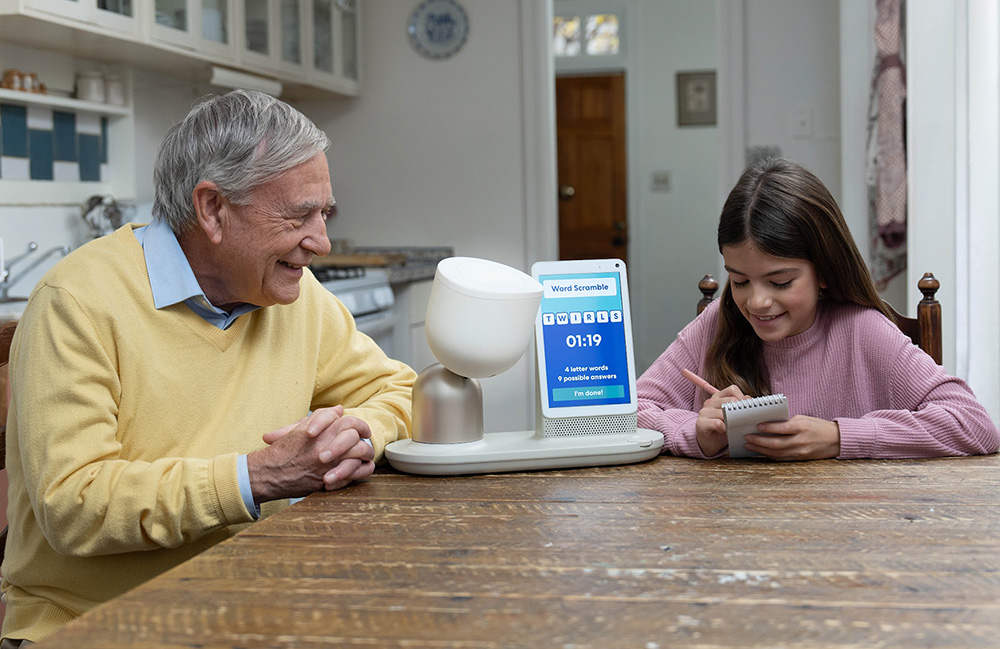
The New York State Office for the Aging has expanded its partnership with Intuition Robotics, committing $2.1 million over three years to continue providing the ElliQ AI companion to older New Yorkers at risk of loneliness and social isolation.
The agreement extends a public-private program that began in 2022. Hundreds of older adults in the state have received ElliQ through the initiative, according to NYSOFA, and interest has continued to rise: more than 3,500 older adults applied to participate in 2025 alone.
Designed for proactive engagement
ElliQ is positioned as more than a question-answering device or a reminder system. The platform is intended to proactively engage users, learn about their needs and build familiarity over time.
Intuition Robotics says ElliQ extracts memories from conversations and classifies them by importance and relevance, using that context in later interactions. The program’s stated goal is to help people remain healthier and more independent at home while addressing loneliness and isolation.
A public-health framing
NYSOFA cited the health consequences of social isolation in explaining the program’s expansion. The office pointed to an AARP and Centers for Medicare & Medicaid Services report on the impacts of loneliness and social isolation among older adults and Medicare spending.
State aging director Greg Olsen described ElliQ as one tool among broader efforts to address the digital divide, social isolation, health and wellness, and caregiver support. The agency reports favorable results from its earlier work with the company, although the supplied report does not provide detailed outcome data from the New York program.
A wider test of AI companions in care systems
Intuition Robotics, based in Ramat Gan, Israel, was founded in 2016. Beyond New York, it has partnerships in Wisconsin, Florida and Washington; the Washington program is aimed at Medicaid recipients.
The New York renewal offers a concrete example of a government agency moving from a limited deployment to a multiyear commitment for an AI companion. Whether such systems can sustainably improve wellbeing will depend on continued evaluation, privacy practices and how they complement—not replace—human care and community services. For now, the scale of demand is helping make AI companionship a more consequential part of aging-in-place policy discussions.
This article is based on reporting by The Robot Report. Read the original article.

Originally published on therobotreport.com