Google pushes Gemini from chat toward task completion
Google is expanding Gemini with a task-focused mode designed to carry out everyday digital chores rather than simply answer questions. The company says the update lets users hand off work such as scheduling appointments, reviewing utility bills, managing groceries and making purchases through connected services.
The change reflects a wider industry effort to make consumer AI systems more useful as agents: software that can act across accounts and services, not merely generate text in a chat window. Google is positioning Gemini as an assistant for people juggling meetings, classes, school drop-offs and other routine demands.
According to Google, the rollout begins free of charge for users in the United States, Japan, Korea, Canada, Australia and India. The company says the features use its Gemini 4 Hydrogen model and are intended for hundreds of millions of people across those markets.
What Gemini Tasks is meant to do
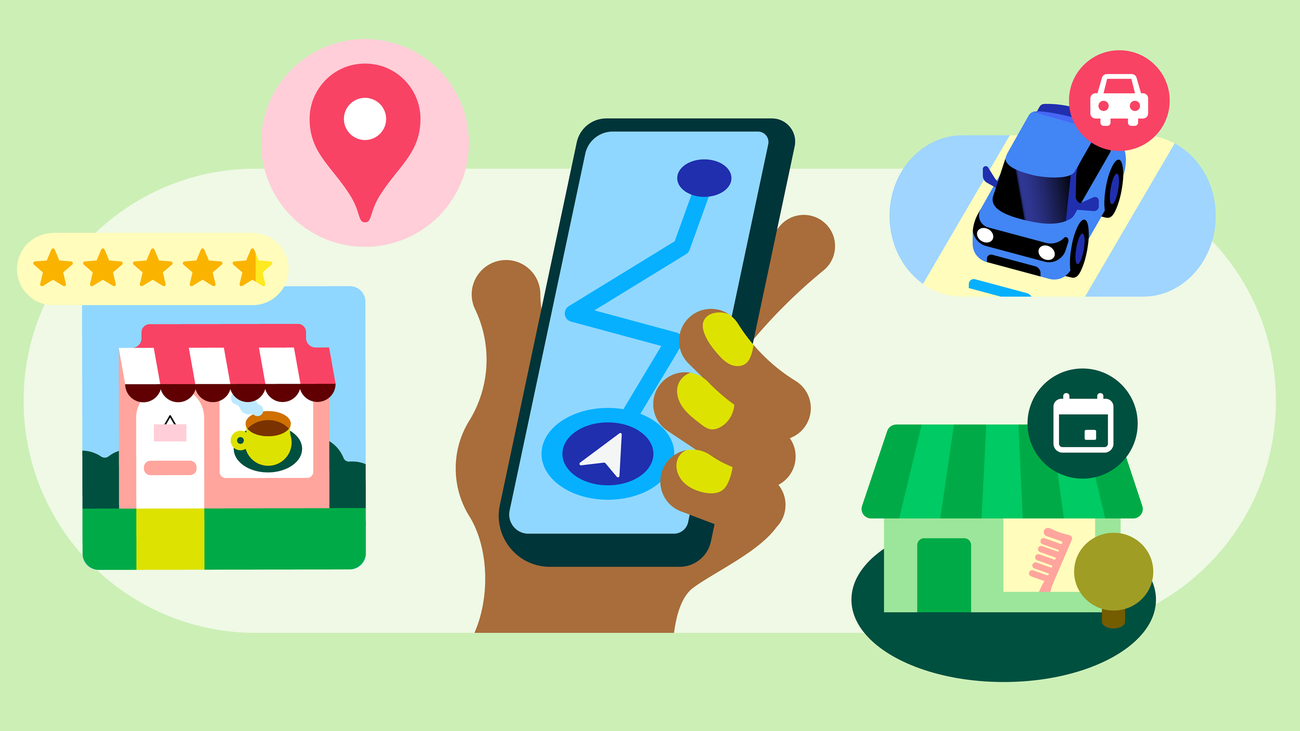
Google describes the new capability as a way to delegate complex, multi-step errands. A user might ask Gemini to arrange an appointment, inspect information in a utility bill, organize a grocery list or buy items through an integrated service. The system can draw on connected email, calendar and payment information when a task requires it.
That is a more consequential role than summarizing an inbox or suggesting a calendar entry. Scheduling requires working through timing and availability. Bill management involves interpreting personal financial information. Shopping can lead directly to a purchase. Each task therefore turns an AI response into an action with real-world effects.
Google says users can access the new capabilities by switching Gemini from Chat to Task mode in the mobile app. The company also says people can interact through text on Android or iOS, or forward email to [email protected]. The availability and feature set may vary by country, with some advanced functions initially launching in the United States.
Security is central to the pitch
Giving an AI access to messages, calendars and payment methods creates an obvious trust challenge. Google says Gemini performs these tasks in secure, hardware-isolated virtual machines intended to protect private data and account information. The company characterizes those isolated environments as a safeguard while the assistant works with sensitive connected services.
That architecture matters because the utility of task-oriented assistants depends on access. An AI that cannot see the relevant email, calendar entry or bill cannot reliably complete many of the jobs users want to hand off. But broader access also raises the stakes if an assistant misunderstands an instruction, takes an unwanted action or exposes information that should remain private.
Google’s announcement frames the product as a time- and money-saving tool, but the practical test will be whether users are comfortable connecting the accounts needed to make it effective. It will also depend on whether the assistant can make its actions understandable enough for people to supervise before a reminder, booking or purchase becomes final.
A new phase for mainstream AI assistants
The rollout illustrates how quickly major AI platforms are moving beyond the question-and-answer interface that defined the first consumer wave of generative AI. The next contest is likely to be about dependable execution: whether an assistant can handle a chain of routine actions while preserving the user’s control over personal data, payments and schedules.
For Google, Gemini Tasks also makes deeper use of the company’s existing ecosystem. Email, calendars and mobile devices already contain much of the context needed for household and work administration. Integrating that context could make an assistant more useful, but it also makes clear permissions, secure handling and reliable user oversight essential product requirements.
The company is starting with a limited set of countries and says advanced features will begin in the United States. As the rollout expands, the important measure will not simply be how many tasks Gemini can attempt. It will be how well the system can complete them accurately, transparently and safely when the task involves the details of a person’s daily life.
This article is based on reporting by Google AI Blog. Read the original article.
Originally published on blog.google