Auto retail consolidation accelerated in the first quarter
The U.S. dealership buy-sell market gained momentum in the first quarter of 2026, with transactions rising sharply from a year earlier. According to Automotive News data cited in the source report, dealership buy-sell deals climbed 31% to 94 transactions, signaling a stronger pace of ownership turnover and continued consolidation across the retail auto market.
For an industry that often treats dealership ownership as a slow-moving, relationship-driven business, that increase is meaningful. Buy-sell activity reflects more than simple market churn. It can indicate changing capital conditions, succession dynamics, franchise strength, geographic strategy, and the willingness of larger groups to keep building scale while smaller operators reassess risk.
The quarter’s clearest markers
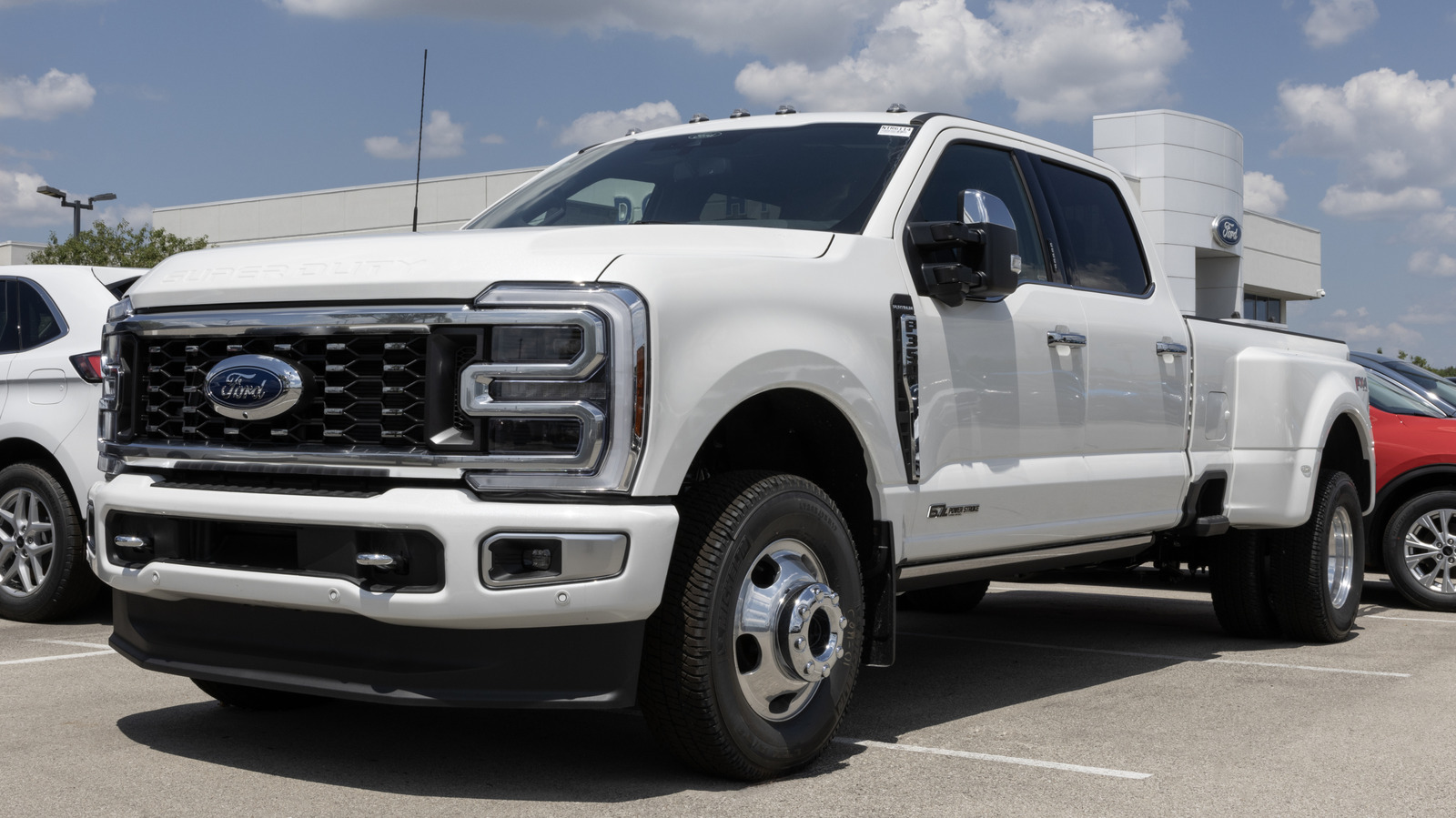
The report identifies California as the most active state for first-quarter transactions and Chevrolet as the most-traded brand. Twenty-six Chevrolet stores changed hands during the quarter, underscoring how heavily volume franchises can figure into retail reshuffling even when luxury and specialty rooftops also attract attention.
The article also notes that public retailers sold more than they bought. That is an important nuance. Consolidation in auto retail does not always mean the largest public groups are acquiring aggressively every quarter. In this case, public retailers appear to have been net sellers, which may reflect portfolio optimization rather than retreat. Operators can sell stores to sharpen geographic focus, exit weaker assets, or reallocate capital.
Why buy-sell activity matters beyond the dealers involved
Dealership ownership changes are often read as a local business story, but they also offer a wider view into the health and direction of the automotive economy. Dealers sit at the intersection of manufacturers, consumers, financing, service demand, and regional growth. When store ownership changes hands at higher rates, it can signal shifting expectations about all of those things.
A 31% year-over-year increase suggests that buyers and sellers alike saw enough confidence or urgency to close deals despite the uncertainties still hanging over the sector. Those uncertainties include the transition toward electrification, pressure on service models, software complexity in vehicles, and the need for continuing investment in facilities and digital operations.
For some owners, those pressures can make scale more attractive. Larger groups may be better positioned to spread technology costs, absorb margin volatility, and navigate changing manufacturer requirements. For others, the same environment can create a good moment to sell, particularly if valuations remain acceptable and succession planning is unresolved.
California’s role is not incidental
California leading the states in first-quarter activity is consistent with its oversized role in U.S. auto retail. It is a large vehicle market, a major testing ground for new retail and technology strategies, and a state where brand mix, demographics, and regulatory conditions make dealership assets particularly consequential.
High activity in California can therefore shape the tone of the national market. Deals there can influence valuation expectations, strategic positioning, and competitive patterns for both regional groups and national operators. Even when transaction counts alone do not tell the full story, where those transactions happen often does.
Chevrolet’s position also says something about scale
That Chevrolet was the most-traded brand is also revealing. Large mainstream franchises remain central to dealership economics because they combine sales volume with a substantial service footprint. When many Chevrolet stores change hands in a single quarter, it suggests investors and operators still see meaningful opportunity in high-volume domestic retail, even as the industry wrestles with electrification and shifting consumer habits.
In other words, the market is not moving only toward exotic brands or high-end consolidation plays. Bread-and-butter franchises remain the core of the retail system, and ownership interest follows that reality.
A market still in motion
The broader takeaway from the first quarter is not simply that more stores were bought and sold. It is that U.S. dealership ownership remains highly active during a period when the automotive business model is still being reworked. Retailers are deciding how much scale they need, which brands and geographies fit best, and how to position themselves for a market increasingly defined by technology investment and operational complexity.
With 94 transactions in the quarter, California leading the state rankings, Chevrolet topping the brand list, and public groups selling more than buying, the buy-sell market offered a compact snapshot of an industry still reorganizing itself. Consolidation is not a future possibility in auto retail. It is an ongoing operating condition.
This article is based on reporting by Automotive News. Read the original article.
Originally published on autonews.com