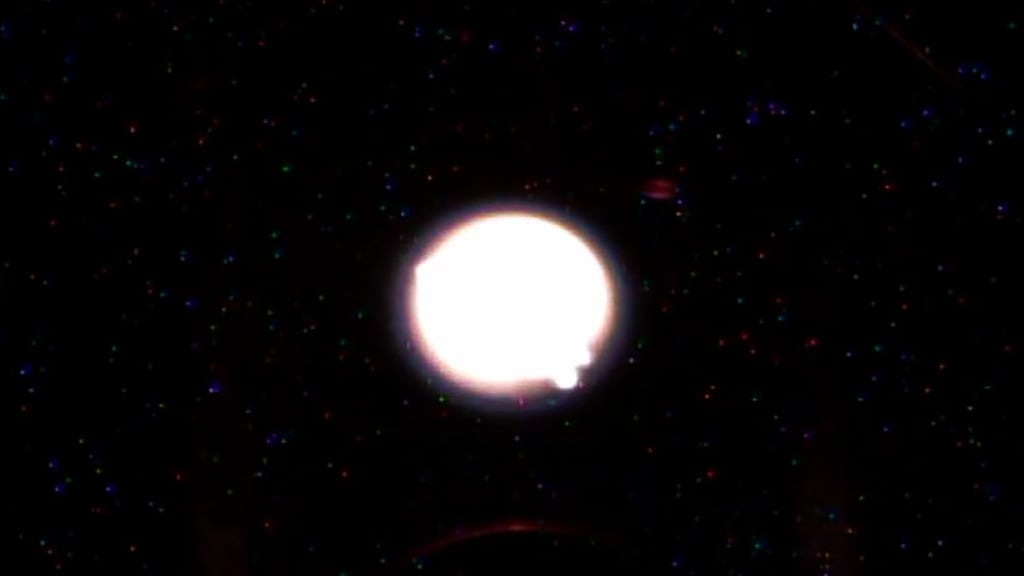
月球火灾安全可能与地球完全不同
火灾始终是人类航天飞行中最令人畏惧的危险之一。在月球上,这种危险可能比任务规划者希望的更难预测。来自NASA格伦研究中心、约翰逊航天中心以及凯斯西储大学的研究人员在一篇新论文中指出,那些按地球标准被判定为安全的材料,在月球表面可能表现得截然不同。
这种担忧并非假设。几十年来,NASA一直依靠名为NASA-STD-6001B的测试来筛查飞行材料的可燃性。标准程序是将一支6英寸火焰施加在垂直安装样品的底部。如果材料向上燃烧超过6英寸,或者滴落燃烧碎屑,就判定不合格。
这项测试很有用,但它建立在地球条件之上。月球提供的是另一种完全不同的环境:更低的重力、不同的流体动力学,以及空气流动可能不会按人们熟悉方式运行的操作环境。新研究认为,这些差异足够显著,因此在宇航员开始依赖远离地球的栖息舱、航天服和设备之前,有必要进行专门的月球火灾实验。
为什么现行标准存在局限
地球可燃性测试的弱点不在于设计不良,而在于对流和方向性在离开地球后会以不同方式发挥作用。在这里,热空气上升,新鲜氧气补充进来,火焰的伸展方式也符合人们的直觉。在微重力环境中,这种结构会改变。火焰可能形成缓慢移动的球状形态,而不是向上攀升。
原文指出,在国际空间站上,火焰不会简单地朝上,因为“上”和“下”的作用方式并不相同。相反,火焰可能以球状团块向外扩散,并且高度依赖通风系统来获取氧气流动。
月球并非微重力环境,但它也不是地球。其较低的重力可能会产生现有标准无法捕捉的燃烧行为。这使工程师在已测试的假设与真实任务条件之间出现了缺口。
以往太空火灾测试揭示了什么
NASA并没有忽视太空中的燃烧研究。该机构此前曾在无人驾驶的天鹅座货运飞船舱内开展Saffire,或称航天器火灾安全实验。这些飞船在与国际空间站分离后、在重返地球大气层烧毁之前进行了实验。实验点燃了大面积材料,例如棉-玻璃纤维混合物、织物和丙烯酸,以研究微重力中的火势蔓延。
研究人员在那里也发现了不同寻常的燃烧物理现象,进一步强化了这样的观点:单靠地球直觉是不够的。问题在于,在载人空间站上进行更大范围的原位火灾测试本身就极其危险。NASA确实已经进行了许多小火焰的受控燃烧研究,但故意在有人员居住的航天器内部测试会造成损害的大火,则是另一回事。
这也是为什么月球成为一个有吸引力的研究场所,尽管其操作难度显而易见。它提供了一个低重力环境,可以在不把持续有人居住的轨道空间站置于类似风险中的情况下观察火焰行为。
阴燃材料的隐蔽危险
报告中的一个细节尤其重要:仅仅关闭通风并不一定能消除危险。气流减弱可能会减缓可见火焰的蔓延,但某些材料可能会阴燃,并在气流恢复时重新点燃。这意味着火灾应对不仅仅是当下扑灭明火,还包括防止在环境控制变化后发生延迟复燃。
对于月球任务来说,这种可能性很严重。栖息舱、车辆和工作空间可能会在不同气流状态之间切换,而应急程序可能涉及隔离舱段或改变生命保障条件。如果阴燃行为在月球重力下不同,那么在一种条件下看似可控的材料,在另一种条件下仍可能保持危险。
这正是标准化“通过/不通过”筛查可能遗漏的风险类型。
为什么月球是特殊案例
月球足够近,足以使持续的人类活动变得可行;又足够远,以至于设计失误的代价极高。那里的任务将依赖封闭环境、专用材料和严格受控的生命保障系统。在这种环境下,一次未被充分理解的火灾事件将成为高后果紧急情况。
因此,研究人员希望的不只是理论。他们希望直接在月球表面对可燃性进行测试。逻辑很直接:如果火焰传播会随着重力和气流而变化,那么月球任务架构就应以月球数据为依据,而不只是外推。
这是一项实际的工程论证,而不是抽象讨论。材料认证标准帮助决定哪些材料可以飞行、哪些可以用于栖息舱,以及风险模型该如何编写。如果这些标准遗漏了月球特有的因素,那么在宇航员无法迅速获救之前,就应当先把这个缺口补上。
月球火灾实验可能带来什么变化
一次成功的测试计划可能影响未来任务规划的多个部分:
- 用于栖息舱、航天服和货运系统的材料选择。
- 载人月球空间中的通风和气流设计。
- 针对明火和阴燃事件的应急响应程序。
- 对目前主要基于地球测试的可燃性标准进行更新。
即便月球结果只是证实现有预期,这项研究也仍然具有重要意义。在真实任务条件下进行验证,本身就有价值。如果结果反而显示某些材料比预期更易燃、更持久燃烧,或更容易出现隐蔽阴燃,那么影响可能会更大。

阿耳忒弥斯时代规划中安静却关键的一环
太空探索常常围绕火箭、栖息舱和雄心来讨论。然而,一些最重要的进步却并不戏剧化。理解火在月球上如何表现,就属于这一类。这是一个基础性的安全问题,必须在宇航员被要求在月球表面长期居住和工作之前得到充分回答。
这篇新论文并未声称月球基地会变成火灾陷阱。它提出了一个更具体也更严肃的观点:NASA沿用数十年的测试是在地球上开发出来的,而月球不是地球。较低重力会改变燃烧,通风会改变火焰行为,而阴燃可能会在可见火焰似乎已经熄灭后继续保留危险。
在长期月球探索规模扩大之前,这种不确定性需要变成数据。对于任务规划者、工程师和宇航员来说,在火灾真正发生之前就准确知道它会如何表现,是再实际不过的事。
本文基于Universe Today的报道。阅读原文。
Originally published on universetoday.com
