两座小星系讲述着一个关于黑洞的大故事
詹姆斯·韦布空间望远镜对室女座星系团中两座矮星系的观测,为黑洞并合如何在长期内重塑星系提供了新的证据。根据所提供的原文,研究人员对 NGC 4486B 和 UCD736 的研究发现,这两座星系都拥有质量过大的黑洞,其质量占各自星系总质量的比例异常之高。
原文给出的主要解释是,这些星系曾经历并合,剥离了大量恒星。留下来的,是一个由更小的恒星系统包裹着的黑洞群体,而这些黑洞相对于宿主星系如今显得异常庞大。换句话说,黑洞并不一定是自己无缘无故长到了不合常理的巨大规模,而是星系本身被削减了。
JWST 似乎揭示了什么
文章特别强调了 NGC 4486B。JWST 的观测表明,它的中心黑洞最初可能是两个较小的黑洞,随后发生碰撞并合并。形成后的黑洞据称质量约为太阳的 3.6 亿倍。更引人注目的是,它似乎并不位于星系正中央,而是偏离中心。
这种偏移正是这些观测具有说服力的原因之一。密歇根大学的 Monica Valluri 在所提供文本中表示,在大多数能够看到黑洞的星系里,黑洞都直接位于中心。而在 NGC 4486B 中,黑洞明显偏移,仿佛曾被撞离原位,并正在缓慢回到星系核心。
原文指出,早先哈勃望远镜和地面观测已经显示该黑洞的位置不同寻常,但 JWST 数据帮助揭示了相对较近一次并合留下的迹象,这可以解释这种扰动。

为何恒星剥离很重要
更广泛的论点与星系演化有关。在相互作用和并合过程中,星系可能通过引力剥离失去大量恒星。如果在这一过程中其中心黑洞得以幸存并最终并合,那么这些黑洞相对于剩余星系质量所占的比例就会比之前大得多。
这一点很重要,因为天文学家常常将黑洞与其宿主星系联系起来进行解读。如果并合已经极大改变了宿主星系,那么一个“质量过大”的黑洞,未必仅仅反映黑洞本身的增长,它也可能记录了周围星系因暴力减损而留下的痕迹。
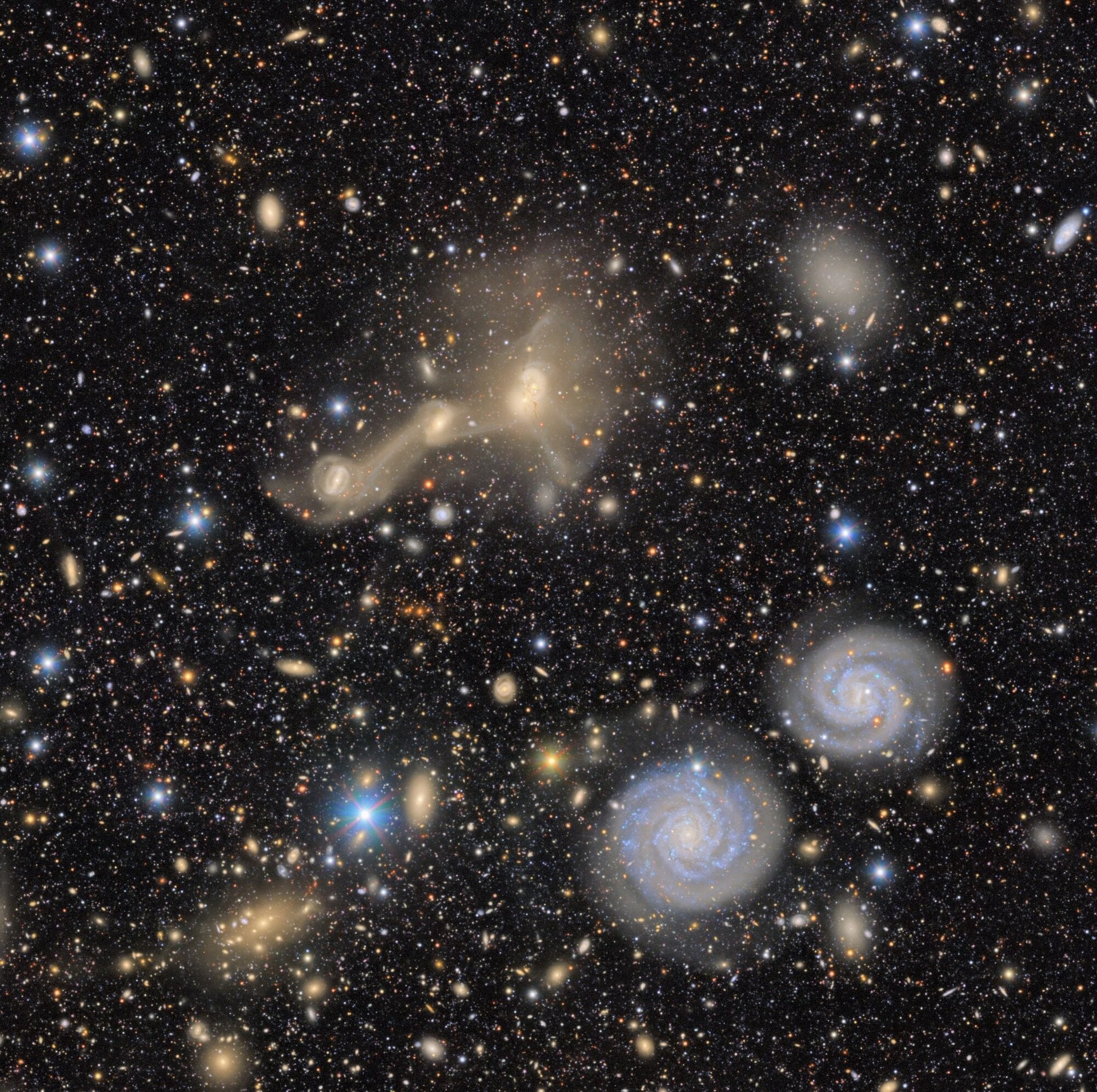
室女座星系团非常适合开展这类研究,因为其中的星系彼此距离很近,强引力遭遇很常见。所提供文本明确指出,星系在该星系团中拥挤在一起,这使它们更容易在相互引力作用下被撕扯开来,并留下恒星更少、而黑洞看起来异常庞大的系统。
黑洞并合历史的一扇窗口
这项研究的意义不止于这两座星系。原文称,随着天文学家观测更多星系并合,并追踪这些事件中黑洞并合的影响,他们就能更清楚地勾勒出宇宙中星系长期演化的图景。
这种表述很重要,因为直接捕捉黑洞并合后果的证据并不容易。黑洞碰撞本身极其剧烈,但宿主星系中长期可见的视觉特征却可能非常细微。一个位于被剥离的矮星系中、偏离中心的巨大黑洞,正是有助于把理论与观测结构联系起来的线索。
候选文本还提到,对经历过黑洞并合的星系应当呈现何种外观的预测。其含义是,这些 JWST 观测开始比以往数据更清晰地符合这些预期。
为什么这是 JWST 的一个重要结果
JWST 常被讨论用于观测极其遥远的星系和早期宇宙,但这个案例显示了它在更近的范围内同样强大的能力,也就是我们附近的室女座星系团。通过分辨这些矮星系中相互作用的结构和后果,它帮助天文学家解读并合留下的历史记录。
这里描述的研究并没有声称解决了黑洞增长的所有问题。但它确实支持了一种令人信服的解释:为什么一些小星系会拥有看上去与其当前规模不相称的黑洞。它们或许是更大系统的伤痕累累的残余,这些系统在反复遭遇中失去了大量恒星内容。
这也让“铁证”这样的说法变得容易理解。这些观测似乎展示的不只是黑洞并合确实会发生,还包括在致密星系团环境中,一次并合在星系内部完成后会留下怎样的外观。在 NGC 4486B 和 UCD736 中,结果是一对被削弱的星系,而它们的黑洞仍保留着更动荡过去的质量和动力学记忆。
本文基于 Universe Today 的报道。阅读原文。
Originally published on universetoday.com