The electric van is back after a one-year break
Volkswagen’s ID. Buzz is returning for the 2027 model year after its hiatus for 2026, and the comeback comes with two new trim levels aimed at broadening the van’s appeal. The headline additions are the Pro S 4Motion and the Tourer 4Motion, both of which add all-wheel drive, with the latter leaning into camping and overnight-use features.
The return matters less because of a dramatic redesign and more because it shows Volkswagen still sees the ID. Buzz as part of its electric lineup, even after the model temporarily stepped away from the market. The van has always carried symbolic weight because it channels the company’s retro microbus heritage while trying to translate that identity into the EV era.
What is new for 2027
The Pro S 4Motion appears to be the base trim van with all-wheel drive added. The more distinctive update is the Tourer 4Motion, which is based on the European Good Night Package and is explicitly designed to make the ID. Buzz more useful for camping and sleeping in the vehicle.
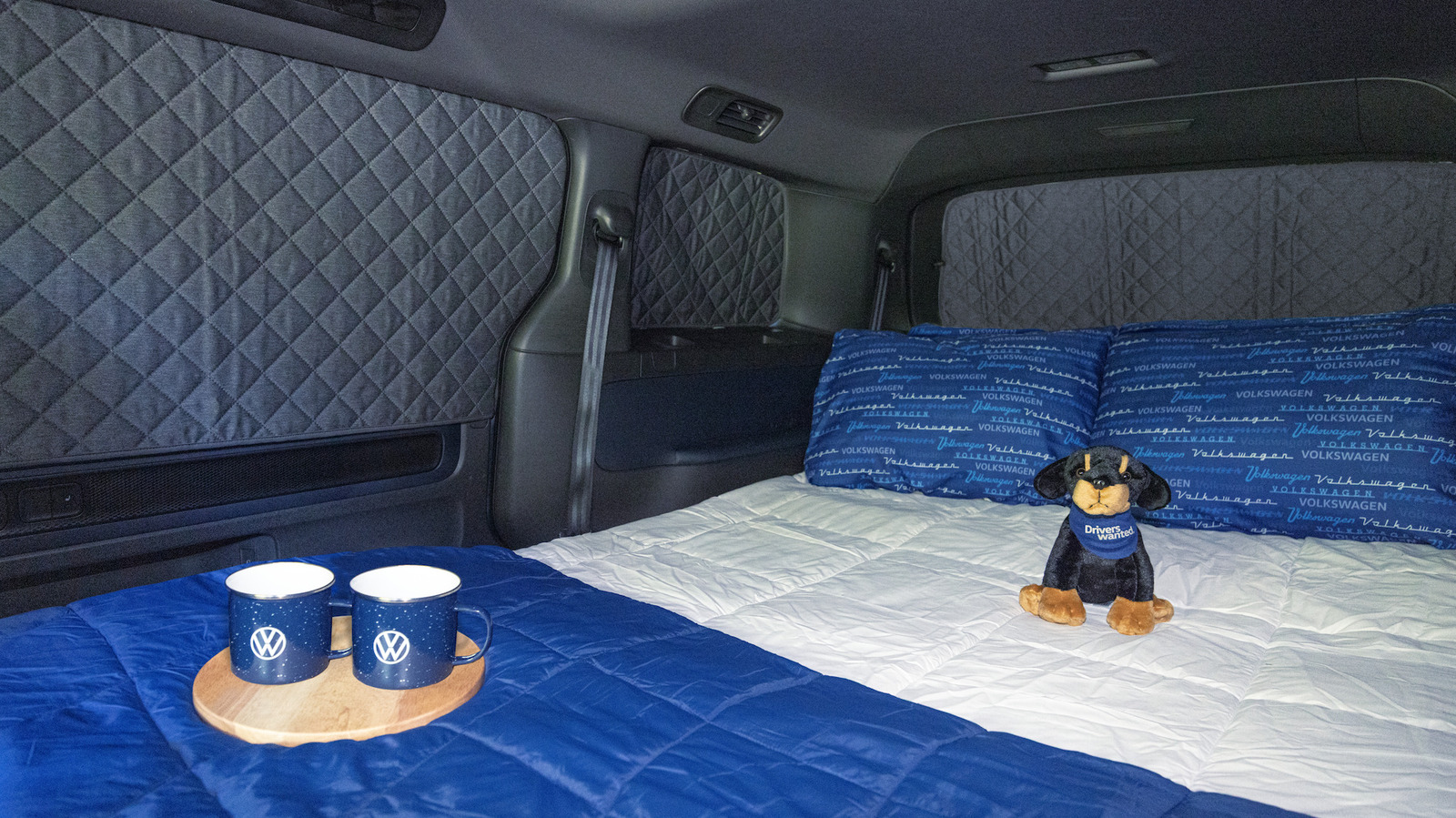
According to the supplied source text, the Tourer 4Motion includes a fold-out mattress with platform, window blinds, front window ventilation panels, and an outdoor table-and-chairs set. Volkswagen is also adding an Overnight Mode in software intended to adapt interior and exterior functions to make the van more sleep-friendly.
That package is the clearest sign of how Volkswagen is positioning the Buzz. Rather than pushing it only as a family EV or lifestyle shuttle, the company is leaning into a modern camper identity. That move makes sense. The vehicle’s shape, nostalgia factor, and electric drivetrain already place it in a niche where buyers may value character and use-case flexibility over raw practicality.
A product return with restrained fanfare
One of the more striking details in the source material is how subdued the return appears to have been. The 2027 ID. Buzz did not get a standalone, high-profile rollout. Instead, it was folded into a broader lineup announcement, despite being one of Volkswagen’s most recognizable EV nameplates.
That restraint may reflect a few realities. First, the 2027 changes are incremental rather than transformational. Second, the ID. Buzz occupies a specialized slice of the market, so Volkswagen may be treating it more as a brand and image product than as a core volume driver. Third, EV strategies across the industry remain fluid, and product messaging is becoming more cautious as automakers balance enthusiasm with demand realities.
Why the camper angle matters
The Tourer 4Motion may end up being more important than it first appears. Camping-oriented EVs are difficult products to get right because range, charging, interior packaging, and real-world overnight usability all matter. Even modest factory-supported features can reduce friction for buyers who want a road-trip or weekend-use vehicle without moving all the way into a dedicated camper segment.
The addition of features such as blinds, ventilation panels, and a fold-out sleeping setup suggests Volkswagen is trying to make the Buzz more than a styling exercise. It is a way of turning the van’s shape into actual utility, even if the market remains niche.
The broader 2027 Buzz lineup is also getting a software update, according to the supplied text, though specific details were not included in the extract. That is consistent with the reality of modern EVs, where iterative software improvements increasingly sit alongside hardware trims as part of the ownership pitch.
A symbolic model still looking for its place
The ID. Buzz has always been as much about emotion as transportation. It revives one of Volkswagen’s most iconic silhouettes, but it does so in a market with very different expectations around price, range, and practicality. The 2027 return does not settle those tensions. What it does do is show that Volkswagen is still trying to find the right formula, and that formula now includes a more explicit camping story and a broader all-wheel-drive offering.
For buyers who want an EV with personality, the Buzz remains unusual. For Volkswagen, the question is whether unusual is enough. The 2027 update suggests the company believes the answer might be yes, if the van becomes a little more useful and a little more purpose-built than before.
This article is based on reporting by Jalopnik. Read the original article.
Originally published on jalopnik.com