A New Kind of Car Requires a New Kind of Factory
The automobile is being reorganized from the inside out. For decades, cars were built around dozens of separate electronic control units — individual black boxes managing everything from power steering assist to seat heating to collision warnings — connected by wiring harnesses that collectively weighed more than 100 pounds in some vehicles. General Motors has spent the past several years developing an architecture that replaces most of that distributed network with a single central compute unit: the vehicle's brain. On March 24, 2026, the French supplier tasked with manufacturing that brain broke ground on the facility that will produce it.
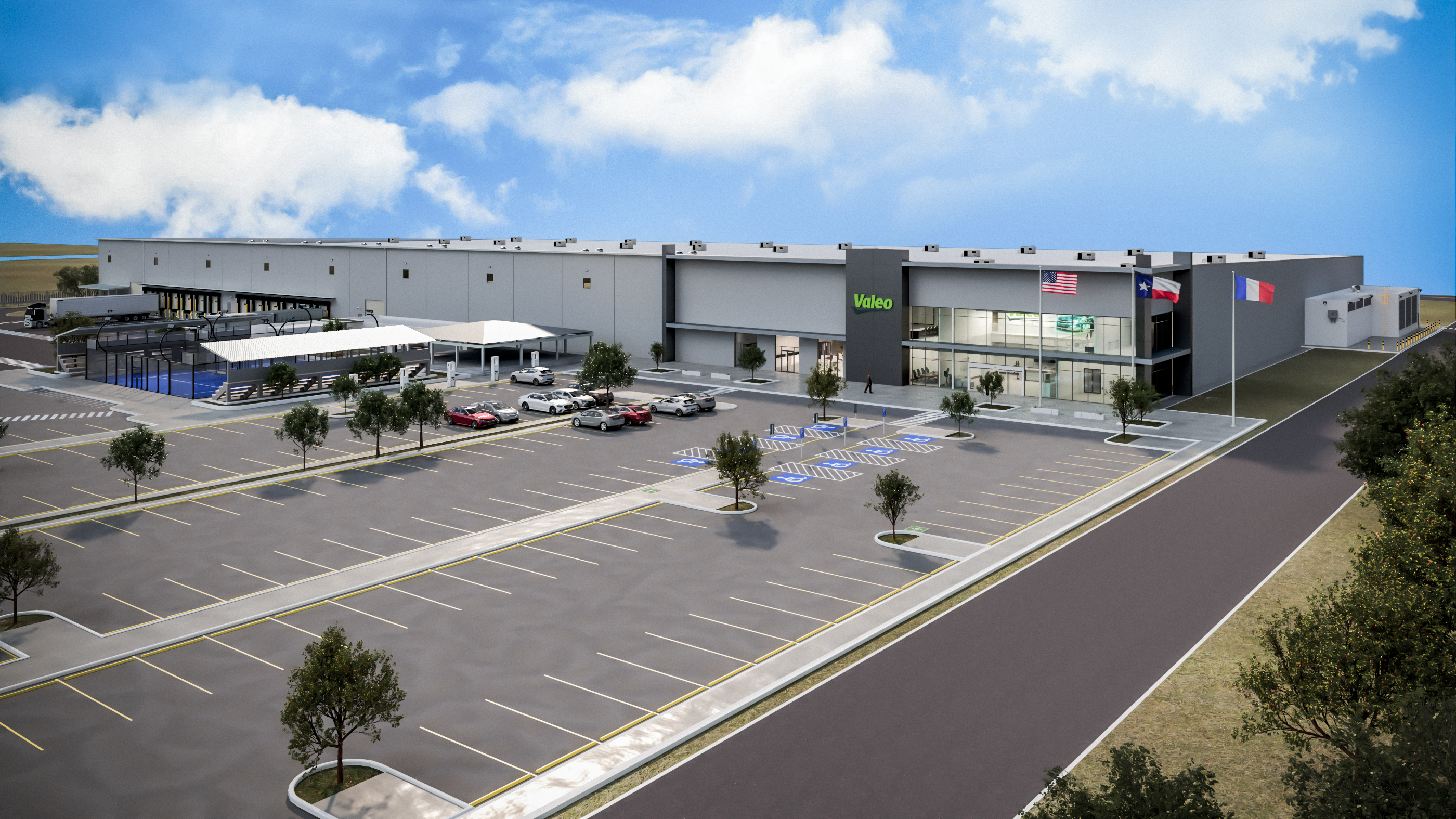
Valeo, ranked thirteenth globally among automotive suppliers with $19.7 billion in 2024 revenues, selected McAllen, Texas, for a $225 million factory that will supply GM's central compute units when the new platform begins production. The investment will create up to 500 jobs at a facility that is expected to employ increasingly sophisticated assembly and testing processes as GM's electrical architecture matures.
What a Central Compute Unit Actually Does
The transition from distributed to centralized vehicle electronics is one of the most significant architectural shifts in automotive history. In a traditional vehicle, a specific module handles each function independently: one unit manages the antilock braking system, another controls the infotainment display, another manages the adaptive cruise control radar interface. These units communicate with each other over a vehicle CAN bus, but they were designed to operate independently and are difficult to update once installed.
A central compute unit changes the fundamental model. Rather than purpose-built chips for each function, the central unit runs software-defined applications on general-purpose processing hardware — essentially a server inside the car. This allows GM to push software updates to multiple vehicle systems simultaneously, add new features through downloads rather than hardware replacements, and eventually run advanced AI workloads that require the kind of compute density that distributed architectures cannot provide.
The performance claims in the Valeo announcement are substantial. GM says the new architecture enables over-the-air updates that are ten times faster than current systems, provides one thousand times more bandwidth for data transfer between vehicle subsystems, and delivers 35 times more AI computing capability for the autonomous and driver assistance features the automaker plans to deploy over the next decade. The first vehicle to use the platform will be the Cadillac Escalade IQ in 2028, with peak production across GM's lineup expected in 2029 and 2030.
Why McAllen
The choice of McAllen reflects the geographic logic of GM's manufacturing network. The city sits at the southern tip of Texas, directly on the U.S.-Mexico border, and is already home to an existing Valeo sensor facility. GM's primary vehicle assembly plants in Mexico are located in Ramos Arizpe and San Luis Potosí — both within practical supply chain distance of the McAllen facility. Building the compute units in Texas rather than in one of the lower-cost Mexican states is likely a response to the supply chain vulnerability concerns that have dominated automotive supplier decisions since the semiconductor shortages of 2021 and 2022, combined with U.S. content requirements that affect how vehicles are classified under trade agreements.
McAllen's existing manufacturing base and cross-border infrastructure also reduce the site preparation costs and logistics complexity that would accompany greenfield investment in a less-established location. The city has an international bridge, established customs brokerage operations, and a workforce experienced in precision manufacturing — all relevant to a facility producing complex electronic assemblies on an automotive quality and volume schedule.
The Broader Race to Software-Define the Vehicle
GM is not alone in pursuing the central compute architecture. Tesla has operated on a similar principle since the Model S, and its vehicles are often cited as benchmarks for over-the-air update capability. Volkswagen's software subsidiary CARIAD has been working toward a similar architecture for the broader VW Group. BMW, Hyundai, and Stellantis have all announced transitions away from distributed ECU architectures on different timelines.
The competitive pressure is not only between automakers. Tech companies including Google, Amazon, and Qualcomm are all developing vehicle computing platforms that they intend to sell to multiple manufacturers. GM's decision to build its own central compute architecture, sourced through a supplier partner rather than a tech platform company, reflects a strategic choice to retain control over a capability it sees as central to its long-term competitive position.
Valeo's role as the manufacturing partner in that strategy is significant. The company brings not only manufacturing scale but the electronic integration expertise required to build a component where reliability requirements are extraordinarily demanding. A central compute unit failure disables more of the vehicle simultaneously than any previous single-point electronics failure — the stakes for quality and durability are correspondingly higher.
Construction Timeline and Local Impact
The McAllen facility will be built in phases over five years, with production beginning in late 2027 to be ready for the Escalade IQ launch the following year. At peak employment the facility will support approximately 500 direct workers, with multiplier effects estimated to generate additional jobs in the regional economy through supplier relationships, logistics services, and the spending of direct employees. McAllen has historically had higher unemployment rates relative to the Texas average, making the Valeo investment particularly significant for local economic development.
This article is based on reporting by Automotive News. Read the original article.
Originally published on autonews.com