A Historic Reversal
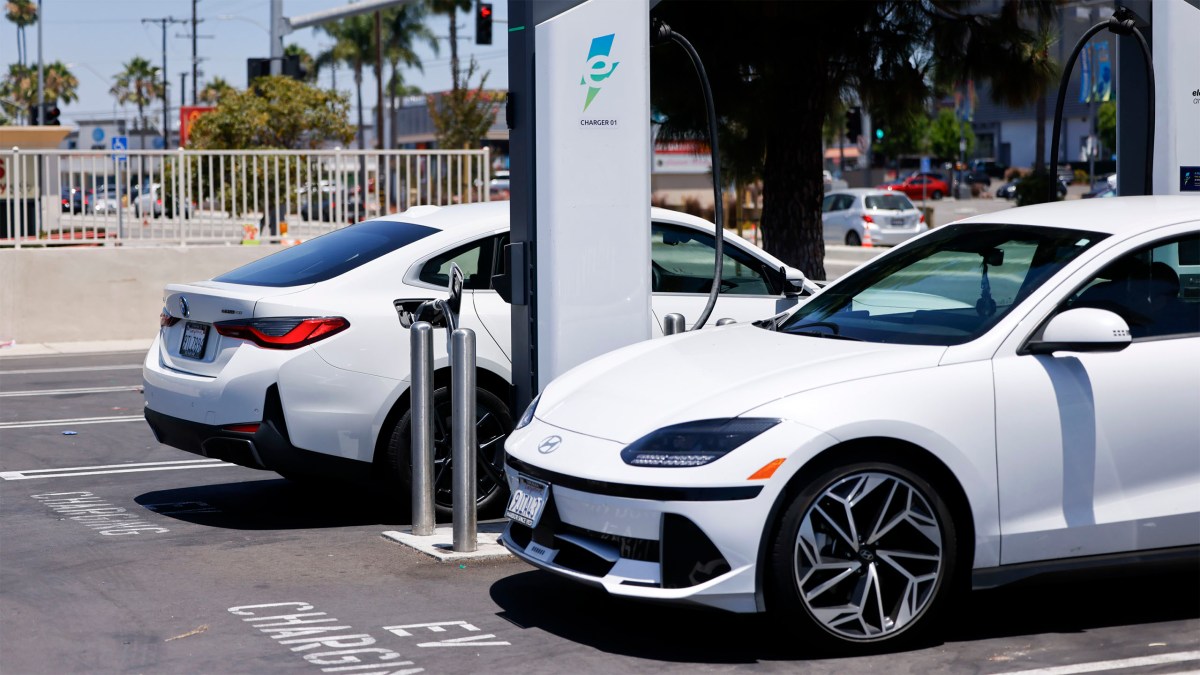
After years of explosive growth, US electric vehicle sales declined in 2025 for the first time in at least a decade. According to data from S&P Global Mobility, EV registrations fell by 0.4% compared to 2024, a stark reversal from the 11% growth recorded the previous year and the 52% surge in 2023. EV market share slipped from 8% to 7.8% of total vehicle sales, even as overall vehicle registrations across all powertrains rose 2.2%.
Federal Incentives Eliminated
The timing of the decline tells a revealing story. In the first half of 2025, before the federal EV tax credit was eliminated in September, sales were actually up 4.6% year-over-year. The removal of the incentive, which had provided up to $7,500 toward new EV purchases, dealt a significant blow to consumer demand in the second half of the year.
Rising transaction prices compounded the problem. With over 40% of new car buyers already earning more than $150,000 annually, EVs have struggled to break out of the premium buyer segment and reach mainstream consumers.
Major Players Hit Hard
The downturn hit even the industry's biggest names. Tesla registrations plunged 35% in December 2025 compared to December 2024. Rivian fared even worse, experiencing a 44% year-over-year decline through the same period and reporting a staggering $3.6 billion net loss for the year. Several automakers have begun discontinuing all-electric product lines in response to weakening demand.
The Post-Early-Adopter Chasm
Analysts point to a structural challenge beyond policy and pricing. The EV market may have entered what industry observers call the "post-early-adopter chasm," a well-documented phenomenon in technology adoption where growth stalls after initial enthusiasts have made their purchases but before mainstream buyers are ready to follow.
The combination of removed incentives, high prices, and this adoption gap creates a challenging environment for the EV industry heading into 2026. Whether automakers can bridge that gap with more affordable models and improved charging infrastructure will determine how long this downturn lasts.
This article is based on reporting by The Drive. Read the original article.
Originally published on thedrive.com