What low-profile tires actually change
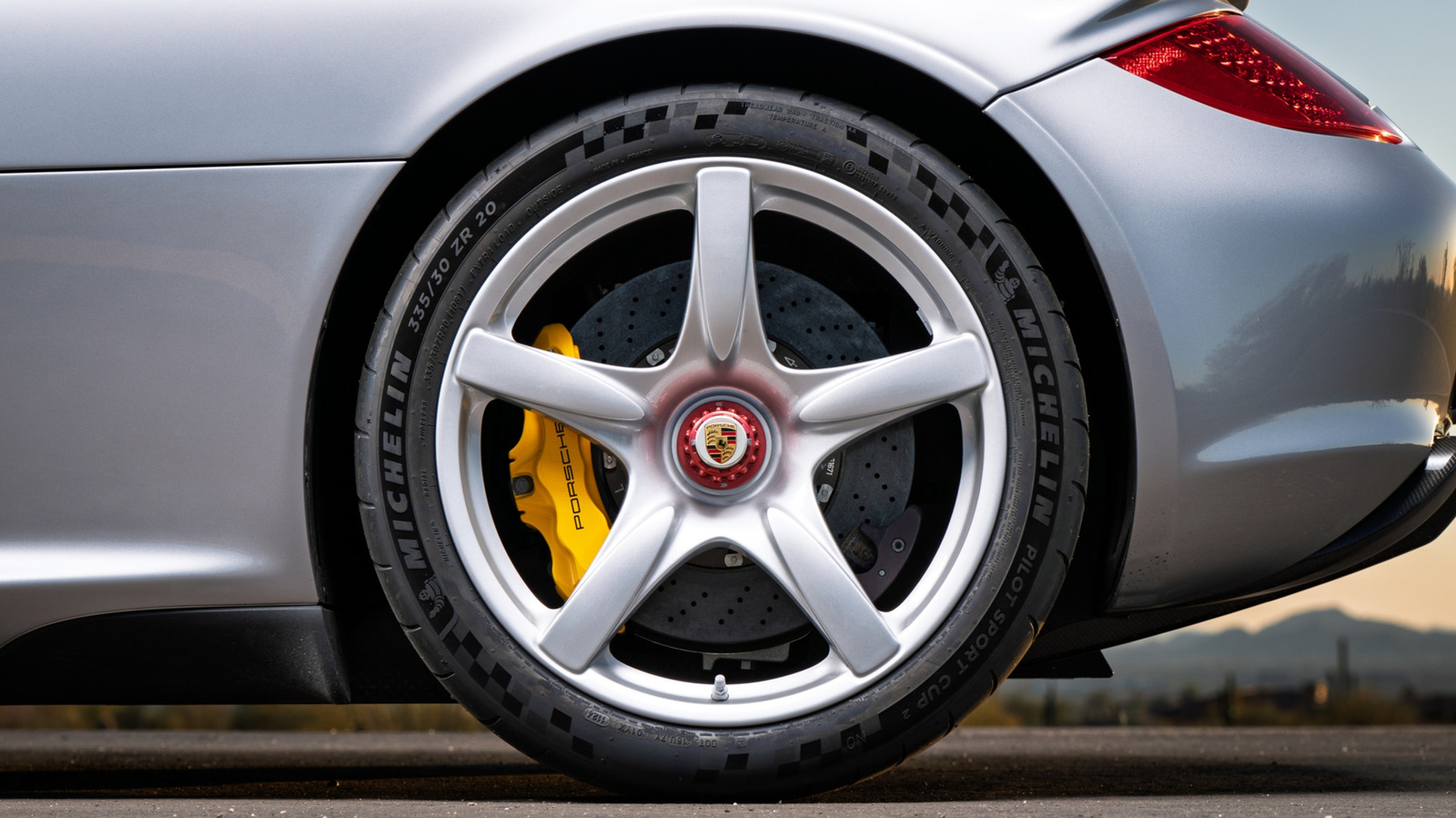
Low-profile tires are often associated with sportier handling and larger wheels, but they also bring a practical tradeoff on rough roads. The supplied Jalopnik report explains that tires with aspect ratios of 50 or less are generally considered low-profile. In a tire size such as 225/40 R18, the “40” means the sidewall height is 40 percent of the tire width. Visually, that produces the slim sidewall commonly seen on performance-oriented cars.
The central question is whether low-profile tires go flat more easily. The answer is more nuanced than a simple yes. The report states that, because of their shorter sidewall height, low-profile tires are more susceptible to damage from sharp bumps and potholes. A severe impact can cause immediate deflation or unseat the tire. It can also increase the chances of wheel damage.
That does not mean low-profile tires automatically go flat more often in every situation. Road conditions play a larger role than tire profile alone. A low-profile tire used on smooth pavement may perform as intended without unusual trouble, while the same tire on broken, pothole-heavy streets faces a greater risk of impact damage.
Why sidewall height matters
The sidewall is the rubber section between the wheel rim and the tread. A taller sidewall provides more material to absorb shocks from potholes, broken pavement, and sharp road edges. A lower sidewall gives the tire less room to deform before the force reaches the rim and tire structure.
That is the core reason low-profile tires are more vulnerable to certain types of damage. A tire with a 60-series sidewall can offer more cushioning against pothole impacts than a 40-series tire. With less sidewall, the impact has less distance to dissipate. Depending on speed, road shape, wheel size, and tire condition, the result can be a blowout, bead unseating, or wheel damage.
The report also notes that low-profile tires are not simply inferior. Their shorter sidewalls reduce sidewall flex, which can improve road feel, agility, and stability, especially in corners. A wider contact patch can also support improved traction, with effects drivers may notice in acceleration and braking.
The performance tradeoff
Low-profile tires exist because they solve real performance and design problems. They can make steering feel more direct, help a car respond more crisply, and allow owners to fit larger wheels. Larger wheels can also create clearance for bigger brakes, which may be desirable for performance-focused builds.
The tradeoff is comfort and durability on imperfect roads. The supplied report states that cars with low-profile tires generally offer a bumpier ride because there is less sidewall to absorb road shocks. They can also be noisier. Price and tread life are also identified as disadvantages, with low-profile tires typically not being cheap.
For everyday drivers, the right choice depends on road conditions and priorities. A driver who values cornering response and visual stance may accept the harsher ride and higher pothole sensitivity. A driver who regularly travels over damaged pavement may be better served by a taller sidewall that provides more impact protection.
What drivers should take away
The practical conclusion is that low-profile tires are not doomed to puncture or deflate constantly, but they leave less margin for road impacts. The risk is especially relevant in places where potholes, sharp bumps, and uneven pavement are common. In those conditions, a short sidewall gives the tire and wheel less protection.
Drivers considering low-profile tires should think beyond appearance. Wheel size, tire aspect ratio, road quality, ride comfort, replacement cost, and wheel repair risk all belong in the decision. The performance benefits are real, but so are the penalties.
The simplest way to frame the issue is this: low-profile tires are a precision choice, not a universal upgrade. They can make a car feel sharper and look more aggressive, but they demand more from the road surface and from the driver’s tolerance for harshness and expense.
This article is based on reporting by Jalopnik. Read the original article.
Originally published on jalopnik.com