GM’s electric truck roadmap appears to be stretching far into the future
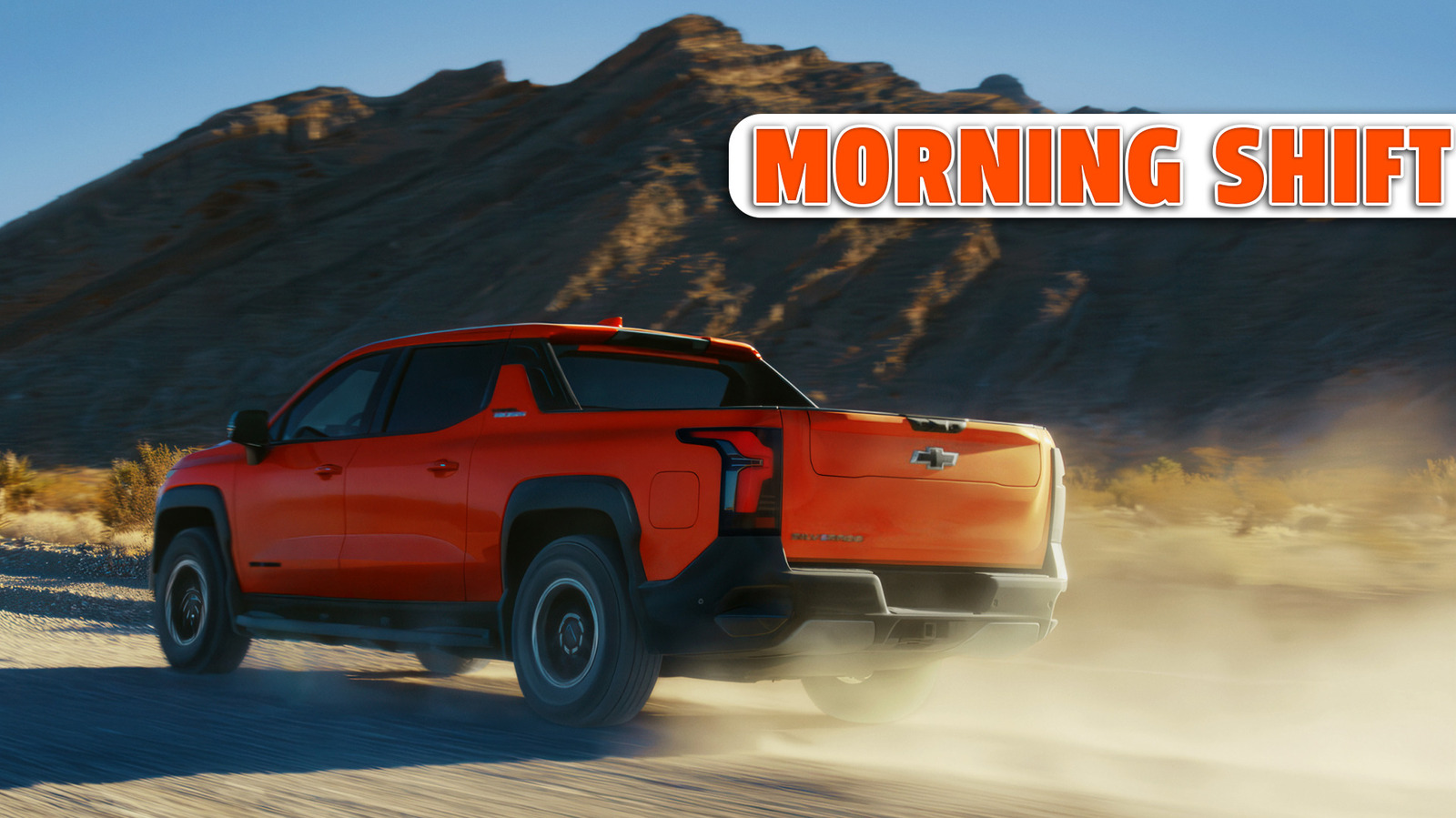
General Motors has reportedly indefinitely delayed its next-generation full-size electric truck program, a move that points to a broader retreat from the aggressive electrification posture many automakers embraced earlier in the decade. Jalopnik, citing reporting from Automotive News and Crain’s Detroit Business, says the halted program included lower-cost refreshed versions of the electric GMC Sierra, Chevrolet Silverado, Escalade IQ and Hummer SUV and pickup, with a targeted production start in 2028.
The reported decision does not eliminate GM’s current electric trucks from the market, but it changes the outlook for what comes next. Instead of a near-term transition into more affordable, updated models, the existing lineup may now remain in place without a clear successor timetable. Suppliers were reportedly told the next-generation program had been halted with no new date attached.
Why the delay matters
This is more than a product-cycle adjustment. Full-size trucks and large SUVs are among the most symbolically important and financially consequential vehicles in the US market. If an automaker slows its plans in that segment, it is often a sign that current demand, cost structure or profitability assumptions are not lining up with earlier expectations. In GM’s case, the report explicitly ties the delay to waning EV sales and a pivot back toward internal combustion and hybrid technology.
That framing captures a wider industry reality. Carmakers continue to talk about electrification as a long-term direction, but many are becoming more selective about how quickly they invest in expensive high-volume EV platforms, especially in segments where purchase prices are already elevated and consumer demand has not ramped as fast as some forecasts projected.
The truck problem is a cost problem
Big electric trucks are technically impressive, but they are also difficult products to make broadly affordable. Their size, towing expectations and range requirements generally demand large battery packs, which drive up cost and weight. That makes the case for refreshed lower-cost versions especially important. If GM is stepping back from those plans, it suggests the company may not yet see a viable path to margins and demand strong enough to justify the next major investment cycle.
Analysts and supplier executives cited by Crain’s, as relayed by Jalopnik, do not expect a new generation of GM’s electric truck line until 2030 or later. If that proves accurate, the company’s electric truck strategy shifts from an expected near-term expansion into a much longer hold pattern.
Hybrids reenter the picture
The report also says plug-in hybrid versions of the Silverado and Sierra are expected, a notable sign that GM may now view hybridization as a more practical bridge than a rapid all-EV turnover in this segment. Hybrids do not eliminate tailpipe emissions, but they can reduce fuel use while sidestepping some of the price, charging and range concerns that still weigh on buyers considering large electric trucks.
That matters because the competitive landscape is no longer defined by a simple race to battery-electric leadership. Increasingly, manufacturers are hedging. Some are adding hybrids where they once promised pure EV transitions. Others are slowing platform launches or deferring factories and model updates. GM’s reported move fits that pattern of recalibration.
What this says about the market
For consumers, the message is mixed. Current GM electric trucks remain on sale, but the idea of a steadily improving, broadening and potentially more affordable family of electric pickups now looks less certain. For suppliers, an indefinite pause complicates planning and investment. For policymakers and investors, it is another reminder that the path from EV ambition to sustained mass-market adoption remains uneven, especially in large-vehicle categories.
The shift also has symbolic weight because GM’s truck business sits at the heart of its identity in North America. If the company is effectively deciding that the next serious push on electric full-size trucks can wait, that says something important about how automakers currently read demand. It does not mean the EV truck segment is dead. It means the economics have not yet stabilized enough for one of Detroit’s biggest players to press harder right now.
In that sense, the reported delay may be less about abandoning electrification than about admitting timing risk. GM appears to be buying time, preserving optionality and leaning back toward powertrain strategies it believes customers will buy in larger numbers today. Whether that proves prudent or short-sighted will depend on how quickly battery costs, charging access and consumer confidence improve from here.
This article is based on reporting by Jalopnik. Read the original article.
Originally published on jalopnik.com