Inventory pressure is hitting Ford where it matters most
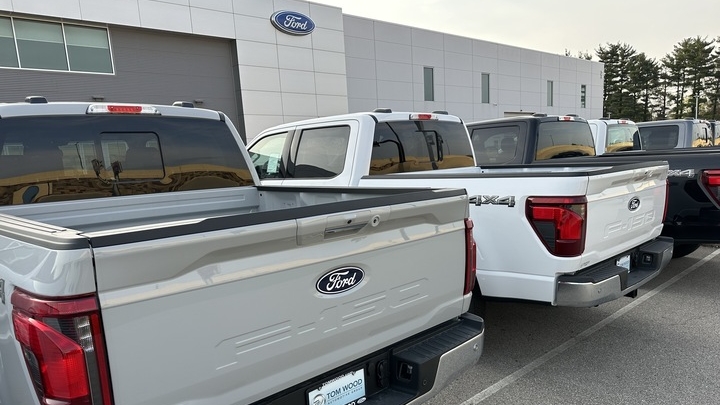
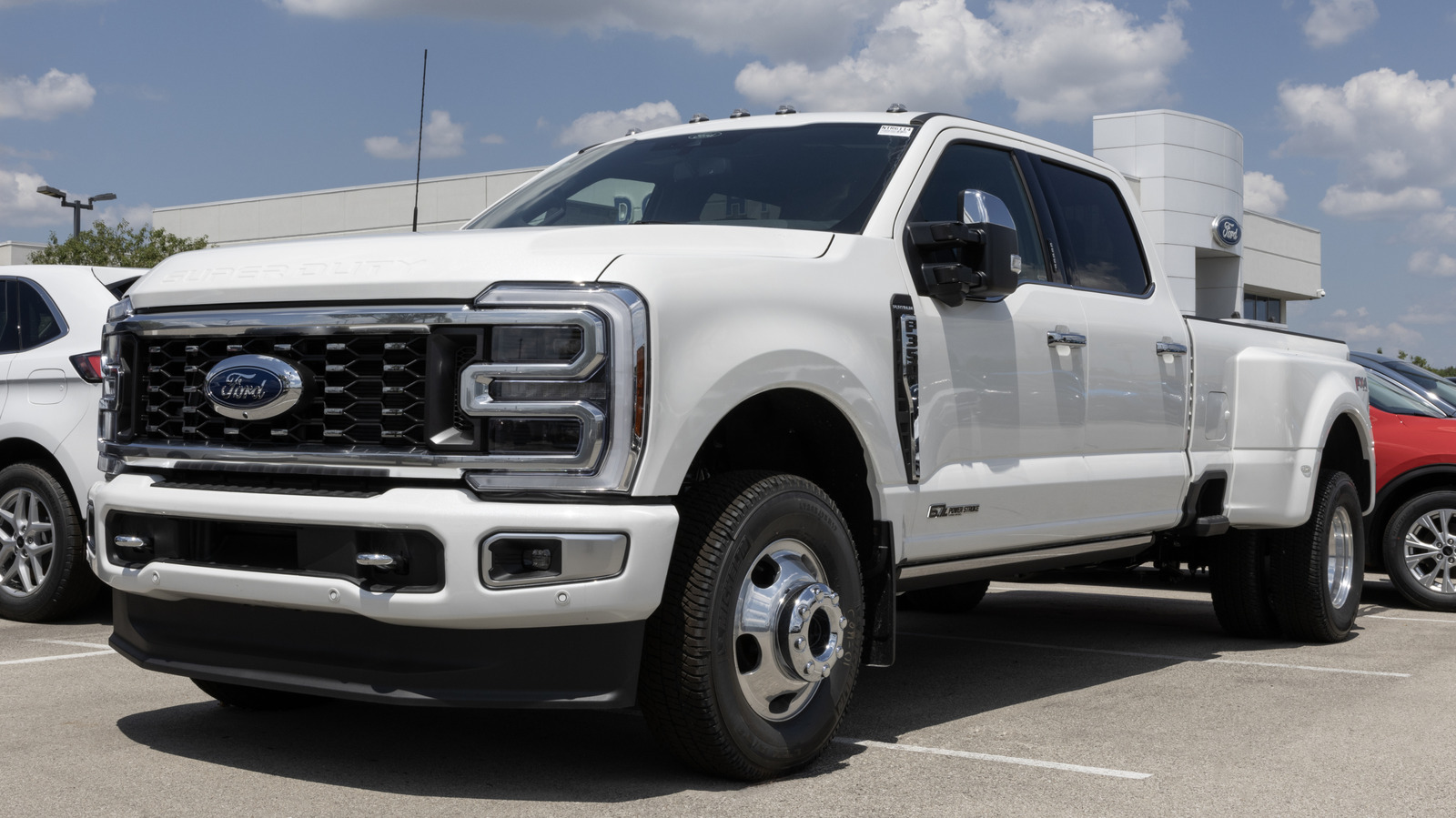
Ford is still working through the fallout from a fire-related supply disruption that has tightened availability of one of its most important products: the F-150. Automotive News reports that dealerships are running low on the truck, with one dealer saying the current shortage is the worst he has seen outside the pandemic period. For an automaker whose business is deeply tied to the F-Series, that is more than a temporary inconvenience. It is a direct hit to sales, dealer confidence, and market momentum.
The scale of the damage is already visible in Ford’s first-quarter numbers. According to Automotive News, the company’s first-quarter sales fell 8.7 percent as it dealt with tight F-Series inventory. That figure does not tell the whole story, but it makes the central point clearly enough: when supply for a flagship vehicle gets pinched, the effects move quickly from factories to lots to quarterly performance.
The F-150 is not just another nameplate
This is why the shortage matters beyond normal production noise. The F-150 sits at the core of Ford’s North American business and dealer ecosystem. When supply is healthy, it anchors showroom traffic, transaction volume, and brand visibility. When supply contracts, the consequences spread outward. Dealers lose one of their strongest traffic drivers, customers face fewer choices, and competitors can gain ground simply by having inventory available.
Automotive News frames the problem as lingering fallout from a fire tied to a critical F-150 input. That phrasing is important because it underlines how vulnerable modern vehicle production remains to concentrated supply nodes. A single disruption upstream can continue echoing months later, especially when the affected component or material is difficult to replace quickly.
The article also notes that Ford is trying to increase production and hopes to stabilize supply in the coming months. That suggests the company sees the issue as solvable, but not instantly reversible. In automotive manufacturing, recovery often takes longer than the initial shock. Ramping output requires parts availability, plant coordination, and distribution timing that all have to line up again.
The market still has not escaped its supply-chain era
There was a brief period when the industry seemed eager to treat pandemic-era shortages as an abnormal chapter that was finally closing. Stories like this complicate that narrative. The causes may differ, but the structural lesson remains the same: large vehicle programs are only as resilient as the supply chains supporting them.
The dealer quoted by Automotive News drew the comparison directly, saying he had not seen a bigger F-150 shortage outside the pandemic. That is a telling benchmark. It suggests the inventory crunch is severe enough to evoke the industry’s most disruptive recent memory, even if the trigger in this case is different.
For dealers, scarcity creates a difficult balance. Tight supply can sometimes support pricing, but that benefit fades if there are simply not enough units to meet demand or keep shoppers in the brand. Trucks are especially exposed because buyers often shop with specific use cases, configurations, and timing needs. If the right vehicle is unavailable, many will not wait indefinitely.
Production recovery is not the same as market recovery
Ford’s stated goal of stabilizing supply in the coming months is significant, but restoring production flow does not automatically restore lost momentum. Some sales are deferred, while others disappear permanently. Customers who switch brands during a shortage do not always come back. Dealers that spend months managing thin inventory may remain cautious even after conditions improve.
That is why this episode is not just about one quarter’s sales decline. It is about the fragility of volume leadership in a competitive market. Strong products and strong demand still depend on the less glamorous work of supply assurance. When a critical input is disrupted, the cost is paid not only in units lost, but in the stability of the broader commercial system around the vehicle.
The situation also highlights how central component sourcing has become to investor and industry analysis. A truck launch, a redesign, or a pricing move may dominate headlines, but supply continuity can matter just as much to actual results. The F-150 shortage is a reminder that market strength can be undermined by bottlenecks far from the consumer-facing side of the business.
Why this matters for the wider auto industry
Ford is hardly alone in facing supply volatility, and that is one reason this story matters beyond one company. The industry remains dependent on complex manufacturing networks that can be disrupted by accidents, geopolitical events, logistics problems, or raw-material constraints. When one of those disruptions hits a high-volume, high-profit vehicle line, the effect becomes visible quickly.
For rival automakers, Ford’s situation is an opening. For suppliers and planners, it is a warning. For dealers, it is another reminder that inventory strategy cannot assume smooth replenishment. And for customers, it is evidence that production shocks are still a live factor in buying decisions, even after the most acute years of supply-chain disruption appeared to fade.
A test of resilience, not just output
Ford’s near-term objective is straightforward: build more trucks and normalize supply. But the deeper challenge is resilience. Can a company protect its core product lines from concentrated upstream risk? Can it recover fast enough to avoid lasting share losses when disruptions do happen? Those questions will outlast this particular shortage.
For now, the immediate picture is clear. A fire-related disruption tied to a critical F-150 element has constrained inventory, hurt first-quarter sales, and left dealers describing the shortage in unusually stark terms. The next few months will show whether Ford can convert production recovery into commercial recovery. In the modern auto market, that is no small distinction.
This article is based on reporting by Automotive News. Read the original article.
Originally published on autonews.com