A parked car, a police incident, and no clear payout
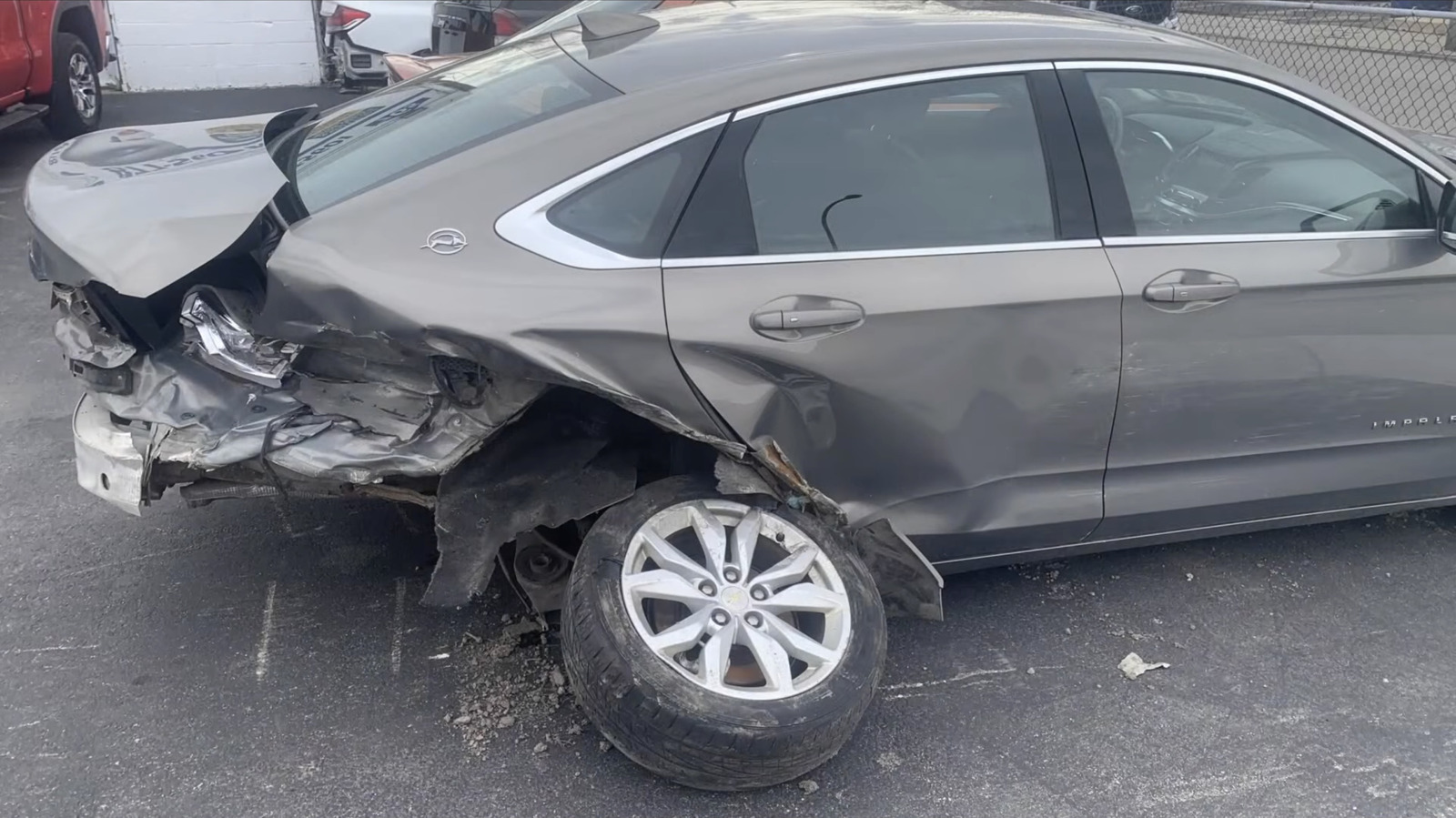
A crash in Buffalo, New York, has become a sharp example of how transportation risk can fall on people who did nothing to create it. According to the source report, Katherine Scaglione’s Chevy Impala was totaled after a suspect fleeing an armed robbery allegedly carjacked a vehicle and crashed into three unoccupied parked cars. Scaglione’s car took the worst of the impact.
The underlying incident began at a 7-Eleven on Prospect Avenue, where two Buffalo police officers reportedly walked into an armed robbery in progress. Police identified the suspect as Dejuan Williams. The report says Williams fled on foot, carjacked a passing vehicle, drove away, and later crashed into parked cars. Scaglione was not in her vehicle, and the car was not involved in the earlier crime.
The frustrating part for the owner is not only the loss of the car but the insurance gap that followed. Scaglione had liability coverage, not comprehensive or collision coverage. Because liability insurance covers damage the policyholder causes to someone else, it did not cover the damage to her own parked car. The crash was not her fault, but that did not make her policy pay for it.
The insurance problem
The case illustrates a distinction that is easy to miss until a loss happens. Liability coverage is designed around responsibility to others. If a driver causes a crash, that coverage can pay for harm caused to another person’s vehicle or property, subject to policy terms and limits. It does not generally operate as protection for the policyholder’s own vehicle when another person causes the loss.
Scaglione’s situation was especially difficult because the source report says she had bought the Impala from a family member and did not finance it. Since there was no lender requiring broader coverage, full coverage was not mandatory. The report also notes that she could not afford that broader coverage. That left her legally insured but financially exposed to a loss she did not cause.
In theory, the person who caused the damage could be pursued for compensation. In practice, that route may be difficult. The suspect in the report was already facing serious allegations, including attempted robbery, attempted murder tied to the alleged shooting of a store clerk, firing shots at police, attempted assault counts, and criminal possession of a weapon. Even if a victim has a legal claim, collecting money from an alleged offender may be uncertain or unrealistic.
Police pursuit questions are more complicated here
Police chases often raise public safety questions because high-speed pursuits can endanger bystanders. But the source report makes a distinction in this incident: Williams was not being pursued by police at the moment of the crash. Officers had chased him on foot, but he had outrun them, and other officers had not yet taken over the pursuit.
That distinction matters when assigning responsibility. The report does not frame this as a police vehicle chase that directly pushed a suspect into a crash. Instead, the damage followed an alleged carjacking and crash after the suspect fled the original robbery scene. The report also notes that even a proposed New York ban on many police pursuits would include an exception where a driver’s conduct threatens immediate, severe bodily harm or death to bystanders, officers, or the driver.
That does not make the outcome any easier for the vehicle owner. It simply narrows the likely avenues for recovery. The police did not hit the car. The owner’s liability-only policy did not cover the car. The alleged offender may not be a practical source of payment. The result is a transportation loss that lands on an uninvolved person.
A broader lesson for vehicle owners
The case is a reminder that being not at fault is different from being insured against a loss. Drivers often think about coverage in terms of legal compliance: whether they have enough insurance to register and operate a car. But the coverage that satisfies legal requirements may not protect the value of the car itself.
For older vehicles, owners frequently decide that collision or comprehensive coverage is not worth the premium. That can be a rational choice, especially when household budgets are tight. But it means the owner is effectively self-insuring against damage to the vehicle unless another insurer or legally responsible party pays. If that other party is uninsured, unknown, insolvent, or accused of a crime, the path to recovery can be thin.
Scaglione’s story also shows why parked vehicles are not risk-free. Street parking can expose a car to hit-and-run crashes, theft-related damage, weather, and incidents that have nothing to do with the owner’s driving. Avoiding all of those risks is often impossible, especially in dense neighborhoods where off-street parking is limited.
What the incident reveals
- A Buffalo woman’s parked Chevy Impala was totaled after an alleged armed robbery, carjacking, and crash.
- The owner had liability-only coverage, which did not cover damage to her own vehicle.
- The suspect faces multiple serious charges, according to the source report.
- The report says police were not actively pursuing the car at the moment of the crash.
The story is not a technology launch or a new transportation policy, but it is a meaningful transportation systems story: the financial architecture around everyday mobility can fail people who are harmed through no fault of their own. A vehicle can be essential infrastructure for a household, and when it is destroyed, the difference between liability-only and broader coverage can determine whether the owner has a realistic route back to mobility.
This article is based on reporting by Jalopnik. Read the original article.
Originally published on jalopnik.com