The old retail model that never really went away
Buying a new car in the United States remains a strikingly cumbersome process in an era when consumers can buy nearly everything else online. According to the supplied report, that friction is not accidental. It is built into a dealer system that relies on negotiation, complex paperwork, and legal insulation from direct competition.
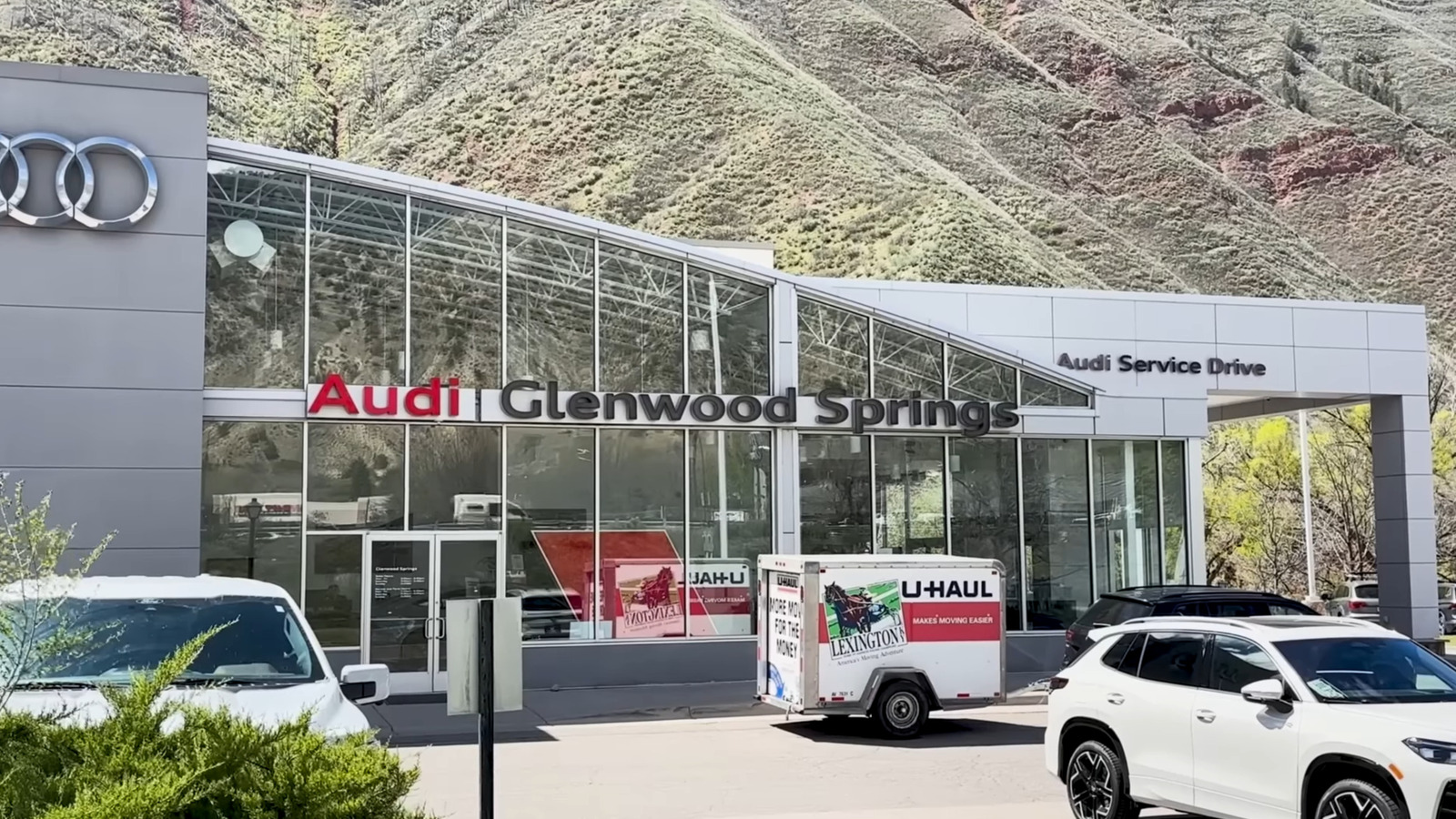
The article’s central argument is blunt, but the supporting facts are clear enough on their own. U.S. dealerships are generally not owned by automakers. They are controlled by dealer groups, and the sector has become increasingly concentrated.
The report says the top four dealership groups, Lithia Motors, AutoNation, Penske Automotive Group, and Group 1 Automotive, account for around 2.3 million new vehicle sales and 1.05 million used vehicle sales each year.
Why buyers still cannot simply order most cars online
One of the most important claims in the piece is that, outside a small number of EV-only companies such as Tesla, Lucid, and Rivian, consumers generally cannot buy a car directly online because doing so is illegal. That legal structure preserves the role of franchised dealers even as digital commerce has transformed other categories.
The result is a market where convenience does not flow naturally from technology. It is constrained by regulation and by an entrenched retail model that benefits from keeping itself indispensable.
Dealers also do not need to make all of their money on the price of the car itself. The source notes that earnings can be extracted on the back end, a reference to the financing, add-ons, and other deal components that often shape the total cost more than the headline sticker price.
Consolidation changes the politics, not the experience
The dealership system is often described as local, but the article argues that reality has shifted. Many stores are now part of large national networks rather than small family-run operations. That means an institution once defended as community-rooted is increasingly corporate in structure while still benefiting from laws that limit direct competition.
For consumers, consolidation has not simplified the transaction. The hours-long negotiation process, intentionally confusing paperwork, and opaque pricing described in the source remain familiar complaints. Large ownership groups can standardize practices, but that does not necessarily mean they standardize fairness or transparency.
A system under pressure, but still intact
The growing contrast between car buying and other online retail experiences is making the dealer model harder to defend on consumer grounds. Yet legal protections remain strong, and most automakers still operate within the franchise structure.
That tension explains why the system is so often criticized but so rarely transformed. It sits at the intersection of state law, entrenched business interests, and an unusually high-value consumer purchase where buyers have limited alternatives.
The takeaway is not that every dealership is abusive or that direct sales would solve every problem. It is that the current American model continues to impose transaction costs that many other sectors have already designed away. As long as law keeps most buyers inside that model, dissatisfaction will remain a structural feature rather than an occasional complaint.
This article is based on reporting by Jalopnik. Read the original article.
Originally published on jalopnik.com