Dealer sentiment softened in the first quarter
US auto retailers entered 2026 on shakier footing than they finished 2025. According to Automotive News, leaders of franchised dealership groups reported a slight decline in industry confidence in the first quarter, citing a mix of geopolitical risk, fuel-price pressure, and ongoing inventory concerns.
The change is notable not because sentiment collapsed, but because the list of worries now spans both macroeconomics and showroom-level realities. Dealers are looking at an environment where global conflict could push up consumer costs, affordability remains sensitive, and the supply side still does not fully support the mix of vehicles many buyers can comfortably finance.
That combination matters. Dealership confidence is often a useful proxy for how conditions are felt at the retail edge of the auto business, where interest rates, monthly payment levels, vehicle availability, and consumer psychology meet in real time.
Why Iran and gas prices are in the mix
Automotive News says dealer leaders pointed specifically to the Iran war and gasoline prices as reasons for a weaker outlook. Those factors can influence the market quickly. Higher fuel prices can shift buyer interest across vehicle segments, alter trade-in timing, and add pressure to household budgets already strained by borrowing costs and general inflation.
For retailers, that uncertainty complicates planning. Vehicle mixes that looked attractive under one fuel-price assumption can become harder to move if operating costs jump. Marketing messages may need to change. Used-vehicle demand can shift. So can appetite for larger vehicles with higher fuel consumption.
Even when fuel spikes are temporary, dealers have to react immediately because buyers do.

Affordability remains the core retail issue
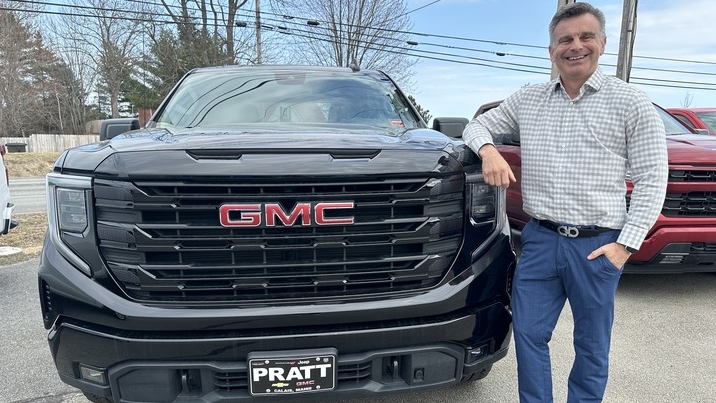
The strongest signal in the source text may be the most familiar one: affordable monthly payments remain central to dealer confidence. Ian Pratt, owner of Pratt Auto Group in Maine, told Automotive News that payment affordability is crucial to improving his confidence in the industry.
That line captures a persistent constraint in the post-shortage auto market. Inventory levels may recover in some segments, but if buyers cannot absorb the payment, availability alone does not solve the problem. Dealers can stock vehicles and still struggle to convert interest into sales if pricing, rates, and incentives do not line up with what consumers can carry each month.
This is one reason confidence can weaken even when the market is not in obvious crisis. The friction is often not whether vehicles exist. It is whether the available inventory matches financially realistic demand.
Inventory is back, but not necessarily in the right form
The source text refers broadly to inventory concerns, which likely reflects a continuing tension in the retail market: more product does not automatically mean better retail conditions. Dealers need the right models, trims, and price points, not just higher unit counts.
If fuel prices rise, that mismatch can become sharper. Vehicles that were already difficult to move on payment may become even less attractive if consumers also expect higher ownership costs. Meanwhile, lower-cost or more fuel-efficient options may tighten faster.
From a dealer perspective, inventory health is therefore not just a supply metric. It is a balance between what manufacturers ship and what local consumers can actually absorb under current financing conditions.
A retail-level warning for the broader industry
The first-quarter dip in the confidence index is not, on its own, evidence of a downturn. But it does indicate that retailers are reading the environment cautiously. That matters for automakers and lenders because dealers are often first to notice subtle deterioration in foot traffic quality, financing tolerance, and inventory fit.
If geopolitical instability keeps fuel prices elevated, or if affordability worsens further, that caution could deepen. The US auto market has repeatedly shown that demand can be surprisingly resilient, but it is also highly payment-sensitive. When monthly costs become the central barrier, even motivated buyers delay or trade down.
For manufacturers, the implication is familiar but still unresolved: retail strength depends less on headline production recovery than on delivering vehicles people can reasonably finance and operate. For lenders, it reinforces the importance of credit conditions and rate pressure. For dealers, it means tactical flexibility will remain essential.
What to watch next
- Whether gasoline prices remain elevated long enough to materially shift segment demand.
- How automakers adjust incentives and production mixes if affordability pressure persists.
- Whether dealer confidence continues to decline in the second quarter or stabilizes.
- How inventory composition, not just volume, affects retail performance over the rest of 2026.
The first-quarter message from dealers is restrained but clear: the retail market is still functioning, but confidence is being tested by forces well beyond the showroom. In 2026, affordability and external shocks remain tightly linked.
This article is based on reporting by Automotive News. Read the original article.
Originally published on autonews.com