A tariff threat puts the auto relationship back under strain
Germany is warning of major economic costs after President Donald Trump threatened to raise the U.S. tariff rate on vehicles from the European Union to 25 percent. Even in the limited details available so far, the significance is clear: this is not a routine trade dispute but a renewed threat aimed at one of the most important industrial links between the United States and Europe.
Automotive News framed the move as a threat to billions in transatlantic auto trade and said it would reverse progress made under last year’s U.S.-EU framework. That alone is enough to place the issue near the top of the transportation agenda. Vehicle trade between the two sides is too large and too integrated for a tariff move of this scale to be treated as symbolic.
Why Germany is reacting so strongly
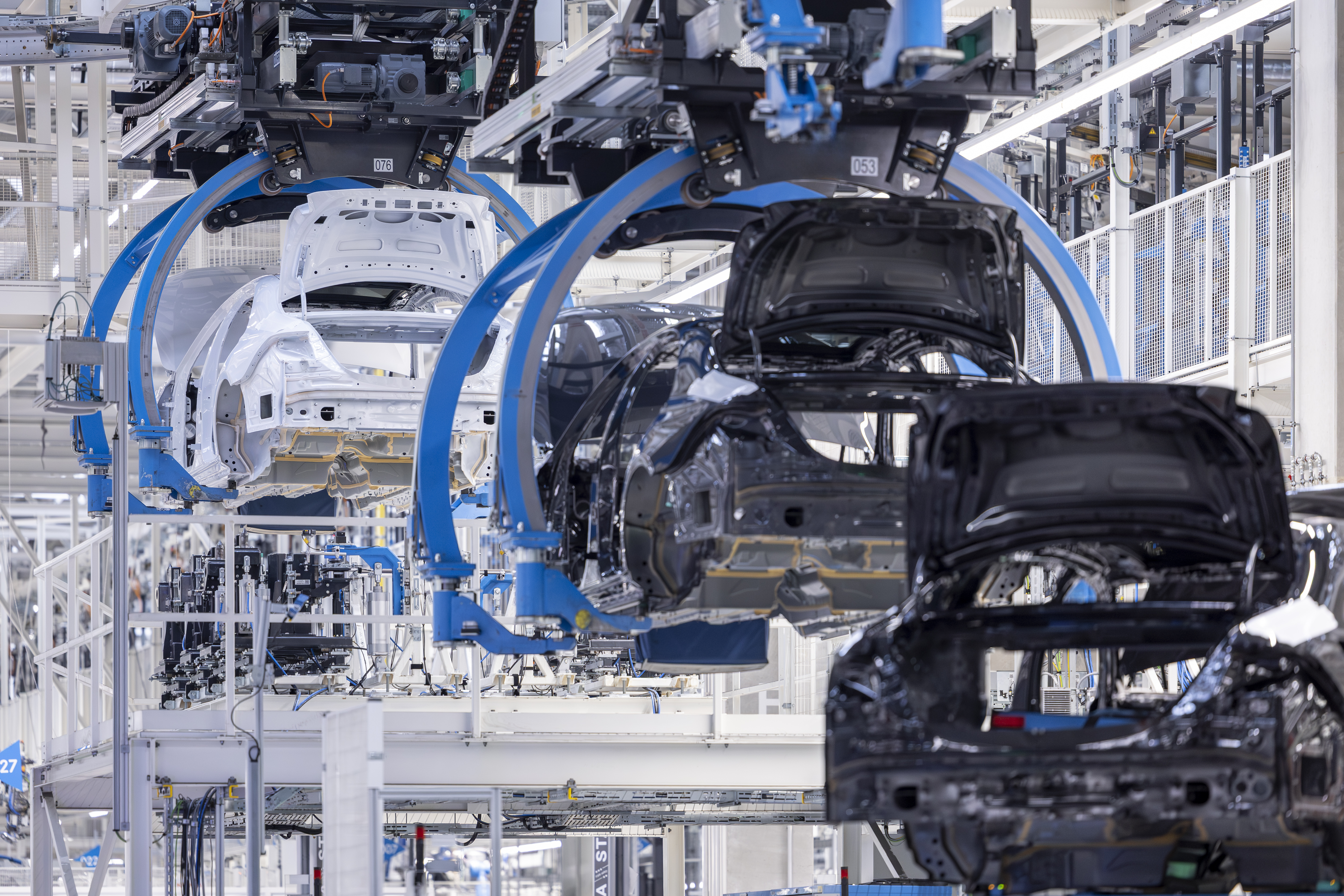
Germany’s response reflects more than national irritation. It reflects the central role its automakers and suppliers play in exports to the United States. The Automotive News item specifically referenced Mercedes-Benz S-Class production in Sindelfingen and noted that exports of the model to the U.S. face high tariffs under the threatened change. That image works as a useful proxy for the broader concern: premium vehicles, high-value exports, and production systems that depend on relatively predictable market access.
When officials warn of “huge costs,” they are signaling that the damage would not stop with sticker prices at dealerships. Tariff escalation can pressure margins, alter sourcing decisions, disrupt planning, and force companies to reconsider which models they send to which markets. The threat alone can have consequences if manufacturers start adjusting assumptions before any formal change takes effect.

The timing matters
The tariff warning arrives at a sensitive moment for the auto industry. Automotive News also highlighted that several major brands including Toyota, Honda, Hyundai, Kia, Subaru, and Mazda saw U.S. sales declines as the market settled after a pre-tariff boost. That context suggests the industry is already navigating demand shifts and policy uncertainty. A new jump in tariffs on EU vehicles would add another layer of volatility at a time when manufacturers, dealers, and buyers are already responding to changing trade expectations.
This matters because the modern auto market is built on long planning cycles and tight coordination across manufacturing, shipping, retail, and financing. Sudden tariff changes do not only affect imported finished vehicles. They can affect inventory strategy, pricing discipline, consumer timing, and the competitive balance among brands that build in different regions.
Progress made, progress threatened
The most notable line in the available reporting may be the suggestion that the proposed increase would reverse progress made under the previous U.S.-EU framework. That indicates the latest threat is not emerging from a vacuum. It follows a period in which the two sides had at least partially stabilized the trade relationship. If that progress is now in jeopardy, the dispute could become more disruptive because it upends expectations that the direction of travel was toward accommodation rather than escalation.
For automakers, stable rules are often nearly as valuable as favorable ones. Companies can adapt to difficult conditions if those conditions remain consistent. The harder environment is one in which trade policy can swing sharply, leaving product planning and market strategy exposed to political shifts. A threatened move to 25 percent on EU vehicles points squarely at that kind of instability.

What this could mean for the sector
With the currently supplied information, it is too early to make precise claims about implementation timelines or model-by-model impact. But the likely pressure points are easy to identify from the source material. European-branded vehicles exported to the United States would face a more hostile cost structure. Dealers could be forced to adjust pricing or inventory expectations. Manufacturers might reassess product flows, production priorities, or investment assumptions tied to access to the U.S. market.
The politics of the move are also inseparable from its commercial effect. A tariff threat of this sort functions as both an economic measure and a negotiating tool. That leaves companies in the uncomfortable position of planning for a policy that may be intended partly as leverage. They cannot ignore it, but they also cannot know with certainty whether it will remain a threat, become a bargaining chip, or turn into a formal trade barrier.
An industry that runs on confidence
The transportation sector depends heavily on confidence: confidence in supply chains, regulatory conditions, financing, and consumer demand. Threatened tariffs undermine that confidence because they inject uncertainty before any official action is even completed. That is one reason Germany’s warning matters. It recognizes that the cost of trade conflict is not measured only after tariffs are collected. Some of the cost is paid in hesitation, delayed decisions, and defensive planning the moment companies take the threat seriously.
From the information available now, the headline issue is straightforward. Trump has threatened to raise the U.S. tariff rate on EU vehicles to 25 percent. Germany says the costs would be huge. For a transatlantic auto relationship already shaped by policy tension, that combination is enough to put the industry on alert.
This article is based on reporting by Automotive News. Read the original article.
Originally published on autonews.com