China’s EV race is now a software race as much as a manufacturing race
European automakers are confronting a sharper competitive challenge in China: not simply lower-cost electric vehicles, but faster-moving software-defined vehicles shaped around local expectations. According to Automotive News, Chinese automakers are advancing at unusual speed in software, forcing European brands to rethink how they design, localize, and update vehicles for the world’s largest auto market.
The article describes a three-part response strategy from European manufacturers. At its core is the recognition that competing in China increasingly requires more than exporting global models with minor regional tweaks. Carmakers need local electronic architectures, products tailored to Chinese consumer preferences, and development cycles that move far faster than legacy manufacturers have traditionally managed.
Why software-defined vehicles are shifting the balance
The importance of software-defined vehicles lies in how much of the customer experience now depends on digital systems rather than purely mechanical engineering. Infotainment behavior, driver-assistance integration, over-the-air updates, user interface design, and digital ecosystems can influence buying decisions as strongly as horsepower or body style. If one market evolves faster in those areas, companies optimized for slower global platforms can lose ground quickly.
That appears to be the pressure now bearing down on European brands in China. The source notes that Chinese automakers are developing these capabilities at unprecedented speed. In practical terms, that speed advantage can compress the time available for foreign competitors to study market trends, adapt product plans, and push changes through traditional validation and approval structures.
Localization is becoming structural, not cosmetic
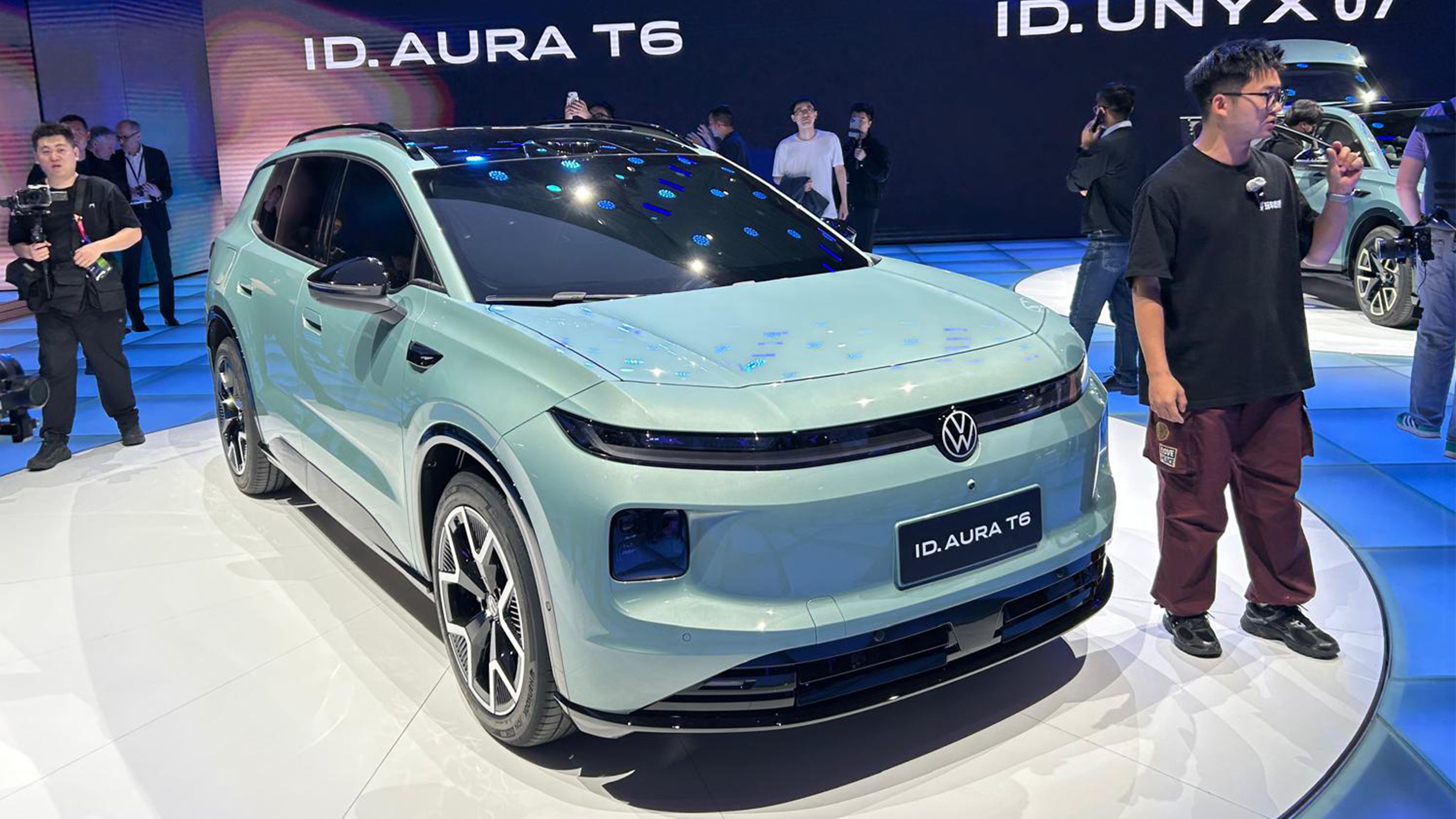
The example cited in the article is the VW ID Aura T6, described as the first model from FAW-Volkswagen’s Aura family and built on a locally developed China Electronic Architecture. That detail is telling. It suggests localization is moving beneath the surface level of trim, branding, or feature packaging and into the underlying technical stack of the vehicle itself.
For European automakers, that kind of shift carries organizational consequences. It can require stronger local engineering autonomy, tighter collaboration with domestic partners, and a greater willingness to let China-specific platforms diverge from global product roadmaps. In other words, adaptation is no longer just about selling in China. It is about building for China with systems designed around China’s pace.
Faster cycles may be the hardest adjustment
Of the three responses described, accelerating development cycles may be the most difficult. Established automakers are built around long planning horizons, layered approvals, and extensive global coordination. Those structures support quality and scale, but they can also make rapid iteration hard. Chinese competitors that move faster in software can shape consumer expectations before slower rivals finish their response.
That matters because the market is not standing still. Once buyers begin to expect certain digital features, interface behaviors, or update rhythms, lagging products can feel old even when their hardware is new. European brands therefore face a dual challenge: preserve the quality and brand strengths that made them competitive while cutting the time it takes to deliver software-led improvements.
The broader implication for the global auto industry
What happens in China rarely stays confined to China in the auto sector. If software-defined development becomes a decisive competitive variable there, it is likely to influence global product strategies elsewhere. Carmakers that learn to localize architectures, shorten cycles, and organize around digital differentiation in China may carry those practices into other regions. Those that cannot may find themselves defending older ways of building cars in a market that increasingly rewards faster digital execution.
The article’s core message is that Europe’s response is already underway. The open question is whether adaptation can happen fast enough. The competitive gap is not only about technology ownership. It is about how quickly companies can convert strategy into product, and how much of their traditional operating model they are willing to rework to keep up.
This article is based on reporting by Automotive News. Read the original article.
Originally published on autonews.com