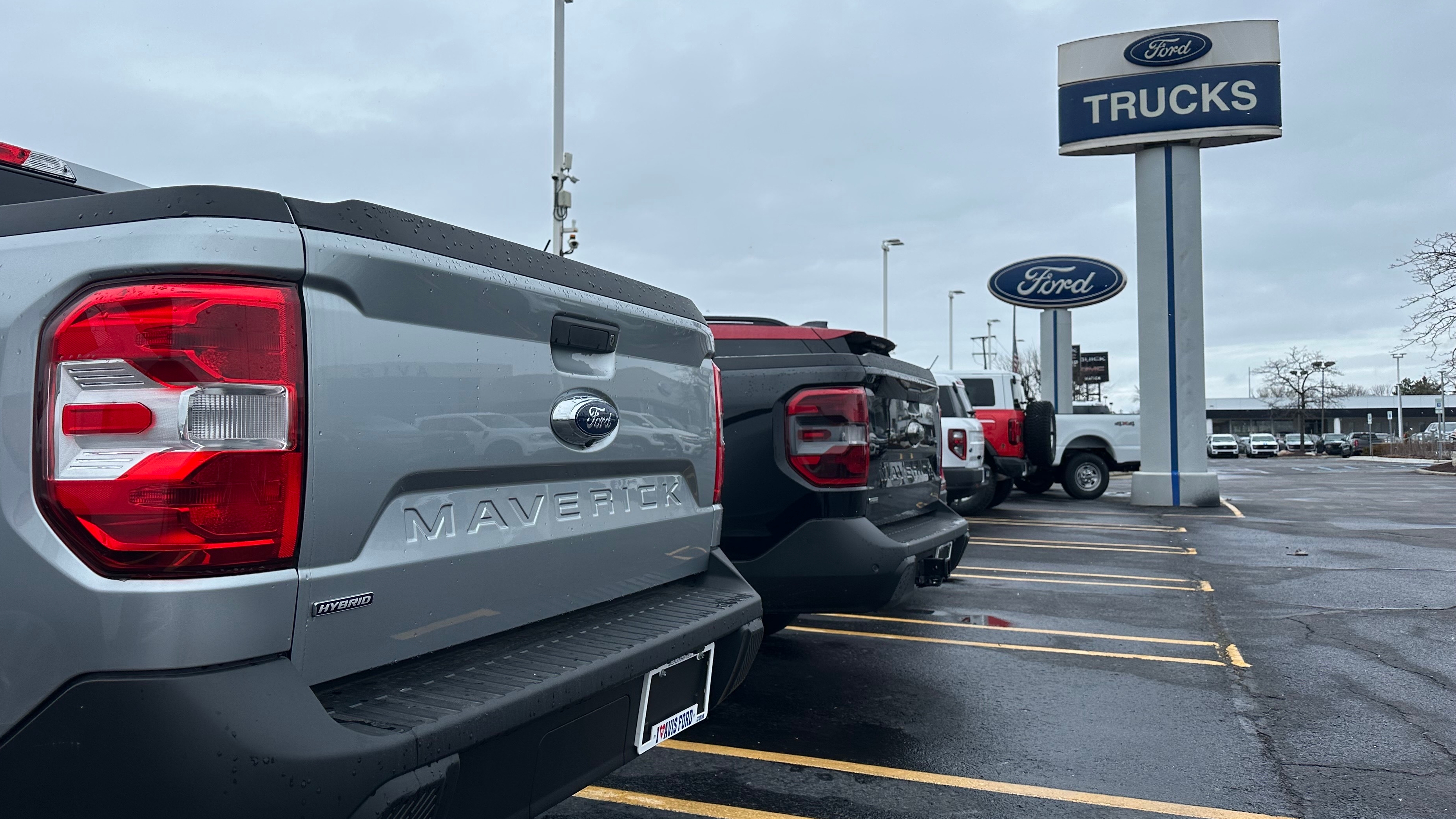
Ford reaches for a familiar pricing lever
Ford is bringing back employee pricing for all customers through July, reviving one of the auto industry’s most recognizable retail tactics at a moment when affordability remains a central pressure point for U.S. car buyers. The move, highlighted in Automotive News coverage of the market’s latest developments, comes as the industry works through a complicated mix of tariff anxiety, uneven consumer demand, and a sales environment that appears to be settling after an earlier pre-tariff rush.
On its face, employee pricing is a simple message: buyers are told they can access the kind of pricing ordinarily associated with company insiders. But the significance of the program goes beyond marketing. Bringing it back suggests Ford sees price sensitivity as acute enough that a broad-based retail incentive is worth deploying across its lineup in order to sustain showroom traffic through the summer.
Why employee pricing matters again
The appeal of employee pricing has always been its clarity. Unlike some incentive structures that depend on financing assumptions, regional rebates, or opaque dealer-level math, employee pricing is legible to consumers. It signals that the automaker wants to lower the effective barrier to purchase without forcing shoppers to decipher a stack of temporary offers.
That matters in a market where many households still see new vehicles as expensive, even when interest in buying remains intact. Automotive News also pointed to used vehicles as a critical part of the affordability equation, noting that large public dealership groups are leaning on used-car volume and profit strategies as a response to the affordability crisis. That wider context helps explain why Ford would choose a blunt and broadly understandable pricing tool right now.
It also suggests this is not just a short-term promotional flourish. It is part of a larger industry attempt to keep demand moving in a market where sticker shock remains a daily obstacle.
The tariff backdrop is shaping decision-making
The timing is important. The Automotive News item places Ford’s move alongside broader discussion of tariffs and the effect of tariff refunds on earnings. It also cites fresh pressure from Washington, including a report that President Donald Trump said the United States would raise the tariff rate on EU vehicles to 25 percent.
Even with limited details in the source material, the direction is clear: trade policy is once again a direct operating factor for automakers. Tariffs can alter pricing, sourcing, margins, and competitive positioning, especially when companies are already navigating volatile consumer demand. For consumers, tariff headlines can produce a preemptive buying response, as shoppers try to get ahead of expected price increases. For automakers, they can distort normal sales pacing and complicate inventory planning.
That is likely part of the reason the market now appears to be resettling from a pre-tariff boost. Surges driven by anticipated price hikes are useful in the short term, but they are rarely durable. Once that wave passes, companies are left managing the aftereffects: softer comparisons, possible incentive pressure, and the need to keep traffic up without surrendering too much margin.
A market pulled between demand and affordability
Ford’s decision is best understood as a response to a market caught between two truths. First, people still need and want vehicles. Second, many do not like the price environment they are seeing. That tension has been visible across the industry for several years, but it becomes sharper whenever trade policy, financing costs, or model mix shifts push transaction prices higher.
Employee pricing is one answer because it reframes the transaction around access and value. For Ford, it may also serve another purpose: keeping its brand visible and competitive in a crowded field where promotions often determine who captures a buyer actively comparing several options.
The program could also help dealers by creating a cleaner, more urgent sales message. A time-limited offer running through July gives the network a straightforward way to bring customers in, and it may help convert buyers who have delayed purchases while waiting for better terms.
Signals beyond Ford
One automaker’s pricing program does not define the whole market, but it can reveal how executives are reading the environment. Ford’s return to employee pricing suggests management sees conditions where demand support is justified and where price messaging matters more than usual.
It also highlights how quickly the auto business can swing between macro-level forces and ground-level retail action. Tariffs, earnings effects, and policy statements may dominate headlines, but the market is ultimately fought dealership by dealership and transaction by transaction. A program like this is where those broader pressures become tangible.
The broader industry signals in the same report reinforce that interpretation. Used vehicles are increasingly important because they address affordability. Some brands have seen sales decline again as the market settles. Cybersecurity risks tied to dealership AI tools are drawing attention. In other words, the modern auto market is being shaped by policy, software, incentives, and consumer budgets all at once.
What to watch next
The immediate question is whether Ford’s employee pricing campaign produces sustained retail momentum or simply pulls demand forward. If shoppers interpret it as a meaningful value window, the move could support sales through midsummer. If competing brands answer with their own aggressive pricing, it may become one more sign that the industry remains locked in an affordability contest.
The larger issue is that pricing pressure is unlikely to fade quickly. As long as tariffs remain a live policy tool and affordability stays constrained, automakers will keep reaching for levers that simplify the pitch and lower the perceived pain of buying. Ford’s latest move fits that pattern precisely: a familiar tactic, redeployed in a market that once again needs one.
This article is based on reporting by Automotive News. Read the original article.
Originally published on autonews.com