Executive Order Rescinds Decades-Old Restrictions
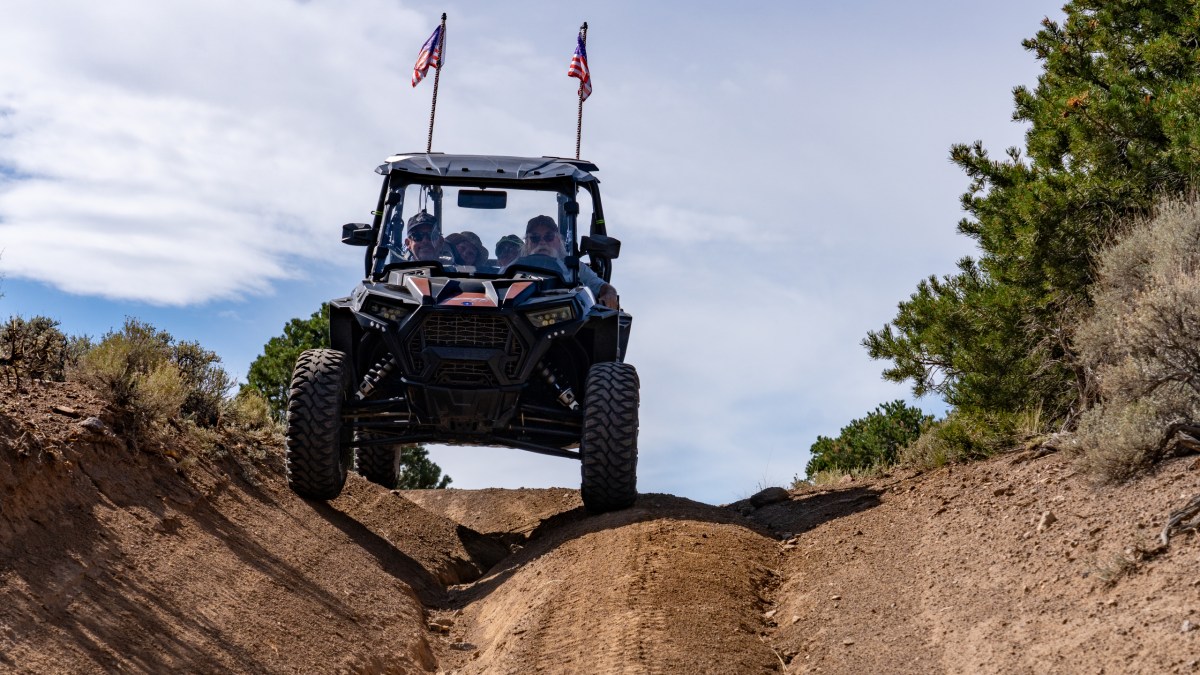
At the end of May, President Trump rescinded two executive orders that had governed off-road vehicle (ORV) use on public lands since the 1970s. The move has sparked debate among off-road enthusiasts, conservationists, and land managers. While the immediate impact is limited, the long-term implications could open millions of acres to motorized recreation.
What Were the Rescinded Orders?
Executive Order 11644, signed by President Nixon in 1972, established a unified federal policy for ORV use on public lands. It defined ORVs and set guidelines for where they could operate. Executive Order 11989, signed by President Carter, gave federal agency heads authority to close areas to ORVs if they caused adverse effects on soil, vegetation, wildlife, or cultural resources.
Why Were They Overturned?
The administration argued that these orders were redundant with existing federal laws and created unnecessary barriers to recreational and industrial use of public lands. By rescinding them, the administration aims to reduce regulatory burdens and expand access for off-road vehicles.
What Will Change?
In the short term, not much. ORVs will still be restricted to designated trails and recreation areas. However, the U.S. Forest Service is expected to open up more roads and areas to motorized use. The definition of ORV remains unchanged, and environmental protections under other laws still apply.

Impact on Off-Road Enthusiasts
For 4x4 and ATV riders, this is a win. More trails and areas will likely be designated for off-roading, reducing conflicts with hikers and conservationists. However, it's not a free-for-all; users must still follow land-use plans and stay on designated routes.
Conservation Concerns
Environmental groups worry that expanded ORV access could damage sensitive habitats, increase erosion, and disturb wildlife. Without the executive orders, agencies have less explicit authority to close areas quickly, though they can still use other legal tools.

What's Next?
The Forest Service and Bureau of Land Management are expected to revise travel management plans to include more ORV routes. Public comment periods and environmental reviews will still be required. The changes will be gradual, but the direction is clear: more public land open to off-road vehicles.
This article is based on reporting by The Drive. Read the original article.
Originally published on thedrive.com