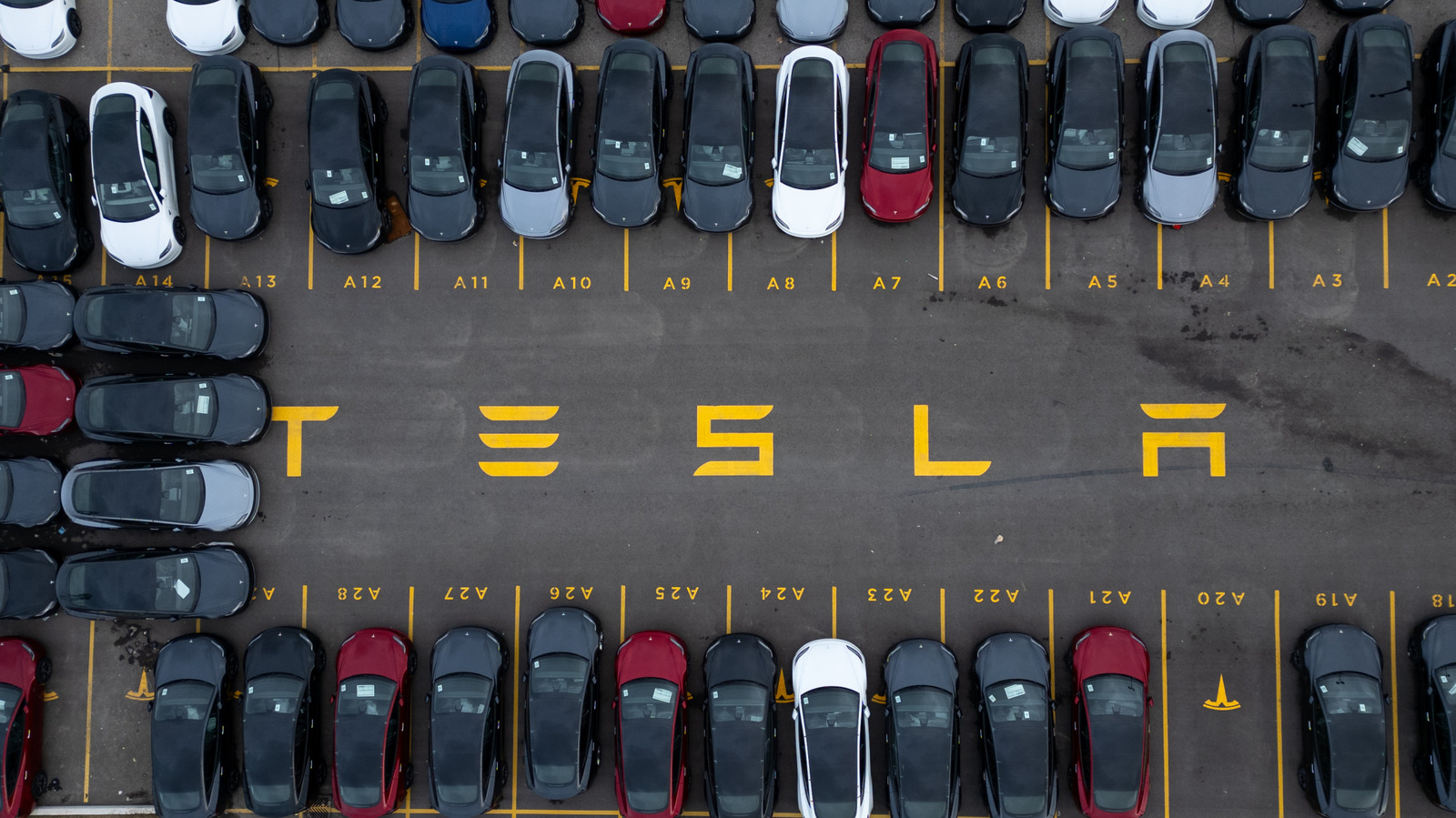
Tesla’s contract fine print can reshape how safety disputes are resolved
Tesla owners bringing claims connected to crashes, vehicle damage, or other consumer disputes may find that their cases do not begin in a public courtroom. The key issue is mandatory arbitration language in Tesla agreements, which can require an owner to pursue a private, individual dispute process instead of a jury trial or class action.
According to reporting cited by Jalopnik, Tesla has repeatedly resolved consumer cases through settlements and arbitration. The report says the San Francisco Chronicle identified 920 Tesla consumer cases settled over the past decade, a figure described as twice the total for the other nine automakers in the top 10 combined. The underlying reporting also found that Tesla avoided 12 attempted class actions through its arbitration clause.
Arbitration is not a finding that a company did or did not cause a particular crash or defect. It is a process choice set by contract. But for owners, lawyers, regulators, and the public, the choice can materially affect what becomes visible. Court cases generally create public filings and can allow broader discovery. Arbitration proceedings are typically private and are often handled one claimant at a time.
Why individual arbitration changes the stakes
A class action allows people who allege a common harm to pursue a claim together. Tesla’s arbitration terms, as described in the report, prevent owners from bringing class-action cases and instead direct unresolved disputes to arbitration after 60 days.
That requirement can change the economics of a case. A dispute involving a single owner may be less practical to litigate than one involving a large group, even if the alleged issue is similar across many vehicles. The report describes an example in which lawyers initially brought a case involving 12 people, only for the contractual terms to split it into 12 separate arbitrations.
The difference is also important for information gathering. Jalopnik reports that in arbitration Tesla was not required to provide discovery evidence, particularly where it regarded data as proprietary. That does not establish that Tesla withheld evidence improperly; it illustrates how a private contractual forum can produce a different evidentiary path from a public lawsuit.
A public record may never develop
When an individual claim settles or is resolved in private arbitration, the allegations, evidence, and outcome may not become part of an accessible court record. That can make it harder for other consumers to compare experiences or for outside observers to understand patterns across cases.
The report notes that Tesla has faced legal challenges from government oversight bodies as well as private consumers. Regulatory actions and private contract disputes are separate tracks, however. An arbitration clause in a customer agreement affects the consumer’s ability to pursue a private court claim; it does not by itself eliminate the authority of government agencies.
What owners are agreeing to
The report points readers to multiple Tesla agreements, including terms for Tesla Energy Library Knowledge Agent, Full Self-Driving (Supervised) subscriptions, Premium Connectivity subscriptions, and Tesla Assist. The specific language and applicability of any agreement can depend on the product, purchase, service, and jurisdiction, so owners should review the documents that apply to their own vehicle and services.
Jalopnik says Tesla buyers can opt out of arbitration within 30 days of signing by sending a letter to a Tesla post-office box in Fremont, California. The report argues that many buyers may not know that option exists. Consumers considering such a choice should consult the current version of their own contract for the deadline, address, and any required information.
- Mandatory arbitration can require private resolution instead of a court trial.
- Class-action restrictions can require people with similar complaints to bring separate cases.
- Private proceedings may generate less public information than court litigation.
- Contract terms, opt-out procedures, and deadlines should be checked in the buyer’s own agreement.
A broader consumer-contract issue
The use of arbitration clauses extends beyond Tesla and beyond the automotive industry. The report says other automakers are taking notice, and identifies Rivian as another electric-vehicle company using arbitration. For consumers, the central lesson is less about a single brand than about the legal terms embedded in a purchase.
Cars are increasingly sold alongside software, connectivity, driver-assistance subscriptions, and other continuing services. Each agreement can add its own conditions, including dispute-resolution provisions. As vehicles become more software-defined, the fine print can carry consequences well beyond billing or account access.
Tesla’s arbitration terms therefore matter not only as a legal detail but as part of the company’s relationship with its customers. For people assessing an electric vehicle purchase, price, range, charging, and safety features remain central questions. But the contract governing how a dispute will be handled may deserve a place on that checklist as well.
This article is based on reporting by Jalopnik. Read the original article.

Originally published on jalopnik.com