A broad reset for a major automaker
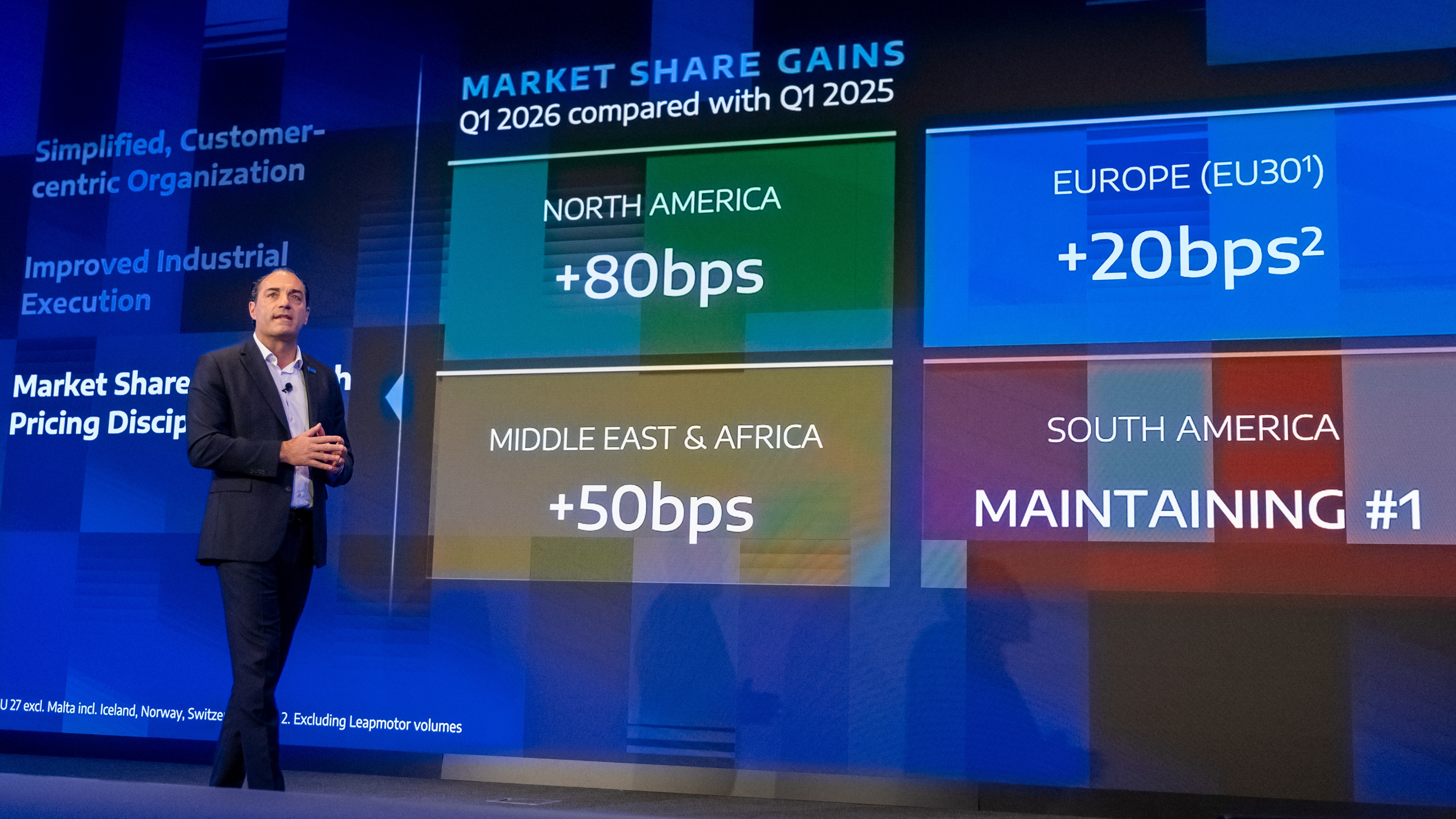
Stellantis is laying out an aggressive five-year investment plan that could materially change what U.S. dealers have to sell by the end of the decade. According to Automotive News, the company’s overall plan totals $70 billion, with $25 billion directed toward North American products and brands. That regional spending is expected to support 11 new vehicles by 2030.
The announcement came out of the company’s May 21 investor day, where CEO Antonio Filosa detailed the plan. Even from the limited supplied source text, the scale is clear: Stellantis is signaling that it intends to refresh both product cadence and showroom relevance in one of its most important markets.
Why dealers will care
For retailers, product droughts are hard to hide. Dealer networks live or die not just on financing and incentives, but on whether the lineup feels current, competitive, and varied enough to hold attention. A promise of 11 new vehicles by 2030 indicates a much more active rollout than a slow series of facelifts or incremental trim changes.
The wording in the source text also emphasizes products and brands, suggesting this is not only a model-launch plan but a brand-positioning effort. That matters for Stellantis because its North American portfolio spans multiple identities with different customer expectations, from mass-market vehicles to more premium or specialized nameplates.
The strategic backdrop
Automakers are operating in a period where capital allocation has become especially consequential. Companies must manage electrification, software expectations, shifting consumer demand, and global supply-chain uncertainty at the same time. A plan this large is therefore a statement of intent as much as a budget figure.
In practical terms, it tells investors, suppliers, dealers, and competitors that Stellantis does not intend to drift in the U.S. market. The company is preparing to spend heavily on relevance. For a legacy manufacturer with a wide footprint, that means making hard calls about which vehicles, segments, and brand narratives deserve priority.
What the 11-vehicle target implies
Eleven new vehicles by 2030 is a meaningful output target because it gives the plan a visible endpoint. The number suggests a sustained release cadence rather than a single launch wave. That can help dealers maintain traffic and give the company multiple chances to respond to market signals as conditions change over the rest of the decade.
It also means the success of the plan will be measurable. By 2030, observers will be able to judge whether Stellantis actually transformed its showrooms or merely announced ambition without adequate follow-through. Big auto investment programs often sound impressive at investor events, but their credibility rests on delivery timing, product mix, and execution quality.
What remains unanswered
The supplied material does not specify which 11 vehicles are coming, how the spending breaks across platforms or powertrains, or which brands stand to benefit most. Those omissions matter. A plan of this size will ultimately be evaluated model by model, not headline by headline.
Still, the significance of the announcement is straightforward. Stellantis is putting a large number on the table and tying it to a concrete North American product pipeline. In a U.S. market where fresh inventory and sharper brand strategy can quickly reshape dealer fortunes, that alone makes the plan one of the more consequential transportation stories of the week.
This article is based on reporting by Automotive News. Read the original article.
Originally published on autonews.com