A used-EV collision is coming into view
Automaker finance arms are approaching a difficult test as leased electric vehicles start returning to the market in larger numbers. Automotive News summarizes the problem starkly: if these off-lease EVs are priced according to original residual value assumptions, they may be too expensive for the market to absorb. But if the vehicles are repriced lower to reflect actual demand, the result is a hit to profits that could run into the billions.
That tension captures one of the least glamorous but most important sides of the EV transition. Selling a new vehicle is only part of the economic equation. Leasing depends on forecasts about what that vehicle will be worth years later. If those forecasts prove too optimistic, the pain does not disappear when the lease ends. It shifts onto the captive finance units or lenders responsible for taking the vehicle back and remarketing it.
Why EV residuals have become so hard to predict
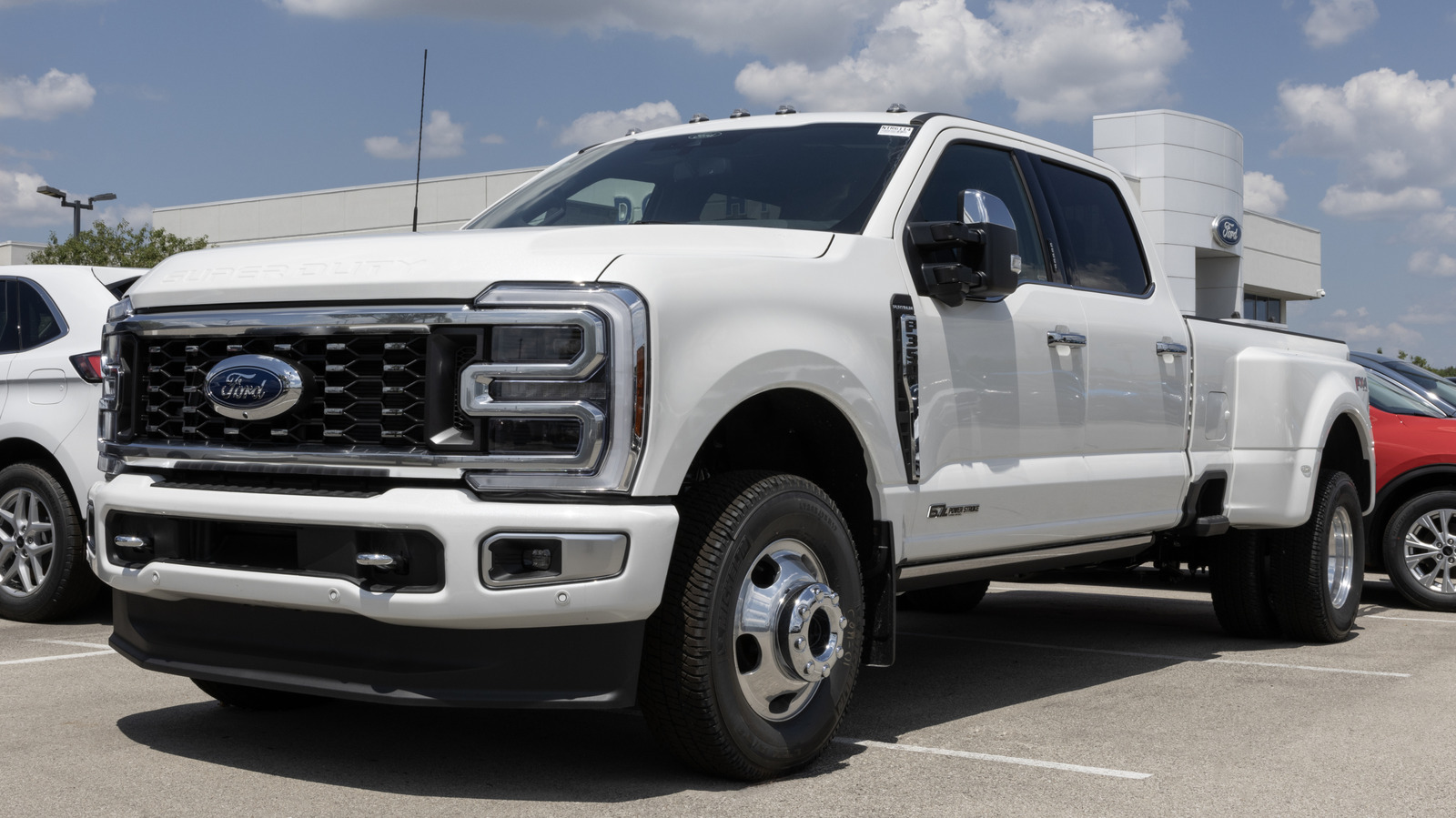
The core issue is simple: electric vehicles coming off lease are entering a used market that may not support the resale prices assumed when the original contracts were written. Automotive News points to off-lease EVs, including Ford F-150 Lightning pickups, as part of the coming wave. If finance companies stick with legacy expectations, those vehicles risk sitting at prices buyers are unwilling to pay. If they discount them to move inventory, they crystallize losses that had previously been more theoretical than real.
Residual forecasting has always involved uncertainty, but EVs add extra complexity. Pricing in the category has moved quickly, new-model competition is intense, and buyer expectations can shift faster than in more mature vehicle segments. A finance arm that guessed too high on future value may now find itself squeezed between book assumptions and market reality.

The problem is bigger than one balance sheet
This is not merely an accounting headache for lenders. Used pricing influences the entire economics of new-vehicle leasing. If finance companies lose heavily on returned EVs, they may respond by setting more conservative residual values on future leases. That can make monthly payments less attractive and reduce one of the most common ways consumers access higher-priced vehicles.
In other words, weakness in the used EV market can feed back into the new EV market. Leasing has often been a crucial tool for lowering the apparent monthly cost of an expensive vehicle. If off-lease losses force captives to become more cautious, that tool becomes less powerful. The result could be slower leasing volume, different incentive structures, or both.
A flood of returns could worsen the pressure
Automotive News says off-lease EVs will soon flood the used market. That matters because pricing pressure intensifies when supply rises faster than demand. A handful of weak resale outcomes can sometimes be absorbed quietly. A broad wave of returns is harder to hide. Finance arms must either hold vehicles longer and hope the market improves or discount more aggressively to clear inventory.
Neither option is attractive. Holding inventory can tie up capital and expose the lender to further price deterioration. Cutting prices may be operationally cleaner, but it confirms the scale of the residual miss. For companies that built earlier EV lease programs around stronger used-value assumptions, the coming months could force a visible reset.

The finance arm dilemma
The dilemma described by Automotive News is therefore not just about pricing cars. It is about deciding where to recognize the cost of a market mismatch. Price too high, and vehicles become uncompetitive. Price to market, and profits erode. From a strategic standpoint, most finance companies will eventually have to follow the market rather than defend outdated assumptions indefinitely. But that does not make the losses easier to absorb.
The issue is especially sensitive because captive finance operations are often central to automaker profitability and sales strategy. They are not side businesses. They help move inventory, support lease offers, and influence how consumers perceive affordability. A sustained hit to EV residual performance can therefore ripple into product planning, incentive decisions, and investor expectations.
What this means for the EV market
The emerging off-lease problem does not necessarily mean used EV demand is absent. It means the market-clearing price may be lower than earlier models expected. That distinction matters. Lower used prices can help more buyers enter the EV market, but they can also expose the financing assumptions that helped support first-wave sales. From the consumer side, cheaper used EVs may look like an opportunity. From the lender side, they may look like a write-down.
This also suggests that the EV transition is entering a more mature and less forgiving phase. Early growth narratives focused heavily on product launches, incentives, and manufacturing scale. The next phase depends just as much on whether vehicles hold value and whether the financing ecosystem can remain stable as early lease cohorts age out.
A correction, not a collapse
For now, the most grounded conclusion is that automaker finance units face a genuine and potentially expensive repricing challenge. Automotive News frames the stakes in billions, and the logic behind that warning is clear. The more lease returns pile up, the harder it becomes to rely on yesterday’s residual assumptions.
This looks less like a single-company anomaly than a market correction working its way through the financing system. The manufacturers and lenders that respond fastest may limit the damage. Those that cling too long to old resale expectations may discover that EV adoption is not judged only by showroom momentum, but by what happens when the first big wave of vehicles comes back.
This article is based on reporting by Automotive News. Read the original article.
Originally published on autonews.com