Nissan puts the Xterra back on the map
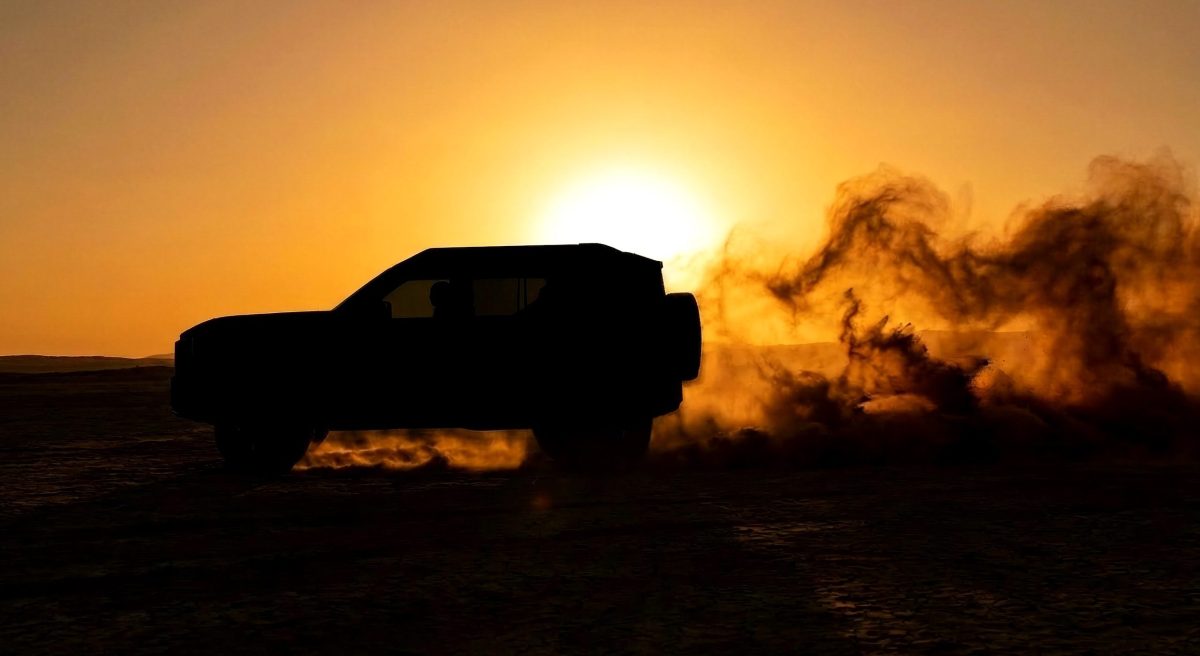
Nissan has moved the long-dormant Xterra from rumor toward reality with a fresh teaser and a blunt message: “Badass is back.” The image, released by Nissan Americas Chairman Christian Meunier on LinkedIn, is light on technical detail but heavy on intent. It shows a shadowy SUV charging across desert dunes, framed to emphasize a square-shouldered silhouette, upright proportions, and a tailgate-mounted spare tire. For a vehicle that built its reputation on durability and off-road credibility, the visual language is not subtle.
The timing matters as much as the design. Nissan’s leadership has been signaling urgency around a broader turnaround, and the Xterra tease suggests the company sees renewed value in recognizable, enthusiast-friendly nameplates. Rather than treating the model as a nostalgic one-off, Nissan appears to be positioning it as part of a larger truck-and-SUV strategy built on new frame-based architecture.
A heritage design, updated for a new cycle
According to the source material, the teaser points to clear heritage cues from the original Xterra. The SUV’s outline appears chiseled rather than rounded, with squared-off edges and upright sides. The greenhouse is described as throwback in character, reinforcing the idea that Nissan wants the revival to feel linked to the vehicle’s earlier identity rather than detached from it.
That design continuity was reinforced by an earlier glimpse of the front end. Nissan had already shown a blocky nose, a sculpted hood, and a segmented amber LED daytime running light signature. Those lights reportedly echo the “triple mail slots” motif associated with the original hardbody Pathfinder. If Nissan carries those references into production, the Xterra could join a wider industry movement in which legacy off-road models return with modern lighting, updated packaging, and more deliberate visual storytelling.
The teaser also hints at practical off-road priorities. A visible spare tire mounted on the rear and an apparent emphasis on ground clearance suggest Nissan wants the Xterra to read as functional, not merely styled to look rugged. Even without a full specifications sheet, those signals matter because they frame the vehicle as a genuine utility SUV instead of a crossover dressed in adventure branding.
Body-on-frame remains central
The biggest strategic detail in the report may be what sits underneath the revived model. The next Xterra is expected to ride on a new body-on-frame platform. That choice places it in a more traditional truck-based off-road category rather than among car-based crossovers that dominate much of the mainstream SUV market.
Nissan reportedly intends to use that same platform across a broader family of vehicles, including a new Frontier pickup, a three-row SUV, and two Infiniti models. That makes the Xterra more than a standalone revival. It becomes the first visible piece of a larger product architecture that could spread development costs while giving Nissan a more coherent offering in trucks, utility vehicles, and premium derivatives.
For automakers, platform decisions often say more than marketing slogans. A fresh frame-based foundation implies long-range planning, manufacturing commitment, and product sequencing. It also suggests Nissan believes there is still enough demand for tougher, more specialized vehicles to justify a dedicated structure rather than stretching a crossover platform across every use case.
Powertrain choices point to a specific market position
The report says the upcoming Xterra will be offered with a V6 and a V6 hybrid powertrain, with no turbo-four planned. That is a notable decision in a market where downsized turbocharged engines have become common. Nissan’s reported approach indicates it wants to preserve a more traditional powertrain character while still making room for electrified assistance through a hybrid configuration.
That combination could help the company balance competing demands. A V6 keeps the Xterra aligned with expectations around towing, durability, and off-road confidence. A hybrid option gives Nissan a way to address efficiency and emissions pressures without turning the model into something conceptually distant from its roots. Based on the supplied source, the company is not presenting the vehicle as a soft urban reinterpretation. It is presenting it as a serious truck-based SUV with updated propulsion choices.
The absence of a turbo-four is also a branding statement. Whether that proves durable by launch is impossible to know from the current information alone, but the message in the teaser cycle is clear: Nissan wants the Xterra revival to feel robust, not compromised.
Production and launch timeline
Nissan’s plan, as described in the source text, is for the Xterra to arrive first in the second half of 2028. Production is set to be based in Canton, Mississippi. That gives the program a clear geographic and industrial anchor, while also underlining that the vehicle is still some distance from showrooms.
That long runway explains the teaser-heavy approach. Nissan appears ready to stretch interest over time, releasing design hints and incremental details as the launch approaches. For the company, that can help rebuild awareness around a once-distinct model name. For consumers and dealers, it keeps attention focused on a product that may become symbolic of whether Nissan can convert brand nostalgia into credible new hardware.
It also means expectations will have time to grow. Reviving an enthusiast model is easier in a teaser image than in a production program. By invoking the Xterra’s identity so directly, Nissan is setting a high bar for capability, design honesty, and value. The eventual vehicle will be measured not only against today’s rivals but against the memory of what made the original compelling.
Why this teaser matters now
Automakers often use heritage branding when they need momentum, but the Xterra signal stands out because it is tied to an apparent restructuring of Nissan’s broader utility portfolio. This is not simply a badge revival. It appears to be an attempt to reassert competence in a segment where identity, architecture, and authenticity matter.
If Nissan follows through on the details outlined so far, the Xterra could become an early statement of the company’s next phase: more decisive design, a stronger frame-based lineup, and a willingness to lean into nameplates with cultural weight. For now, the evidence is limited to teasers and executive signaling. But the message from Nissan is already plain enough. The Xterra is no longer being treated as an old favorite from the archive. It is being prepared as a future product with a defined place in the company’s recovery plan.
This article is based on reporting by The Drive. Read the original article.
Originally published on thedrive.com