A Software Fault in High-Performance Hardware
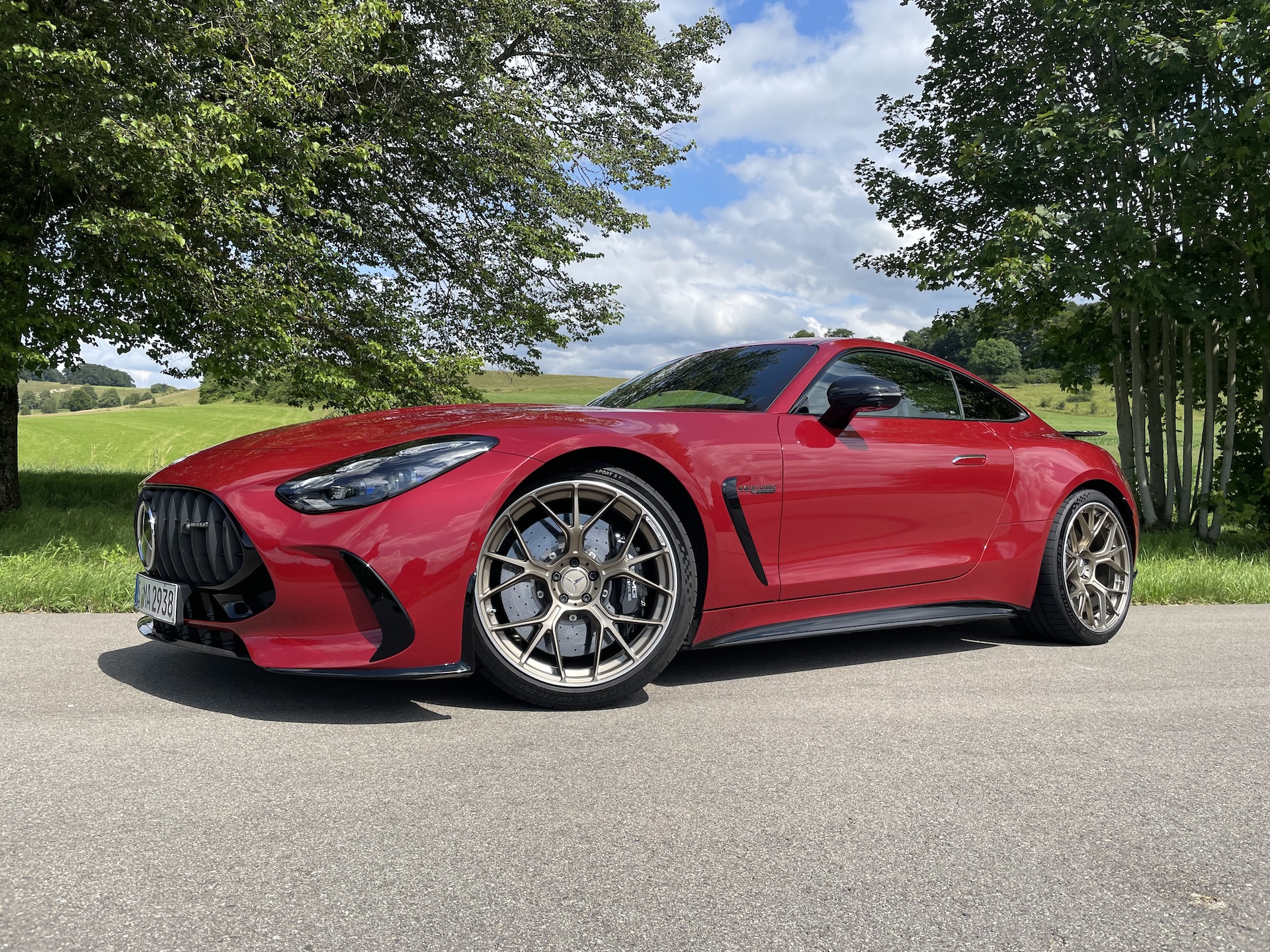
Mercedes-Benz has initiated a safety recall covering several of its most powerful plug-in hybrid vehicles after engineers identified a software error capable of causing unexpected loss of drive power. The affected lineup encompasses five AMG performance models: the AMG S 63 E Performance, AMG GT 63 S E Performance 4-Door Coupe, AMG GT 63 S E Performance, AMG SL 63 S E Performance, and AMG GLC 63 S E Performance.
The fault is particularly notable given the performance envelope of the affected vehicles. AMG's E Performance plug-in hybrid system pairs a turbocharged V8 combustion engine with an electric motor integrated into the rear axle, producing total system outputs ranging from approximately 670 to over 800 horsepower. A sudden loss of drive power in a vehicle traveling at highway speeds represents a meaningful safety hazard, especially during overtaking maneuvers on fast roads.
The Growing Complexity of Electrified Performance Cars
The recall illustrates a challenge that has become increasingly common as automakers push electrification into their highest-performance product lines. Traditional combustion-engine performance cars relied on well-understood failure modes engineered around over decades of development. The introduction of high-voltage battery systems, electric axle motors, and the sophisticated power management software required to coordinate them has introduced new failure vectors that even the most experienced engineering teams can miss.
In AMG's E Performance architecture, the rear electric motor is not simply a fuel-economy device but a core performance component. It provides near-instantaneous torque vectoring capability, supplements the rear-biased combustion drivetrain at low revs, and manages energy recuperation during braking. Coordinating all of these functions requires software of considerable complexity — and complexity introduces edge cases that testing may not catch before vehicles reach customers.
What Owners Should Know
Mercedes-Benz has not disclosed the specific conditions under which the software error manifests. The fix is expected to come through an over-the-air software update or a dealership service visit. The company has not issued a stop-drive order, suggesting engineers believe the fault manifests infrequently enough that a scheduled update is sufficient rather than an immediate grounding of affected vehicles.
The recall comes at a sensitive moment for AMG, which has invested heavily in electrification as the long-term future of high-performance vehicles. Its E Performance lineup is positioned as proof that hybridization need not compromise AMG's driving character. A software-caused recall affecting multiple models reinforces concerns that the automotive industry's rapid electrification is outpacing quality assurance processes.
Industry-Wide Software Reliability Pressures
The Mercedes-AMG recall is not isolated. Across the automotive industry, software-related recalls have grown as vehicles have become more dependent on electronic control systems. The National Highway Traffic Safety Administration tracks software as a growing recall category, and several major manufacturers have faced high-profile software faults in advanced models recently.
The industry response has largely been to accelerate over-the-air update capabilities, allowing manufacturers to push fixes without requiring dealership visits. While this reduces friction for customers, it also means vehicles are effectively in a state of continuous software development — receiving updates that may not have been validated with the same rigor as original release software. For AMG, the immediate priority is resolving the power loss issue and restoring customer confidence in the E Performance system as the division transitions more of its lineup to hybrid and eventually fully electric powertrains.
This article is based on reporting by Motor Authority. Read the original article.
Originally published on motorauthority.com