AMG changes direction with a six-cylinder compact performance SUV
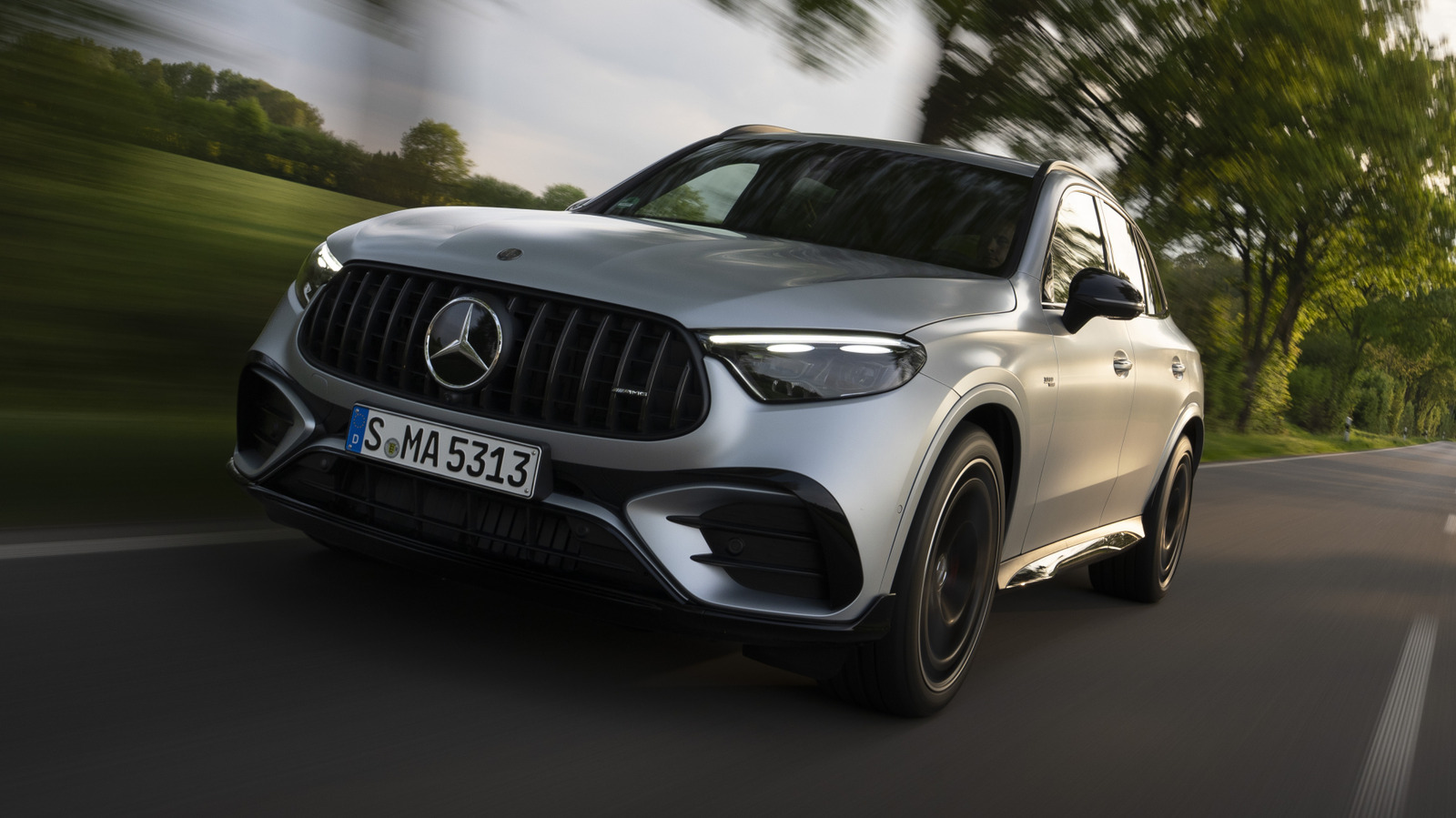
Mercedes-AMG has introduced the 2027 GLC53 as a replacement for the four-cylinder GLC43, and the biggest story is under the hood. After a period in which every current-generation GLC sold in the United States relied on a turbocharged four-cylinder engine, AMG is now restoring six-cylinder power to the compact performance crossover. According to the supplied source text, the new GLC53 uses a twin-charged 3.0-liter inline-six paired with a 48-volt mild-hybrid system, a combination designed to deliver more character as well as more output.
The shift is notable because it amounts to a product-level correction. The source material places the new SUV in the context of broader criticism aimed at AMG’s move away from larger engines, especially after the C63 adopted a four-cylinder plug-in-hybrid layout. That configuration may have delivered headline performance, but it did not satisfy enthusiasts who associate AMG with mechanical drama as much as outright speed. With the GLC53, Mercedes-AMG appears to be responding directly to that complaint.
In practical terms, the GLC53 gives buyers a compact AMG SUV with a more familiar formula: a straight-six, all-wheel drive, and an automatic transmission tuned for fast responses. In branding terms, it signals that AMG still sees emotional appeal as a core part of its value proposition, especially in a market where fast crossovers are abundant and differentiation can come down to powertrain feel.
The new engine is the centerpiece
The source text describes the GLC53’s powertrain as an “AMG-enhanced” 3.0-liter inline-six with both an electric supercharger and an exhaust-gas turbocharger. Output is listed at 443 horsepower and 443 pound-feet of torque in normal operation, with torque rising to 472 pound-feet during overboost. A 48-volt mild-hybrid system adds an integrated starter-generator contributing another 23 horsepower and 151 pound-feet of torque.
That hardware is connected to an AMG-tuned nine-speed torque-converter automatic transmission sending power to all four wheels. The package is not just about straight-line numbers. The source text emphasizes throttle response, paddle-initiated shifts, and a stronger sound profile than the outgoing four-cylinder setup. AMG has also pushed peak power higher in the rev range, with maximum horsepower arriving between 5,500 and 6,100 rpm while peak torque comes in as low as 2,200 rpm.
Those details suggest Mercedes-AMG is targeting both flexibility and theater. The electric supercharger can help fill response gaps, the turbocharger supports sustained output, and the mild-hybrid system adds a layer of low-end assistance. Together, they are meant to produce a drivetrain that feels more immediate and more sonically rewarding than the smaller engine it replaces.
Performance features expand the brief
Beyond the engine, Mercedes-AMG is adding features that widen the GLC53’s performance envelope. The source material says the SUV can be equipped with an electronically controlled limited-slip rear differential, which enables a drift mode for the first time on an AMG SUV. Even if that feature will remain more symbolic than frequently used for most owners, it serves an important purpose. It tells buyers that AMG wants this crossover to feel playful, not merely quick.
The broader product logic is straightforward. Performance SUVs have become a crowded global segment, and many of them now deliver impressive acceleration regardless of brand identity. What separates one from another is increasingly the way they deliver speed. Sound, shift behavior, throttle calibration, and the perception of mechanical depth all matter. The six-cylinder GLC53 is being positioned as the GLC variant that restores some of those traits.
The source text also frames the car as more compelling specifically because of what it is not. It is not another four-cylinder AMG product asking customers to accept efficiency-led downsizing as the price of progress. Instead, it is a model that tries to preserve modern electrified assistance while reintroducing an engine layout more closely aligned with enthusiast expectations.
A launch that says as much about brand strategy as product planning
The 2027 GLC53 is more than an incremental trim update. It reflects how performance divisions are adjusting to market feedback while working inside tighter regulatory and technical constraints. Mercedes-AMG is not abandoning electrification here; the mild-hybrid system remains part of the package. But it is recalibrating the balance between efficiency-minded engineering and the visceral qualities buyers still expect from a premium performance badge.
That matters well beyond this single model. AMG’s reputation was built on engines that felt special, and the source text makes clear that the company is now leaning back toward that identity. In the GLC53, the message is that progress does not have to mean sterilization. A modern performance SUV can still prioritize sound, response, and emotional appeal without giving up the technical tools of the present era.
- The 2027 GLC53 replaces the four-cylinder GLC43.
- Its twin-charged inline-six is rated at 443 horsepower and 443 pound-feet of torque, with 472 pound-feet in overboost.
- A 48-volt mild-hybrid system adds extra power and torque through an integrated starter-generator.
- An optional limited-slip differential enables drift mode for the first time on an AMG SUV.
- The launch suggests AMG is responding to buyer demand for more characterful powertrains.
This article is based on reporting by Jalopnik. Read the original article.
Originally published on jalopnik.com