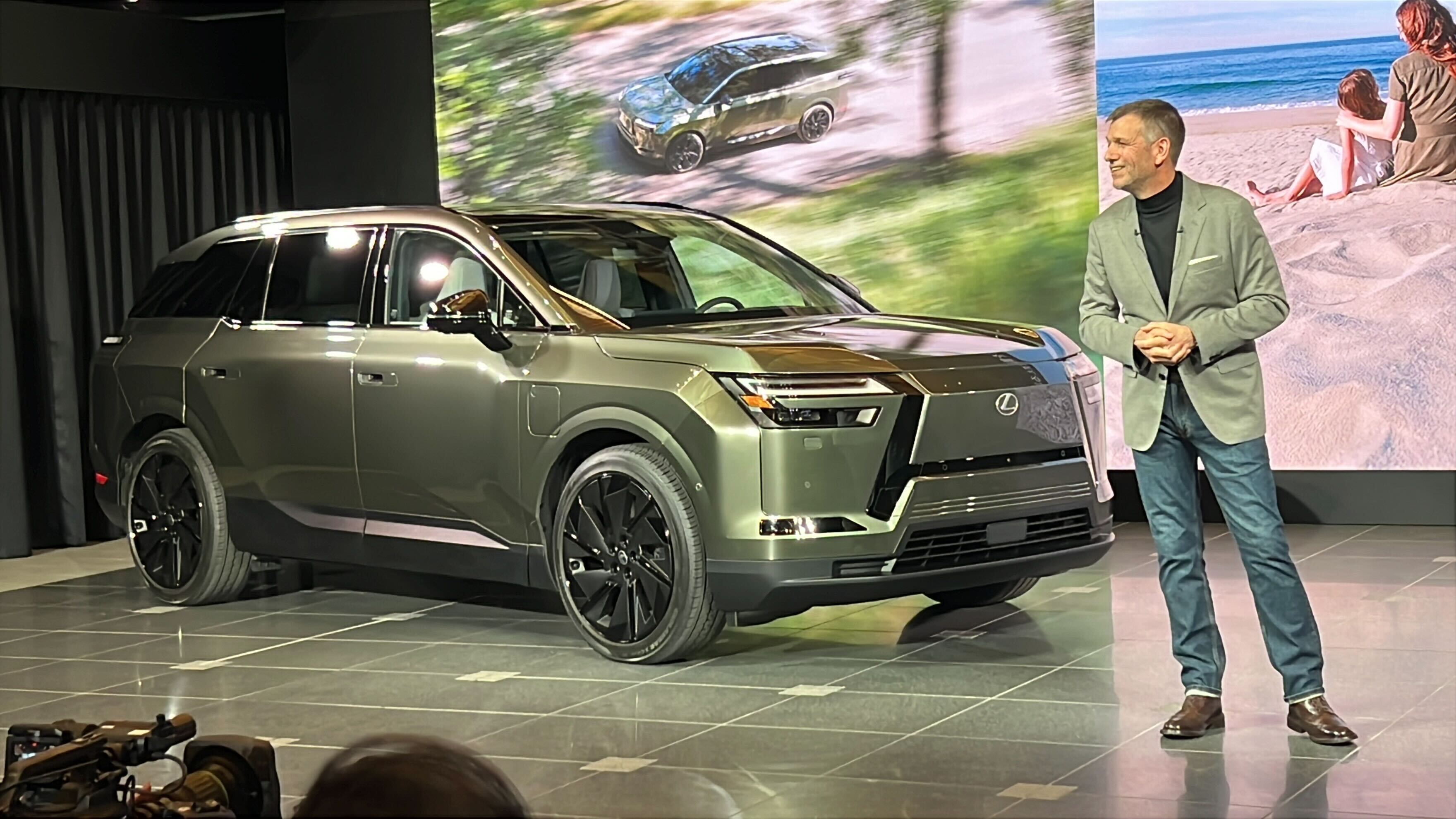
Lexus adds a larger electric crossover to its lineup
Lexus is broadening its battery-electric lineup with the 2027 TZ, a three-row crossover that the brand says will deliver a 300-mile range, roughly 400 horsepower, and a more comfort-focused interior concept. The vehicle was presented as part of Lexus’ wider electrification push, signaling that the company wants a stronger position in a segment where size, premium features, and family utility still matter.
The announcement gives Lexus a more explicit entry in the three-row electric luxury crossover space, an area that remains strategically important as automakers try to move EV offerings beyond early adopters and compact crossovers. By combining a larger cabin format with premium branding, Lexus is aiming at buyers who want electric propulsion without stepping down in space or comfort.
A premium EV aimed at practicality as well as image
The new TZ is described as a three-row all-electric crossover, which immediately places it in a different lane from smaller luxury EVs designed primarily around urban use or style-led positioning. Three rows change the value proposition. They introduce the possibility of family transport, premium ride-sharing, executive shuttle use, and more cargo flexibility, all within a segment that still carries strong margins for manufacturers.
Lexus is pairing that size with what Automotive News described as a “driving lounge” cabin. That wording suggests the company wants the interior to do more than deliver upscale materials. It is positioning the cabin experience as part of the EV case itself, where quiet operation and smooth power delivery can reinforce a more relaxed and refined passenger environment.
That is a sensible angle for a luxury brand. In electric vehicles, outright acceleration no longer serves as a reliable differentiator because many rivals can produce fast headline numbers. Interior experience, packaging, comfort, and brand trust are increasingly where automakers try to separate themselves.

Range and power targets place the TZ in the mainstream luxury fight
Lexus says the TZ will offer a 300-mile range and 400 horsepower. Those figures do not appear intended to redefine the category, but they do place the vehicle within the competitive range expected of a modern premium electric crossover. For a large, three-row vehicle, the signal is straightforward: Lexus wants the TZ to be seen as a fully credible mainstream EV, not a compliance product or a niche experiment.
The quoted range is especially important because larger electric vehicles face persistent scrutiny over efficiency and real-world usability. Buyers in this class are less likely to accept compromises on road-trip capability or daily convenience. A 300-mile figure gives Lexus a clear benchmark to present during launch, even as actual buyer response will depend on charging performance, pricing, and trim strategy.
The 400-horsepower output supports the same message. It suggests confident performance without pushing the vehicle into an overtly extreme or track-oriented identity. For many luxury buyers, usable strength matters more than maximum theatrics.
Electrification pressure is rising for established luxury brands
The TZ arrives as Lexus accelerates its electrification strategy. That context matters as the luxury market becomes more crowded with EVs from both established automakers and newer challengers. Premium buyers now expect more than a token electric option. They increasingly want a full portfolio that matches the variety already available in gasoline and hybrid lineups.
For Toyota Motor Corp. and Lexus, the timing also reflects a broader transition in how the group is presenting its battery-electric future. Adding a three-row electric crossover helps close a gap in product coverage and shows that electrification efforts are moving further into core family and premium segments rather than remaining concentrated in smaller or more experimental models.
It also allows Lexus to compete for customers who might otherwise look to rival luxury EV brands when they need seating capacity and upscale design in the same package. In that sense, the TZ is not just a new product. It is a statement that Lexus intends to be relevant in more of the high-value EV market.

Design and branding remain part of the equation
The unveiling was associated with Simon Humphries, Toyota’s head of global design and chief branding officer, underscoring how closely design language and brand positioning remain tied to Lexus’ EV rollout. Electric products are not only engineering programs; they also serve as signals about how a brand wants to be seen during a period of industry transition.
That is especially true for Lexus, which has long differentiated itself through refinement, quietness, and a hospitality-oriented luxury identity. An EV with a lounge-centered cabin concept is consistent with that heritage. Rather than imitating more aggressive or minimalist rivals, the company appears to be translating its existing premium values into an electric format.
What the TZ could mean for the market
The most important thing about the TZ may be its normality. It is a large, premium, family-capable EV from a well-known luxury brand, with competitive headline figures and a cabin positioned around comfort. That may not sound radical, but it reflects where the market is heading. EV adoption will increasingly depend on vehicles that fit established buyer expectations instead of asking customers to reorganize their preferences around novelty.
If Lexus can deliver on range, power, and cabin quality while pricing the TZ effectively, the vehicle could become an important test of how mainstream luxury electrification is progressing. The announcement does not answer every question, but it does clarify the brand’s direction. Lexus is moving further into electric vehicles that are meant to compete at the center of the premium market, not just at its edges.
This article is based on reporting by Automotive News. Read the original article.
Originally published on autonews.com