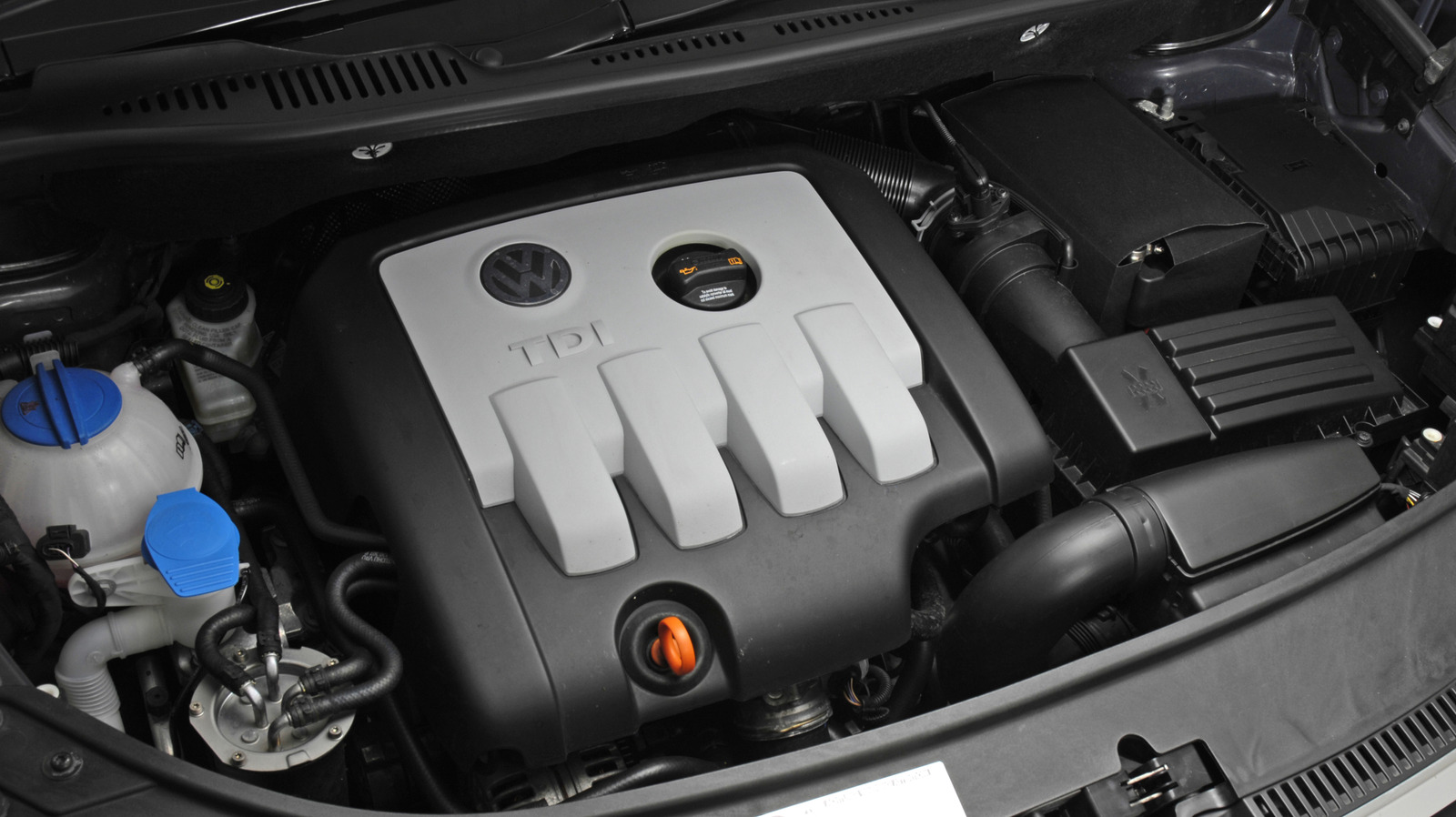
A small system with a large job
Crankcase breather systems are not among the most visible parts of an engine, but they are among the most important for reliability and emissions control. In modern diesel engines, their role is especially critical because diesel combustion produces operating conditions that increase blow-by and raise the consequences of unmanaged crankcase pressure.
As Jalopnik explained, the crankcase is the sealed lower portion of an engine that houses the crankshaft, the component that converts the pistons’ up-and-down motion into rotational output. During normal operation, a small amount of fuel and combustion gases inevitably slips past the piston rings and enters the crankcase. This is known as blow-by.
Those gases do not arrive alone. They carry combustion byproducts and unburned fuel, and if they are allowed to accumulate inside the crankcase, internal pressure rises. Once that pressure builds, it can push oil past seals and gaskets, contributing to leaks, contamination, efficiency losses, and emissions problems.
From venting to recirculating
Older engines handled the problem crudely by venting those gases straight into the atmosphere. That changed after emissions rules introduced in the 1960s pushed automakers toward systems that route crankcase vapors back into the intake stream to be burned again. The result is a cleaner and more controlled process: pressure is managed internally rather than allowed to escape as a direct pollutant.
Modern vehicles therefore use closed crankcase ventilation systems. These systems are now standard not because they are optional refinements, but because engine operation depends on keeping the crankcase from becoming a pressurized reservoir of oil-laden vapors and combustion residue.
That general principle applies to gasoline engines as well, but diesel engines impose harsher demands. Jalopnik noted that diesels use higher compression ratios to ignite fuel without spark plugs. Those higher compression ratios can produce increased blow-by, which in turn makes effective crankcase ventilation especially important.

Why diesel engines need more robust ventilation
The diesel advantage in torque and efficiency comes with mechanical tradeoffs. Higher cylinder pressures mean more stress on engine components and more opportunity for gases to make their way past piston rings into the crankcase. That does not mean a diesel is malfunctioning; some blow-by is an expected part of engine operation. What changes is the scale of the problem and the need to handle it well.
If a diesel engine lacks effective crankcase breathing, the immediate risks are straightforward. Pressure can drive oil outward through seals and gaskets. Oil contamination can worsen. Vapors can accumulate where they do not belong. Over time, those effects can undermine engine cleanliness, emissions performance, and durability.
This is why closed crankcase ventilation systems in diesel applications often do more than simply redirect gases. They are designed to separate oil from the vapor stream before returning the remaining gases to the intake.
How diesel crankcase systems differ from gasoline setups
Jalopnik distinguished between two main categories of crankcase ventilation: open systems and closed systems. Open systems, common on older engines, vent gases to the atmosphere. Closed systems handle those vapors internally.
In diesel engines, the closed crankcase ventilation valve is often called a CCV. The article describes it as a more complex system capable of oil-gas separation. Fine oil mist is trapped in a CCV filter, then allowed to drain back into the crankcase, helping preserve lubrication. The remaining gases are routed back to the intake system.
Gasoline engines more commonly use a related approach known as positive crankcase ventilation, or PCV. A PCV system includes a valve that can adjust airflow based on engine conditions. Both designs pursue the same underlying goal: control crankcase pressure and keep harmful vapors from being released untreated. But the diesel version must often deal with heavier blow-by loads and more oil separation demands.

Reliability, efficiency, and emissions
The importance of crankcase breathing in diesel engines sits at the intersection of three engineering priorities. First is reliability. Pressure control reduces the chance of oil leaks and helps protect sealing surfaces. Second is efficiency. Routing vapors back through the engine supports cleaner operation and reduces losses tied to contamination and poor pressure control. Third is emissions. Closed systems prevent direct release of polluted vapors that older venting arrangements would have sent into the air.
That combination explains why the crankcase breather is not merely an accessory or maintenance footnote. It is part of the basic architecture that allows a modern diesel to operate within today’s performance and environmental expectations.
An overlooked but essential component
Because crankcase ventilation operates mostly out of sight, it can be easy to underestimate its importance. Yet the system exists to solve a fundamental consequence of combustion itself. In diesel engines, where higher compression intensifies blow-by, the need becomes even more pronounced.
The larger lesson is simple: modern engines depend on carefully managed internal airflow, not just fuel and spark or fuel and compression. A diesel crankcase breather helps regulate that hidden internal environment. Without it, pressure rises, oil control suffers, emissions worsen, and the engine’s long-term health is put at greater risk.
This article is based on reporting by Jalopnik. Read the original article.

Originally published on jalopnik.com