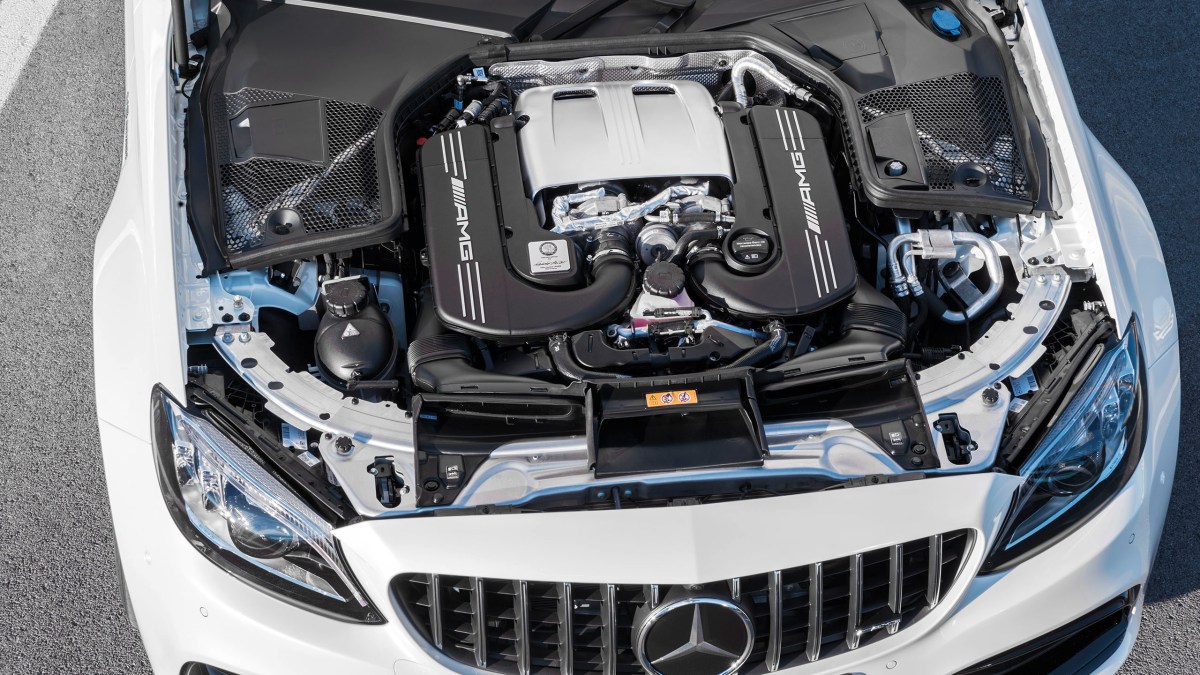
AMG is restoring a centerpiece of its performance identity
Mercedes-AMG says V8-powered models will return before the end of 2026, with SUVs set to receive the engine first before it spreads to additional vehicles. Based on the supplied source material, the announcement comes directly from AMG CEO Michael Scheibe, making this more than another round of speculation about whether the company’s performance division would revisit large-displacement combustion engines.
The significance goes beyond a powertrain update. For AMG, the V8 is not just one engine option among many. It has long functioned as a core part of the brand’s identity, shaping how customers understand its sound, character, and performance positioning. In recent years that identity has been under pressure as stricter emissions demands, electrification plans, and plug-in hybrid strategies pushed the company toward more complex drivetrains and, in some cases, smaller engines.
This announcement suggests AMG now sees value in restoring a formula that many enthusiasts felt it moved away from too quickly.
Why the return matters after the four-cylinder backlash
The source points to the C63 S E Performance as the clearest symbol of that shift. That model replaced AMG’s previous twin-turbo V8 setup with a heavily electrified four-cylinder hybrid. It remained powerful, but the market response was widely defined by skepticism. The issue was not simply horsepower. Buyers questioned the weight, complexity, and emotional character of the new arrangement, especially in a model line associated with a particular kind of mechanical drama.
Scheibe’s comments, as provided in the source text, reflect that reality. He said AMG is doubling down on internal-combustion cars while also maintaining equal emphasis on its electric lineup. That framing is important. AMG is not presenting the V8 return as a retreat from electrification altogether. Instead, it is trying to show that multiple propulsion strategies can coexist inside the same performance brand.
There is also a practical dimension. The source notes Scheibe’s argument that if the goal is a lightweight performance car, a V8-only configuration can sometimes make more sense than a sophisticated hybrid system. That point addresses one of the biggest criticisms aimed at recent plug-in performance cars: outright power gains do not automatically compensate for added mass and reduced simplicity.
SUVs first, then broader rollout
According to the supplied reporting, the V8 will return first in AMG SUVs. That sequencing makes business sense. High-performance SUVs remain commercially important, and they are more accommodating platforms for larger engines. The source specifically points to likely landing spots among AMG versions of the GLE and GLS, which would align with the segment’s continued strength in both margin and demand.
After that, AMG plans to bring the engine back to coupes and sedans. That broader rollout matters because it would reconnect the V8 not just with family-sized utility vehicles but with the body styles that helped define AMG’s image in the first place. The source also references hints from Mercedes leadership in the United States about a V8-powered CLE, further reinforcing the idea that this is a portfolio strategy rather than a one-off halo project.
The engine itself is expected to be derived from the M177 Evo in the new S-Class and to use a flat-plane crank, according to the supplied text. Even without full product details, that suggests AMG intends the comeback to feel technically current rather than purely nostalgic.
What stays and what changes
The return of the V8 does not mean AMG is abandoning hybrids or EVs. The source explicitly says some plug-in hybrid models, including the GLE53 and E53, will remain in markets where emissions rules make them more practical. That is a reminder that product planning is increasingly regional. Automakers are no longer moving in a single straight line from combustion to hybrid to fully electric. They are building mixed portfolios shaped by regulation, customer preference, and profitability.
The same source says an all-electric AMG GT four-door is still expected in the future. That positions AMG’s current strategy as additive rather than substitutional. In effect, the company is attempting to serve traditionalists, compliance-heavy markets, and EV adopters at the same time.
A broader signal for performance automakers
AMG’s V8 decision is also a useful indicator for the wider industry. Performance divisions across Europe have spent the last several years trying to balance brand heritage against regulatory pressure and technology transitions. Some discovered that electrified performance can be fast but not always persuasive on emotional terms. Others found that customers may accept downsizing in mainstream vehicles more readily than in prestige performance models.
AMG appears to be responding to that lesson directly. By reintroducing V8s while keeping hybrids and EVs in the mix, it is acknowledging that performance branding still depends on more than laboratory efficiency or peak output figures. Sound, weight, responsiveness, and emotional continuity still matter.
That does not guarantee a full return to the old order. The market, the regulatory environment, and Mercedes’ own electrification agenda have all changed too much for that. But the decision does suggest the company believes there is durable commercial and brand value in keeping a V8 alive.
For enthusiasts, the announcement is confirmation that AMG heard the criticism. For the industry, it is a sign that the transition to new powertrains may be less linear and less final than many product roadmaps once implied.
This article is based on reporting by The Drive. Read the original article.
Originally published on thedrive.com