The Lexus ES enters an all-electrified era
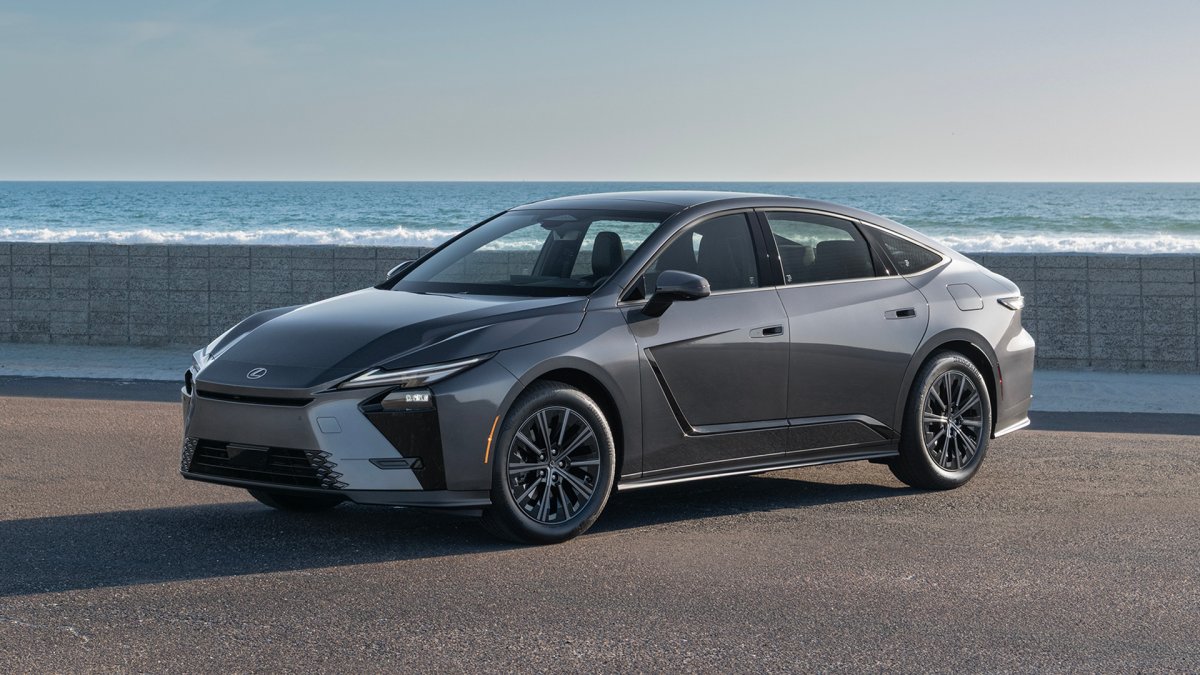
The 2026 Lexus ES marks a major shift for one of the brand’s most established sedans. For its eighth generation, Lexus has dropped the full gasoline powertrain and moved the ES onto a new platform that supports hybrid and battery-electric drivetrains under a shared body. The result is a luxury sedan lineup that keeps the ES mission of comfort intact while reworking nearly everything underneath.
Lexus now offers the ES in three versions: the ES 350h hybrid, available in front-wheel drive or all-wheel drive; the ES 350e battery-electric with front-wheel drive; and the ES 500e battery-electric with all-wheel drive. All three share the same basic exterior shell, interior architecture, 14-inch Lexus Interface touchscreen, and Lexus Safety System+ 4.0 as standard equipment.
A multi-pathway platform for one nameplate
The shift is significant because it gives the ES a multi-pathway setup for the first time in the model’s history. Instead of splitting hybrid and EV models into separate product lines, Lexus is packaging them as distinct variants of a single large sedan. That approach lets the company keep a familiar nameplate while broadening the number of electrified options available to buyers.
In practical terms, the new ES is also bigger than the outgoing model. It is longer, wider, and taller, reinforcing its role as a roomy comfort-focused sedan even as the market continues to tilt toward crossovers. The review source notes that if the car were any larger, it might almost register as a crossover in sedan form.
Efficiency drives the redesign
The headline change is clearly efficiency. Lexus is positioning the new ES around hybridization and battery-electric propulsion rather than around performance theatrics or design shock. The source describes the styling as conservative, with the biggest transformation happening below the floor rather than on the surface.
That may be exactly the point. The ES has long been defined less by visual drama than by comfort, quietness, and ease of use. The 2026 model appears to preserve that identity while updating the powertrain strategy for a market that increasingly expects lower-emission options across premium segments.
Inside, the focus remains calm and clean
The cabin is described as mature, uncluttered, and deliberately clean. Lexus appears to be leaning into serenity rather than ornament, pairing the large central screen with a simplified interior architecture. Whether a buyer reads that as refined or sterile will be subjective, but the design direction aligns with the ES’s longstanding role as a calm, comfortable commuter rather than an aggressively sporty sedan.
What differentiates the variants is not the general cabin design but the powertrain underneath and the driving character that follows from it. That means Lexus is asking buyers to choose the kind of electrification they want without giving up the broader ES experience.
Why the launch matters
The luxury sedan market has been under pressure for years from utility vehicles, yet major brands continue to use sedans as showcases for powertrain transitions. The ES is now doing that work for Lexus. By removing the pure gas option and retaining both hybrid and EV choices, the company is using a conservative model to make a substantial strategic move.
That also signals something about how premium brands see the next phase of electrification. Rather than forcing a single answer, Lexus is offering a hybrid for buyers who want efficiency without charging dependence and full EVs for buyers ready to move further. The shared platform helps hold the lineup together.
A familiar product with a new role
The 2026 ES is not trying to reinvent the luxury sedan in cultural terms. It is trying to modernize a familiar formula. In that sense, the launch matters less as a style statement than as a product strategy statement: Lexus believes there is still room for a large, comfort-led sedan, provided it meets the moment on efficiency and electrification.
If the ES remains true to its mission while broadening its drivetrain mix, Lexus may have found a way to keep a traditional sedan relevant without pretending it needs to become something else.
This article is based on reporting by The Drive. Read the original article.
Originally published on thedrive.com