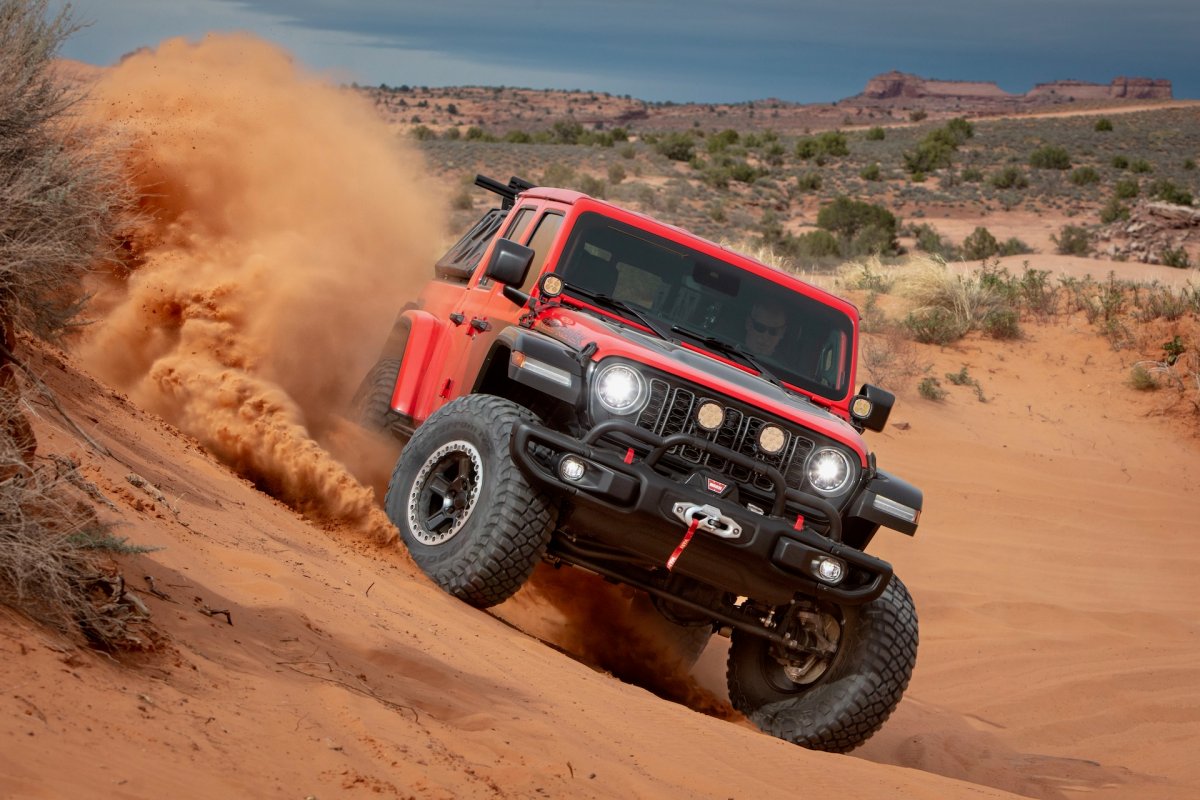
Moab, Utah, has spent decades as one of the most recognizable off-road destinations in the United States, and Jeep has spent roughly the same amount of time using the town's red rock landscape to sell trucks and SUVs. Now that relationship has a price attached. The Moab City Council has entered into a two-year sponsorship agreement with Stellantis, Jeep's parent company, that allows the brand to market itself as the "Official 4×4 of Moab," according to reporting by The Salt Lake Tribune.
The arrangement is structured as a pilot program. Councilors can revisit the terms and decide whether to extend them once the initial two-year term runs out, which means the deal is less a permanent naming-rights sale than a test case — one that could become a template for other towns whose identities are tied to a single automotive brand.
What the Agreement Actually Pays For
Jeep's annual commitment is $225,000, and the breakdown matters because it splits the total between cash the city controls outright and services the company delivers in kind.
- $125,000 per year in "unrestricted funding" that Moab's city government can spend however it chooses.
- $100,000 in annual value assigned to vehicles, trail work and event sponsorships that Jeep provides.
Moab officials are reportedly considering using part of the unrestricted money to add a half-time employee to the city's Arts and Special Events department — a position that would help absorb the promotional workload the partnership creates. The remainder would go to the city's general fund, with councilors determining how to spend it as they plan budgets.

Vehicles, Trails and Community Events
Five vehicles for city use
Jeep will supply five vehicles for municipal use as part of the agreement. The vehicles are folded into the same $100,000 annual in-kind valuation that covers the company's other non-cash contributions, so their practical benefit to city operations is bundled with sponsorship and stewardship spending rather than tracked as a separate line item.
Trail stewardship and restoration
The company also commits to contributing to trail stewardship and restoration work. That provision carries real weight in a region where off-road access and land management are persistent subjects of debate. Trails that attract enthusiasts require upkeep, and the cost of that upkeep typically falls on public agencies and volunteer groups rather than the automakers whose customers use them.
Sponsored gatherings
Jeep will sponsor community events under the deal, including the Red Rocks Art Festival and a celebration marking the 125th anniversary of Moab's incorporation on December 30, 1902. A third event, an unnamed multi-day gathering, is planned for 2028.
The Marketing Number That Dwarfs the Rest
The largest line item is not cash. The agreement calls for Jeep to provide $10 million in annual marketing support — a figure that, according to the report, is roughly five times the current marketing budget of the Moab Office of Tourism. That support will likely take the form of content produced by Jeep with the approval of Moab officials.
For a city of Moab's size, promotional reach on that scale would be nearly impossible to replicate on its own. It also raises an obvious question about creative control: when a single automaker funds much of the imagery that defines a destination, who ultimately decides what that destination looks like to the outside world?
Why Jeep Calls Moab Its 'Home Away From Home'
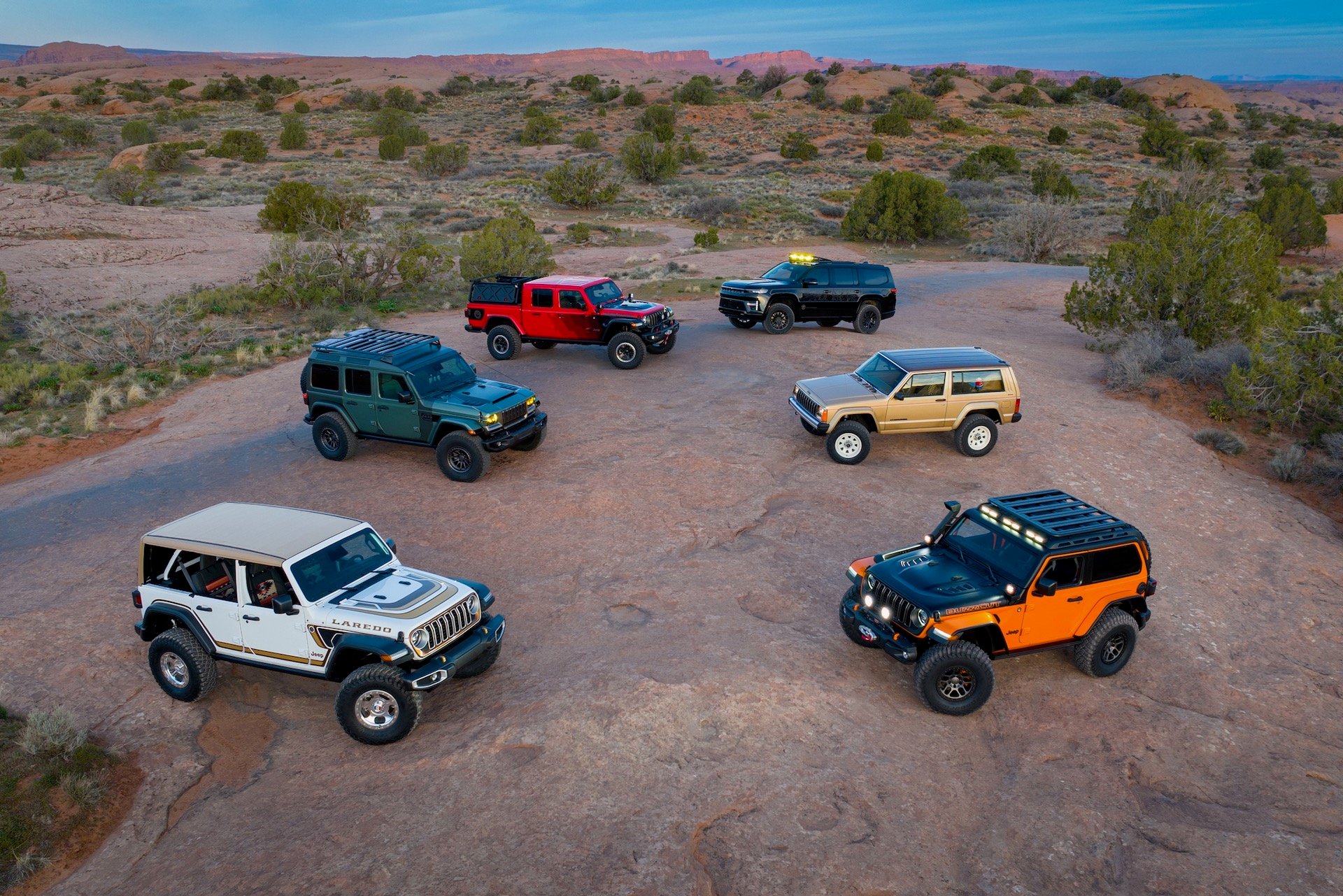
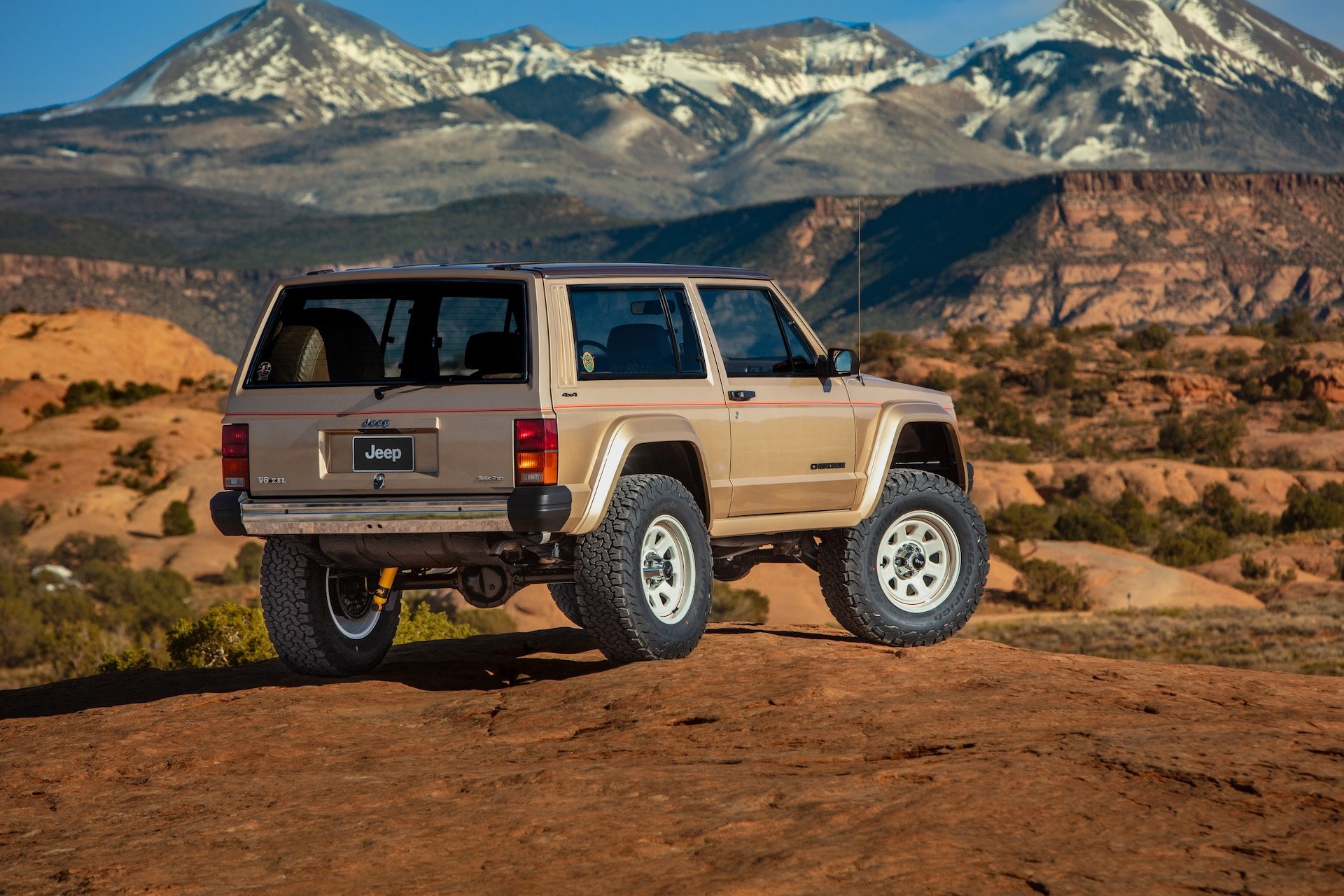
Company executives describe Moab as the brand's "home away from home," a phrase rooted in the annual Easter Jeep Safari. That enthusiast gathering draws Jeep owners to the area's trails and doubles as the stage where the company unveils concept vehicles hinting at future production plans. The event has made Moab a recurring backdrop in Jeep's product storytelling, and it explains why formalizing the relationship appealed to both parties.
Jeep secures an exclusive, official-sounding title in a place its customers already associate with the brand. Moab secures funding, vehicles, trail maintenance and marketing reach it would otherwise have to find elsewhere. The two-year window gives each side room to judge whether that trade is worth continuing.
The Fairness Argument
Councilor Miles Loftin framed the logic bluntly to The Salt Lake Tribune: Jeep and other companies already use images of Moab and its surroundings to promote themselves, so it is only fair that the city gets something back. That argument treats the town's scenery as an asset that has effectively been licensed for years without compensation.
Whether the title itself changes buying behavior is a separate and much murkier question. A council resolution in a small Utah city is unlikely to move sales figures on its own. But the agreement does convert a previously informal, one-sided relationship into one with defined terms, deliverables and an expiration date.
What Comes Next
Because the arrangement is a pilot, its durability depends on how the first two years unfold. City officials will need to weigh the revenue and in-kind benefits against exclusivity: naming Jeep the official 4×4 of Moab arguably narrows the field for competing brands that also market vehicles to off-road buyers.
Both parties retain the option to revisit and extend once the term ends. If they do, the $10 million marketing commitment — roughly five times the tourism office's current budget — is the piece most likely to shape how the outside world sees Moab in the years ahead.
What is already clear is that Moab has placed a dollar figure on an identity that off-roaders and automakers treated as communal property for generations. Whether other destinations pursue similar naming-rights deals is the question this pilot will help answer.
This article is based on reporting by The Drive. Read the original article.
Originally published on thedrive.com