A V8-Shaped Hole in the Grand Cherokee Lineup
For years, the Jeep Grand Cherokee and the Hemi V8 were inseparable. The throaty rumble of the 5.7-liter engine became synonymous with the flagship SUV's identity, offering not just performance thrills but genuine utility for owners who relied on its class-leading tow ratings. When Jeep pulled the V8 from the two-row WL74 model in 2023 and subsequently dropped it from the long-wheelbase Grand Cherokee L in 2024, the outcry from the Jeep faithful was immediate and sustained.
Now, there are signals that Stellantis may be reversing course. Joe Aljajawi, the engineering lead for the updated WL Grand Cherokee, delivered a tantalizing message to V8 loyalists in a recent interview with The Drive: "I would say for the Grand Cherokee customers that we are listening to you, and then stay tuned for more." It is the kind of carefully worded statement that stops short of confirmation but carries enough weight to fuel serious speculation about the Hemi's return.
Why the V8 Matters Beyond Bragging Rights
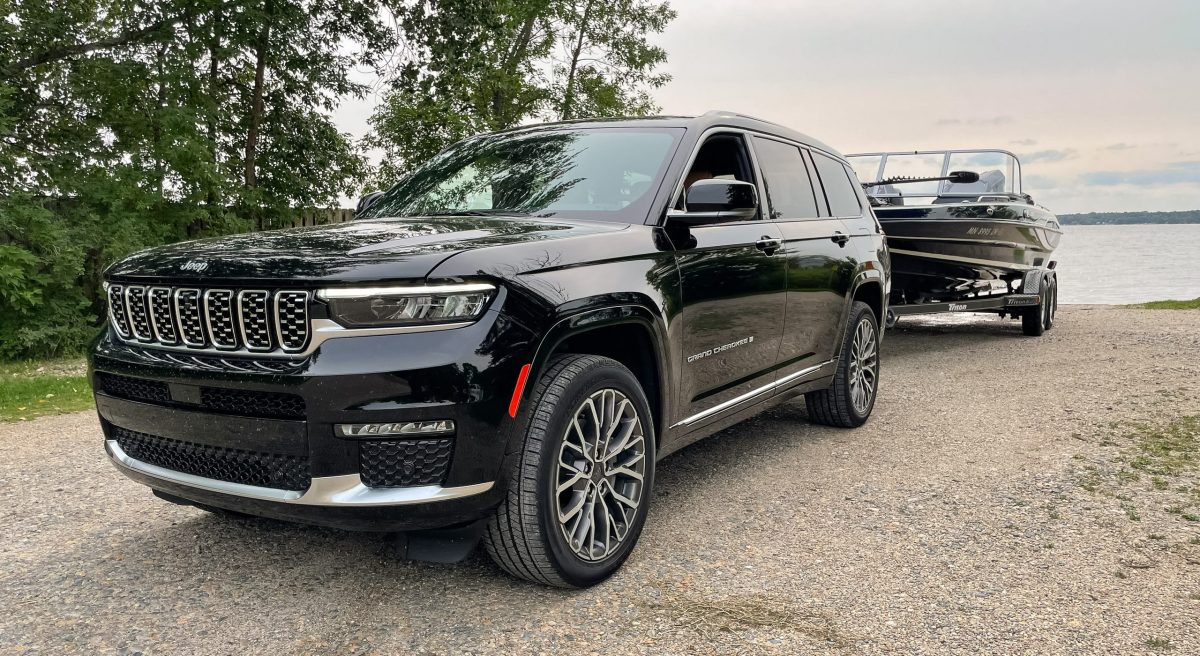
The removal of the Hemi V8 from the Grand Cherokee was not merely an emotional blow for performance enthusiasts. It created a tangible capability gap that directly affects how owners use their vehicles. The 5.7-liter Hemi delivered a maximum tow rating of 7,200 pounds, a figure that placed the Grand Cherokee in direct competition with some midsize trucks. That number exceeded the V6's capability by roughly 1,000 pounds and outpaced the now-discontinued 4xe plug-in hybrid variant by approximately 1,200 pounds.
For Grand Cherokee owners who tow boats, horse trailers, campers, or construction equipment, those extra pounds of towing capacity are not abstract numbers on a specification sheet. They represent the difference between a vehicle that can handle their lifestyle and one that falls short. The V8 also came paired with larger front brakes, a critical safety feature when hauling heavy loads downhill or decelerating from highway speeds with a loaded trailer behind you.
The 2026 refreshed Grand Cherokee arrives at dealerships with a 3.6-liter V6 and a new turbocharged four-cylinder engine. Both are competent powertrains in their own right, but neither matches the V8's combination of raw power and towing muscle. For a significant subset of Grand Cherokee buyers, the current lineup simply does not meet their needs.
Stellantis and the Broader V8 Revival
Aljajawi's comments do not exist in a vacuum. Stellantis has been quietly but unmistakably recommitting to V8 power across its portfolio of brands. The Hemi V8 remains available in the Jeep Wrangler and is slated to return to the Jeep Gladiator pickup. Ram has kept the V8 alive in its 1500 truck lineup, and the engine has reportedly received tuning updates that make it louder and more characterful than ever.
This trend runs counter to the broader automotive industry narrative, which for several years has pushed relentlessly toward electrification and downsized turbocharged engines. But market realities have a way of overriding corporate strategy. Consumers in the truck and SUV segments have consistently demonstrated a willingness to pay premium prices for V8 power, and Stellantis appears to have recognized that abandoning these buyers leaves money on the table and sends them to competitors.
General Motors continues to offer V8 engines in the Chevrolet Tahoe and Suburban, while Toyota's twin-turbocharged V6 in the Land Cruiser and Sequoia delivers V8-competitive performance. If Jeep wants the Grand Cherokee to remain a top-tier contender in the premium midsize SUV segment, offering a high-output engine option is not merely a nostalgic gesture but a competitive necessity.
What a V8 Return Might Look Like
While Aljajawi did not offer specifics, there are several plausible scenarios for how a V8 Grand Cherokee could re-enter the market. The most straightforward path would be a reintroduction of the existing 5.7-liter Hemi, possibly with minor emissions compliance updates. Stellantis has invested heavily in keeping this engine viable across its truck and SUV platforms, so the engineering groundwork already exists.
A more ambitious possibility would involve the supercharged 6.2-liter Hellcat-derived engine or a high-output variant of the existing Hemi. However, given current emissions regulations and the associated compliance costs, a standard 5.7-liter offering seems far more likely as an initial step.
There is also the question of hybridization. Stellantis has explored mild-hybrid and plug-in hybrid configurations for its V8 engines, and a Grand Cherokee that pairs the Hemi with an electric motor could theoretically offer the best of both worlds: the towing capability and character of a V8 with improved fuel economy numbers that help the automaker meet corporate average fuel economy standards.
The Enthusiast Market Still Has Clout
The Grand Cherokee V8 saga illustrates a broader lesson about the automotive industry's relationship with its customer base. Automakers have learned, sometimes the hard way, that consumer preferences do not always align with corporate efficiency targets. The rush to eliminate V8 engines and push buyers toward smaller, turbocharged powertrains or fully electric alternatives has encountered resistance from segments of the market that value specific capabilities.
Towing is a particularly compelling use case. Electric vehicles are making tremendous strides in range and performance, but towing heavy loads remains a challenge for battery-powered platforms due to the dramatic range reduction that occurs under sustained heavy loads. Until EV technology matures to the point where it can match a V8's towing range without compromise, there remains a strong market case for keeping internal combustion options available.
Jeep's willingness to publicly acknowledge that it hears its customers is a meaningful signal. Whether the Hemi V8 returns as a 2027 model year option or arrives as a mid-cycle addition to the current generation, the message from Jeep's engineering team is clear: the V8 Grand Cherokee story is not over yet. For the legions of owners who depend on its towing prowess and love its character, that is welcome news indeed.
This article is based on reporting by The Drive. Read the original article.
Originally published on thedrive.com