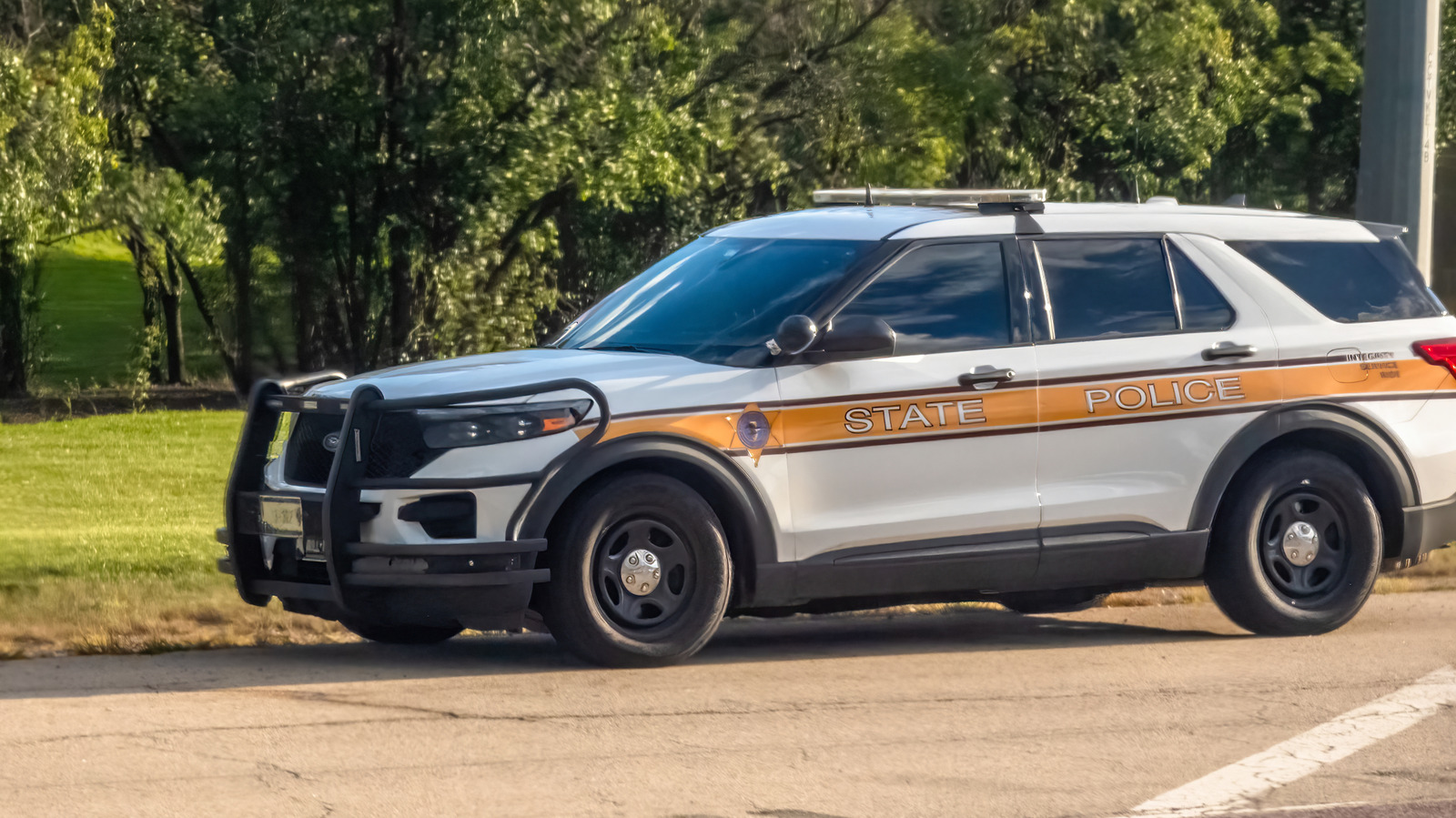
Rising vehicle costs are now a public-sector operations problem
Illinois State Police says more than 1,000 cruisers are overdue for replacement, and the reason is not a lack of awareness about fleet age. It is a combination of rising vehicle costs and a funding structure that no longer matches the price of the equipment being purchased. According to the supplied source text, ISP Director Brenden Kelly told a Senate appropriations committee that, at the current rate and with the current funding mechanism, it would take about 18 years to replace the fleet.
That statement turns a familiar consumer complaint into an institutional one. New vehicles have become expensive enough that even a statewide law-enforcement fleet is struggling to replace cars on schedule. This is not simply a budgeting footnote. Patrol fleets are core operating infrastructure, and when replacement cycles stretch far beyond planned service lives, the issue spills over into reliability, maintenance, and operational readiness.
The numbers behind the backlog
The source text says the Illinois Department of Central Management Services recommends replacing ISP vehicles every eight years or 150,000 miles. Yet the state police are now operating far beyond that standard for a large portion of the fleet. More than 1,067 cruisers are overdue for replacement, according to the article. The reason is not only that cars cost more. The fund used to buy them has not kept pace with those costs.
Lawmakers have appropriated $30 million to the State Police Vehicle Fund each year since 2024, the source says, but the actual amount available is far lower because the fund is supported by a $1 fee on all license plates plus sales of retired police cars. That income typically lands around $11 million to $12 million and fell to $7 million last year. The resulting gap is severe. The article says a fully outfitted police car costs about $120,000, meaning $7 million would buy only 58 cruisers, a tiny fraction of the 1,067 overdue vehicles identified in the same report.
Why fleet replacement cycles matter
On paper, extending vehicle life sounds like a simple efficiency measure. In practice, it can become a false economy when the stretch goes too far. Police vehicles are not lightly used sedans. They are high-mileage, highly equipped working assets subjected to intensive duty cycles. Once replacement timelines move from the recommended eight years toward an 18-year pace, the issue is not merely age. It is whether the fleet strategy remains aligned with operational reality.
The source also notes another pressure point: budgets cannot be planned solely around normal attrition because some vehicles are destroyed in the line of duty. That means replacement demand is partly unpredictable even before scheduled turnover is considered. When a system is already falling behind, shocks like collisions or total-loss incidents compound the problem. In that sense, the backlog reflects both inflation and fragility. The replacement model has too little slack built into it.
Illinois and Kansas show two very different approaches
The article contrasts Illinois with Kansas Highway Patrol, which it says has maintained a strict 50,000-mile limit for fleet retirement since the 1990s. According to the source, that policy still works despite rising vehicle costs because cruisers are cycled out early enough to retain significantly more resale value. Many of those early-retirement vehicles are sold to other police departments with emergency equipment still installed, reducing removal costs and allowing Kansas to recover more value on the back end.
The comparison is useful because it shows that fleet strategy is not just about how much money is appropriated up front. It is also about asset management discipline. Illinois appears to be running vehicles longer because replacement money is constrained. Kansas, by contrast, is described as preserving resale value by replacing much earlier. Neither model is cost-free, but the contrast suggests that once inflation rises sharply, delayed replacement may become self-defeating if it destroys residual value and locks agencies into more expensive long-term cycles.
A transportation affordability crisis beyond consumers
The broader relevance of the story is that vehicle affordability is now affecting institutions, not only households. Public agencies purchase specialized vehicles in volume, often through budget processes that move more slowly than market pricing. When inflation or equipment costs rise quickly, governments can find themselves funded according to older assumptions. The Illinois case shows what that looks like in practice: a fleet replacement recommendation that is widely missed, a dedicated fund that produces far less cash than the nominal appropriation suggests, and a growing backlog that cannot be closed at current purchase rates.
It also highlights how specialized vehicles intensify the problem. A fully outfitted police cruiser is far more expensive than a base passenger vehicle because it includes mission-specific equipment and preparation. That means general automotive inflation can hit public safety budgets with amplified force. By the time sticker price, outfitting, and lost resale value are factored in, replacement becomes a structural problem rather than a routine capital expense.
What the Illinois fleet story signals
The immediate takeaway is straightforward: if replacement takes 18 years under the current mechanism, the mechanism is no longer fit for the operational standard the agency is supposed to meet. Whether the answer is additional funding, a new funding formula, a different replacement strategy, or some combination of those, the current model appears to be producing predictable shortfall rather than sustainable fleet renewal.
The more important lesson is broader. Transportation inflation is not only reshaping what individuals can afford to drive. It is also altering how governments maintain the vehicles they depend on. Illinois State Police may be one example, but it illustrates a larger reality: when vehicle prices rise faster than institutions can adapt, basic public-sector mobility starts to strain.
Key points
- Illinois State Police has more than 1,000 cruisers overdue for replacement.
- At the current funding pace, ISP says it would take about 18 years to replace the fleet.
- The source says a fully outfitted police car costs about $120,000.
- Kansas Highway Patrol is cited as using a much earlier replacement cycle to preserve resale value.
This article is based on reporting by Jalopnik. Read the original article.
Originally published on jalopnik.com