A High-Profile EV Partnership Unravels
The Sony Honda Mobility joint venture, launched with considerable fanfare as a novel pairing of consumer electronics expertise and automotive manufacturing, is unraveling. Honda and Sony are canceling the Afeela electric vehicles that were the venture's entire product rationale, and the two companies are now reviewing whether the partnership itself has a future. The cancellation represents one of the more significant EV industry reversals of the year, arriving as the broader market for premium electric vehicles continues to face headwinds in key Western markets.
Sony Honda Mobility was established in 2022 with the premise that Sony's expertise in entertainment, sensors, and software could differentiate an EV in a market increasingly defined by software-defined vehicles. The Afeela brand debuted with prototype showings at CES and generated substantial media attention. But the gap between a compelling concept and a viable commercial product proved difficult to bridge, and the economics of the joint venture deteriorated as Honda reassessed its EV commitments globally.
Weak Demand and Honda's Pullback
Two primary factors drove the cancellation: weak consumer demand for the Afeela product and the significant costs triggered by Honda's withdrawal from its EV commitments within the venture. Honda has been navigating a difficult strategic environment in the EV market, facing pressure from slower-than-expected EV adoption in North America and Europe, aggressive pricing from Chinese manufacturers, and the challenge of simultaneously funding internal combustion vehicle development and an EV transition program.
For Sony, the partnership represented an ambitious attempt to enter the automotive sector on the strength of its technology portfolio. The company has world-class sensor technology relevant to autonomous driving, a massive entertainment catalog that could differentiate the in-car experience, and brand recognition that it sought to leverage in how people relate to the vehicle as a computing platform. Without Honda's manufacturing and distribution backbone, however, Sony lacks the infrastructure to bring a vehicle to market independently.

The Context: Tariffs and Industry Pressure
The Afeela cancellation is occurring against a backdrop of significant uncertainty in the global automotive industry. Rising tariff pressure — particularly from U.S. trade policy that has complicated the economics of vehicles manufactured in Japan and sold in North America — has forced Toyota, Honda, and other Japanese automakers to reexamine their manufacturing footprints and pricing strategies.
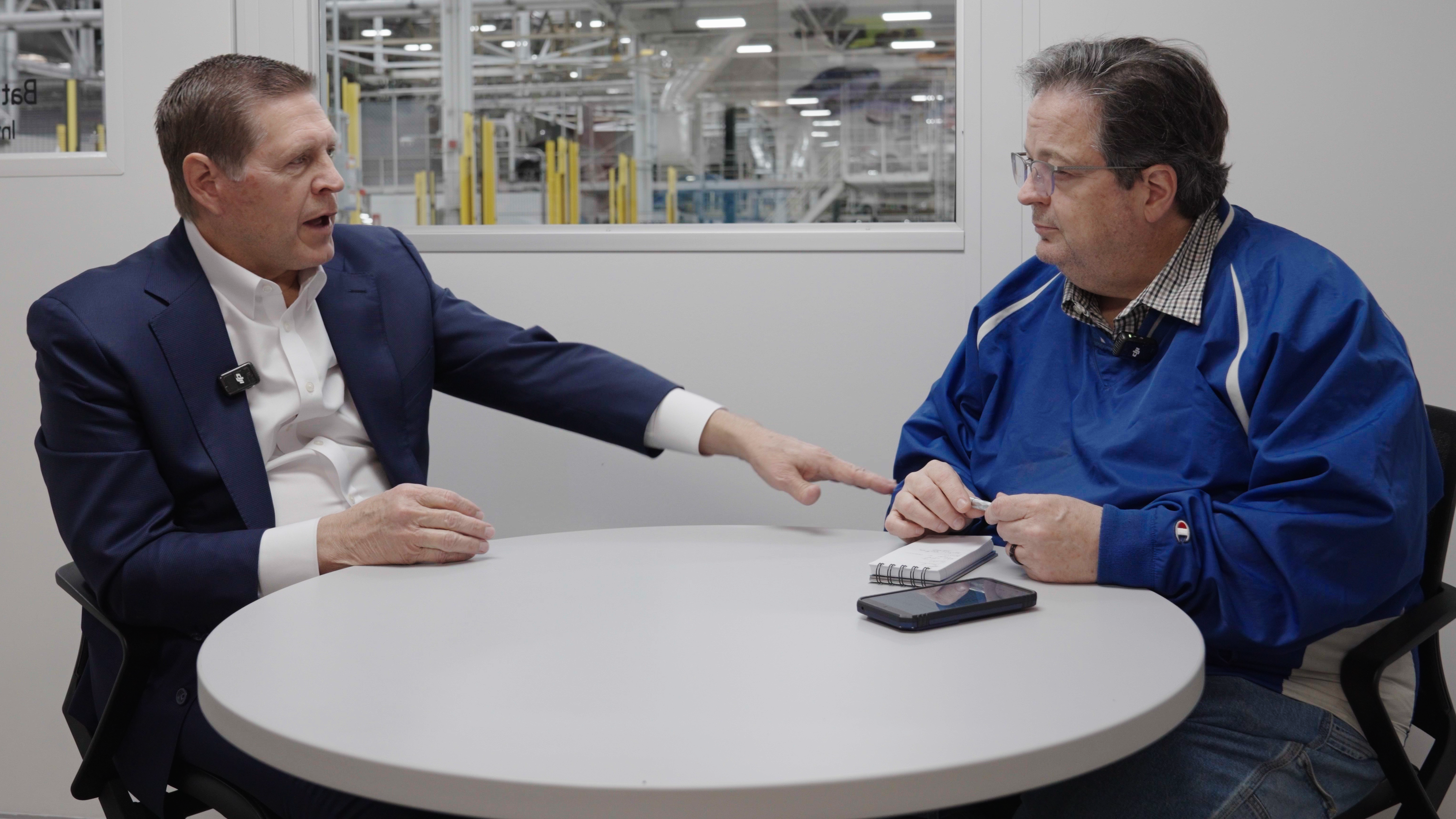
Mark Templin, Toyota Motor North America's chief operating officer, addressed the tariff environment this week, outlining a three-part response strategy: pricing adjustments, internal efficiency improvements, and changes to the manufacturing footprint. His comments suggest that Japanese automakers broadly are in a period of recalibration, making high-risk investments like a new EV joint venture harder to sustain.
A Warning Sign for Tech-Auto Partnerships
The failure of the Afeela project is being watched closely as a data point about the viability of technology company forays into automotive manufacturing. Several high-profile entrants — including Apple's decade-long and ultimately abandoned Project Titan — have discovered that the automotive industry's manufacturing complexity, capital intensity, and regulatory burden create barriers that are not easily overcome by software and design expertise alone.
Sony Honda Mobility's difficulties do not invalidate the thesis that vehicles will increasingly resemble computing platforms with wheels. But they suggest that the transition requires more than a compelling vision — it demands either deep manufacturing capability or a stable industrial partner willing to absorb the losses of an extended product development cycle. Honda's pullback indicates that Japanese automakers are becoming less willing to absorb those costs in a period of compressed margins and market uncertainty.
What Comes Next for Both Companies
Sony has not announced a successor strategy for its automotive ambitions, and the company has declined to comment on whether it will seek a new manufacturing partner or exit the vehicle business entirely. Honda is continuing to pursue EV development through its own internal programs and its separate partnership with General Motors, which has also experienced significant turbulence in recent years.
For consumers who had been following the Afeela closely — the vehicle had attracted genuine interest for its interior design and the promise of a deeply integrated Sony entertainment and gaming experience — the cancellation means the product will not reach the market. Its commercial failure speaks less to its design than to the economic and strategic pressures that made its production unsustainable in the current environment.
This article is based on reporting by Automotive News. Read the original article.
Originally published on autonews.com