A Historic Ban Reaches Its End
Switzerland is formally ending the circuit-racing ban it put in place after the 1955 Le Mans disaster, a prohibition that lasted for 71 years and helped make the country an outlier in European motorsport. According to The Drive’s report, Switzerland’s Federal Council declared on Wednesday that the ban will end effective July 1.
The decision closes one of the longest-running legal shadows in modern racing. The original ban followed the catastrophe at Le Mans in 1955, where more than 80 people were killed. In the decades since, Switzerland allowed some forms of motorsport to continue, but closed-circuit racing remained largely off-limits.
The Ban Had Already Started to Fracture
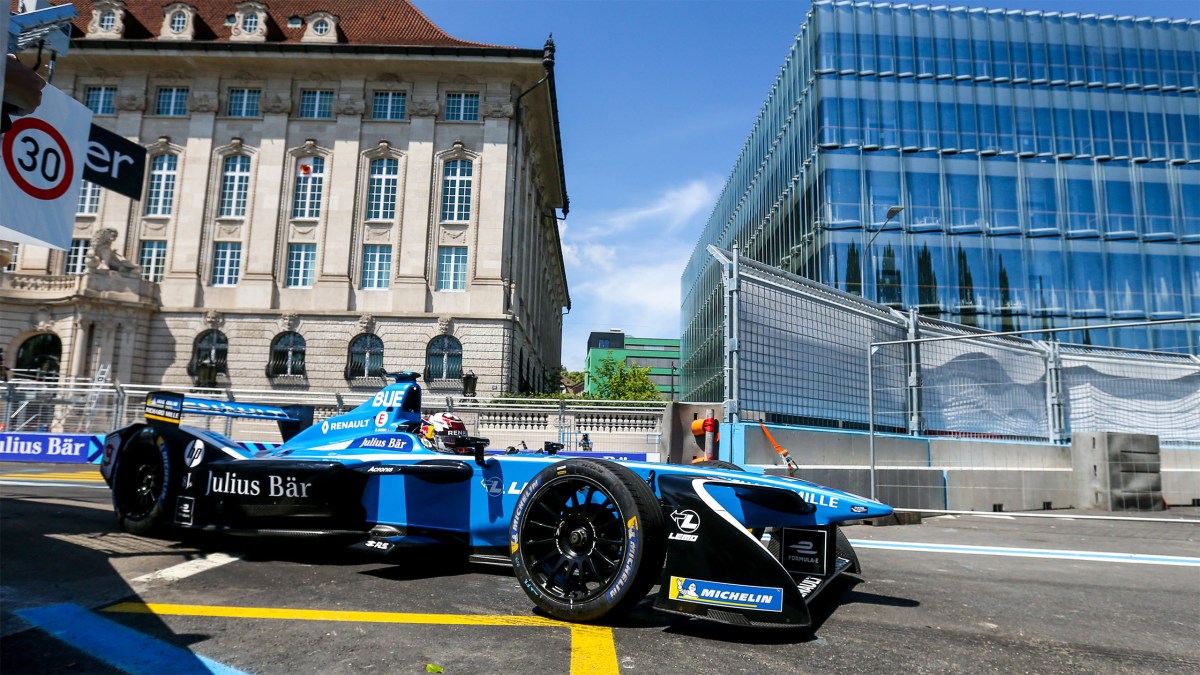
The headline change may feel abrupt, but it did not emerge from nowhere. Switzerland had already begun carving out exceptions in recent years. Formula E staged races in Zurich in 2018 and again in 2019 under an exemption for electric vehicles. Those events showed that the country was willing to test a controlled return to circuit competition, even if only in limited form.
The report also notes that several laws had previously been overturned or eased, setting the stage for a broader reversal. In that sense, the July 1 decision is less a sudden about-face than the culmination of a gradual normalization process.

What Changes Now
The most important structural shift is that Switzerland’s 26 cantons will now have individual authority to decide whether to allow closed-track racing within their own borders. That devolves the issue from a national prohibition to a regional policy choice.
For organizers and sanctioning bodies, that means the legal barrier is gone but practical uncertainty remains. A national yes does not automatically create a race calendar. It creates permission for local political and infrastructure questions to begin.
The Limits of Immediate Hype
Any talk of a near-term Swiss Formula 1 return should be treated cautiously. The source material itself points out why. Racetracks take time to build, especially facilities that would meet the standards required for top-tier international series. Even with the legal ban gone, a Swiss Grand Prix would still depend on local support, land use, financing, environmental review, and years of development.
That does not make the change symbolic. It makes it foundational. Policy can unlock a path without guaranteeing the destination. The significance here lies in restoring the possibility of circuit racing, not in delivering a ready-made major event overnight.
Why the Timing Matters
The decision arrives after a period in which motorsport has broadened its appeal and diversified its formats. Formula E’s Swiss appearances were one visible sign of that shift. They also helped prove that public and political acceptance of racing could be reconsidered under modern conditions.
Switzerland’s move reflects how much the safety, image, and economics of motorsport have changed since the mid-20th century. While the memory of Le Mans 1955 remains central to the story, the present-day racing landscape is built around a different regulatory and technological framework. Ending the ban acknowledges that the state no longer sees a blanket prohibition as the right instrument.
A Country With Racing History, but No Circuit Freedom
The ban always sat uneasily with Switzerland’s place in motorsport culture. The country has produced notable drivers including Clay Regazzoni and Sébastien Buemi. Yet for decades it could contribute talent to the sport without allowing one of its most prominent forms at home.
That contradiction is now resolved at the legal level. Switzerland can once again permit circuit racing, even if the shape of that return varies sharply from canton to canton.

The Real Story Is Optionality
The most consequential result of the Federal Council’s decision is not spectacle. It is optionality. Promoters, local governments, and investors can now consider projects that were previously blocked on principle. Some cantons may decide the environmental, financial, or political tradeoffs are not worth it. Others may see opportunity in national or international events.
Either way, the center of gravity has shifted. A prohibition tied to one of motorsport’s darkest days is ending, and the future of racing in Switzerland will now be shaped by contemporary local decisions rather than a national ban inherited from 1955.
This article is based on reporting by The Drive. Read the original article.
Originally published on thedrive.com