Renault pauses a key production decision in Spain
Renault has suspended plans to allocate new vehicle production in Spain after talks with unions failed to produce an agreement on pay and broader working conditions. The move puts a cloud over future manufacturing decisions at a time when automakers are under pressure to keep plants competitive while managing labor costs and model transitions.
The decision does not concern a minor operational detail. Production allocation determines where future vehicles will be built, what factories will remain central to a company’s industrial footprint, and how secure local employment looks over the medium term. By halting those plans, Renault has signaled that the labor dispute has become serious enough to affect investment and manufacturing strategy.
Talks broke down over wages and conditions
According to the report, Renault and unions were unable to reach agreement on compensation and overall working conditions. That breakdown prompted the company to stop moving forward with plans to assign new vehicles for production in Spain.
In industrial negotiations, wages are often only one part of the equation. Working conditions can shape staffing, schedules, flexibility and the broader cost structure of a plant. When those issues remain unresolved, automakers can delay or redirect future production decisions rather than commit to new programs under uncertain terms.
Why production allocation matters
For carmakers, the assignment of a new model is one of the most consequential choices in manufacturing. It can secure years of output for a plant, justify supplier investment and reinforce a country’s role inside a wider European production network. When those decisions are paused, the uncertainty extends well beyond the factory floor.
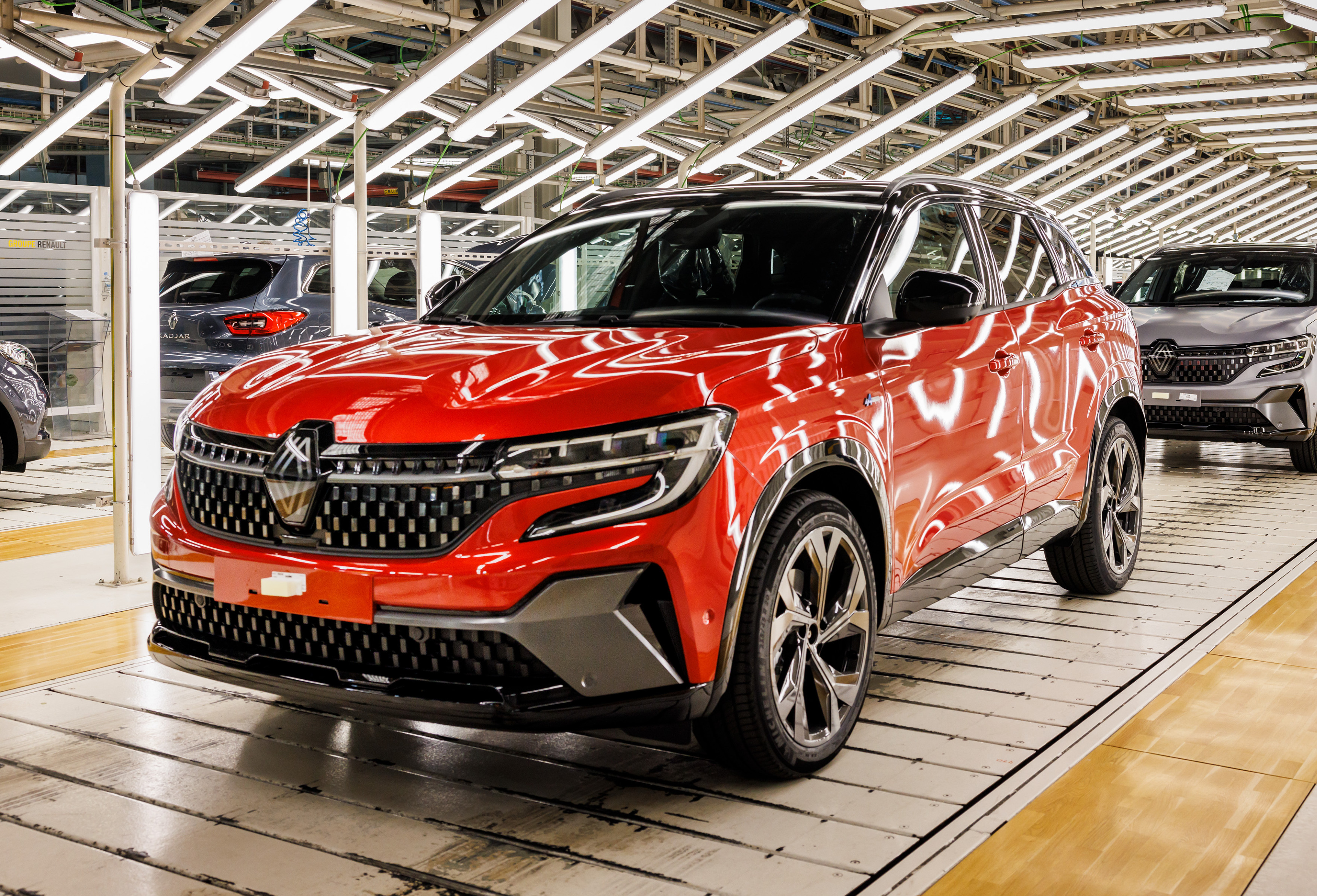
Spain has long been an important vehicle manufacturing base, and Renault already builds models there, including the Austral at its Palencia plant. The fact that current production continues does not diminish the importance of the company’s latest signal. A pause in future allocation means the next wave of work is no longer assured.
A labor dispute becomes a strategic issue
Automotive manufacturing depends on long planning cycles. Vehicle programs are mapped years in advance, and companies usually want labor agreements settled before committing fresh capacity. Renault’s decision suggests the dispute has crossed from routine bargaining into a strategic concern tied to plant economics and execution risk.
That matters because automakers are balancing several pressures at once: competition, technology shifts, capital discipline and regional manufacturing efficiency. If management concludes that a labor agreement cannot support those goals, production plans can stall quickly.
The immediate message to workers and suppliers
The suspension raises the stakes for both sides. For unions, it demonstrates that compensation and workplace negotiations may now influence not only present terms but also the future product pipeline. For Renault, it is a way to show that unresolved labor issues can directly shape where the company places its next manufacturing commitments.
Suppliers and local stakeholders will also be watching closely. New vehicle allocations create downstream demand across parts makers, logistics providers and regional industrial ecosystems. A delay at the top of the chain can ripple outward even before any final production decision is made.
What comes next
The report does not say that Renault has canceled Spanish production outright. It says the company has halted plans to allocate new vehicles after failing to secure agreement with unions. That leaves open the possibility that negotiations could resume and that future production decisions could move forward if a deal is reached.
For now, though, Renault’s message is direct: labor terms are tied to industrial commitments. Until the company and unions close the gap on pay and working conditions, Spain’s hopes of landing the next round of Renault production appear to be on hold.
This article is based on reporting by Automotive News. Read the original article.

Originally published on autonews.com