Starbase growth is colliding with life on the ground
Dozens of homeowners living near SpaceX’s Starbase facility in South Texas have sued the company, alleging that rocket launches and related noise have damaged their property and disrupted daily life. According to the lawsuit, filed on April 30, residents say sonic booms and other noise-related effects from SpaceX operations have gone beyond mere inconvenience and crossed into repeated physical harm.
The case points to a tension that has been building alongside the rapid expansion of commercial launch activity. SpaceX is not operating a small regional test site. It is developing Starship, a giant next-generation launch system designed for missions to the Moon, Mars, and beyond. That scale matters. The suit argues that older safety-distance and zoning assumptions no longer fit modern heavy-lift rocketry, and that the company pushed ahead without waiting for rules and evidence to catch up.
For the plaintiffs, the issue is local and immediate. They say they once lived in a comparatively quiet coastal community and now live beside one of the most powerful launch operations on Earth. For SpaceX, Starbase is central to a program that has become one of the most closely watched engineering efforts in the world. The lawsuit forces those two realities into the same frame.
A lawsuit shaped by the scale of Starship
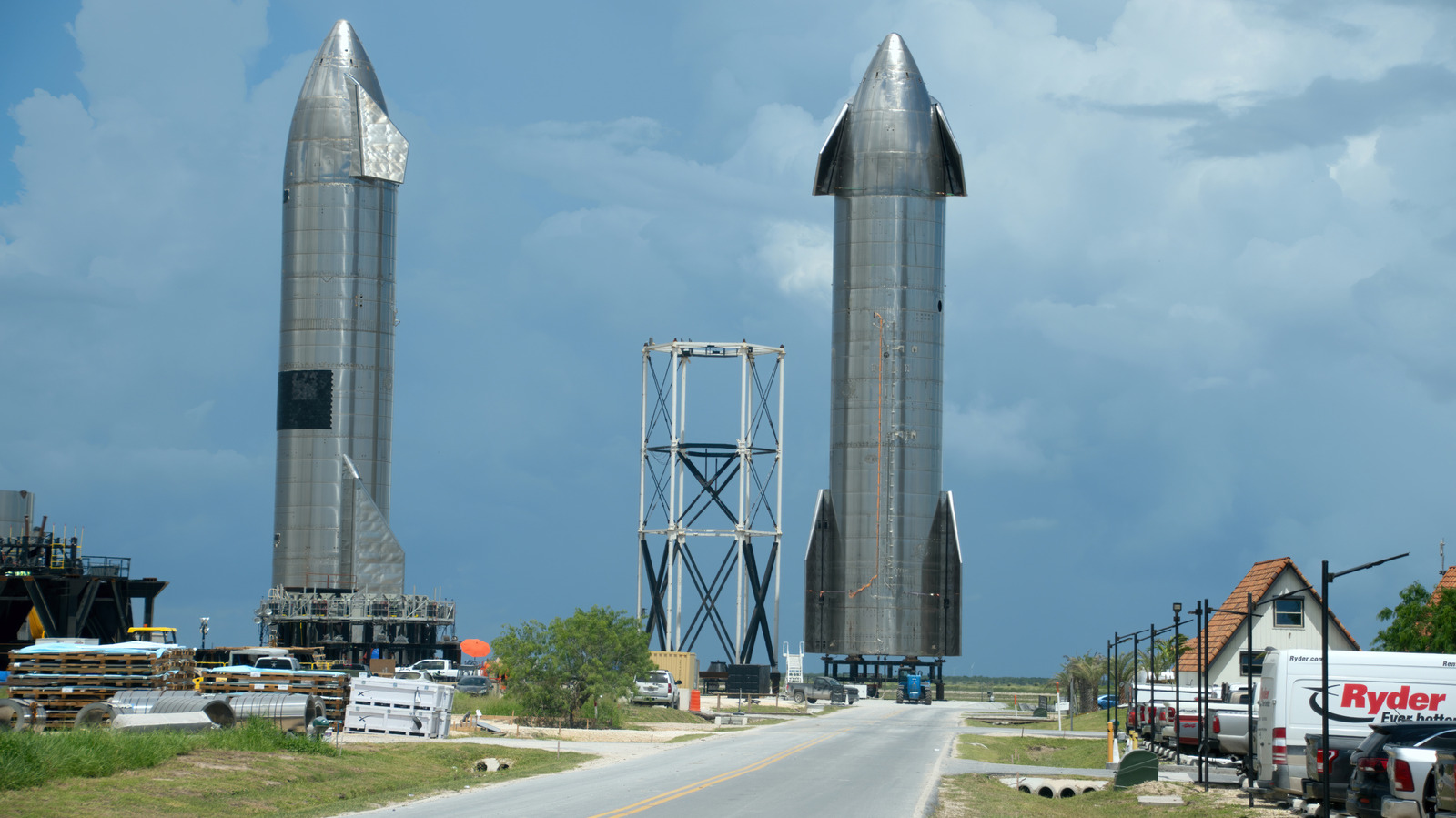
At the center of the dispute is Starship itself. The vehicle is described as delivering more than 16 million pounds of thrust at launch, making it a radically different presence from the smaller rockets that many communities have historically been asked to accommodate. The complaint says that difference is not abstract. It translates into pressure, vibration, and noise on a level residents argue existing oversight never meaningfully contemplated.
The source text cites research finding that a single Starship launch, in terms of noise and pressure, was equivalent to roughly four to six Space Launch System launches and at least 10 Falcon 9 launches. Even allowing for different methods of comparison, the point is straightforward: Starship belongs to a different launch class, and that changes the risk profile for nearby homes and neighborhoods.
The suit also alleges that SpaceX proceeded with “conscious indifference” to the rights, safety, or welfare of nearby residents instead of first developing better data for this new operating environment. That language is notable because it frames the case as more than a dispute over nuisance. It suggests the plaintiffs want the court to view the harm as foreseeable and insufficiently mitigated.
SpaceX has not only built a launch site; it has transformed the surrounding landscape into a company-centered spaceport ecosystem. In practical terms, that means residents are not merely living near an airport-like industrial asset. They are living beside an active experimental program whose test cadence, vehicle size, and operational ambitions continue to evolve.

The promise and instability of the Starship program
The legal challenge arrives at a moment when Starship remains both essential and unsettled. The rocket stands about 480 feet tall, and the source describes it as the largest rocket ever built. Its architecture is built around an unusually ambitious goal: full reusability for both the booster and the upper stage, with vehicles returning to Starbase after missions. If that model works, it could dramatically alter launch economics and mission frequency.
That promise explains why Starship matters far beyond Texas. NASA has contracted the vehicle for lunar landing work, reflecting the degree to which US civil space plans have become intertwined with SpaceX’s development schedule. At the same time, the program remains in a prototype phase and has experienced multiple test-flight failures. The source also notes that NASA reopened its Moon landing contract to other bidders, including Blue Origin, while a key enabling capability, orbital refueling, remains unproven.
Those details matter because they complicate the standard public-interest defense around major infrastructure. If a disruptive facility is supporting a mature, stable operation, regulators and courts often weigh that value one way. If the facility is serving an experimental system still trying to prove out core capabilities, the balance can look different. The plaintiffs’ complaint lands in that gray zone. Starship is important enough to attract national investment and attention, but still uncertain enough that its ultimate operating footprint is not yet fully established.
A broader test for commercial space regulation
The case could become an early signal of how courts and regulators will handle the social costs of the new launch economy. Over the last decade, public discussion of private spaceflight has focused heavily on innovation, national competitiveness, and technical spectacle. Far less attention has been paid to what happens when increasingly frequent, increasingly powerful launches are placed close to existing communities.
That omission may become harder to sustain. The Starbase dispute suggests that legacy regulatory frameworks may have been built around older assumptions: fewer launches, lower thrust, more remote operations, and simpler relationships between operators and neighbors. Starship strains all of those assumptions at once. A site can now be at once a research complex, manufacturing hub, test range, and high-tempo launch center.
Whether the plaintiffs ultimately win damages or force a settlement, the lawsuit highlights a real governance problem. If vehicle power keeps increasing and launch cadence rises, communities will likely demand more explicit standards for blast effects, noise exposure, property monitoring, and compensation. That is especially true when development programs remain iterative and failure-tolerant by design.
For now, the case is a reminder that rockets do not affect only missions and markets. They also affect land use, insurance, housing, and the basic question of what people living nearby are expected to endure. Starship has been sold as a vehicle for a multiplanetary future. In South Texas, a court may now help decide what its terrestrial costs look like in the present.
Why this story matters
- The lawsuit turns launch noise and blast effects into a concrete legal issue rather than a background complaint.
- It raises the question of whether modern heavy-lift rockets fit regulatory systems designed for earlier generations of space activity.
- It arrives while Starship remains strategically important but technically and operationally unsettled.
This article is based on reporting by Jalopnik. Read the original article.

Originally published on jalopnik.com