Massive Recall Targets Display Failures
Ford Motor Company has issued a recall affecting approximately 1.7 million vehicles in the United States due to problems with touchscreen displays and backup cameras. The recall addresses a defect that can cause the backup camera image to fail to display when the vehicle is shifted into reverse, potentially leaving drivers without a critical safety feature.
The recall is one of the largest automotive recalls announced this year and affects multiple Ford and Lincoln models across several model years. The scope of the recall underscores how pervasive the affected component is across Ford's vehicle lineup.
The Safety Concern
Backup cameras became mandatory safety equipment on all new vehicles sold in the United States starting in May 2018, following a federal rule designed to reduce injuries and deaths caused by backover accidents. When these cameras fail to display an image, drivers lose visibility directly behind the vehicle, particularly in the blind zone that mirrors cannot cover.
The National Highway Traffic Safety Administration has been tracking complaints related to Ford's backup camera and touchscreen systems for some time. The recall follows a pattern of issues with Ford's SYNC infotainment system that have generated consumer complaints and previous technical service bulletins.
Technical Details
The root cause of the failures appears linked to the vehicle's central touchscreen display unit, which serves as the primary interface for multiple vehicle systems including the backup camera feed, climate controls, and navigation. When the display unit experiences a software or hardware malfunction, the backup camera image may fail to render even though the camera itself is functioning properly.
In some cases, the touchscreen may go completely blank or become unresponsive, affecting not just the backup camera but all functions routed through the display. Ford has identified a fix that involves both software updates and, in some cases, hardware replacement of the display module.
Affected Models and Fix
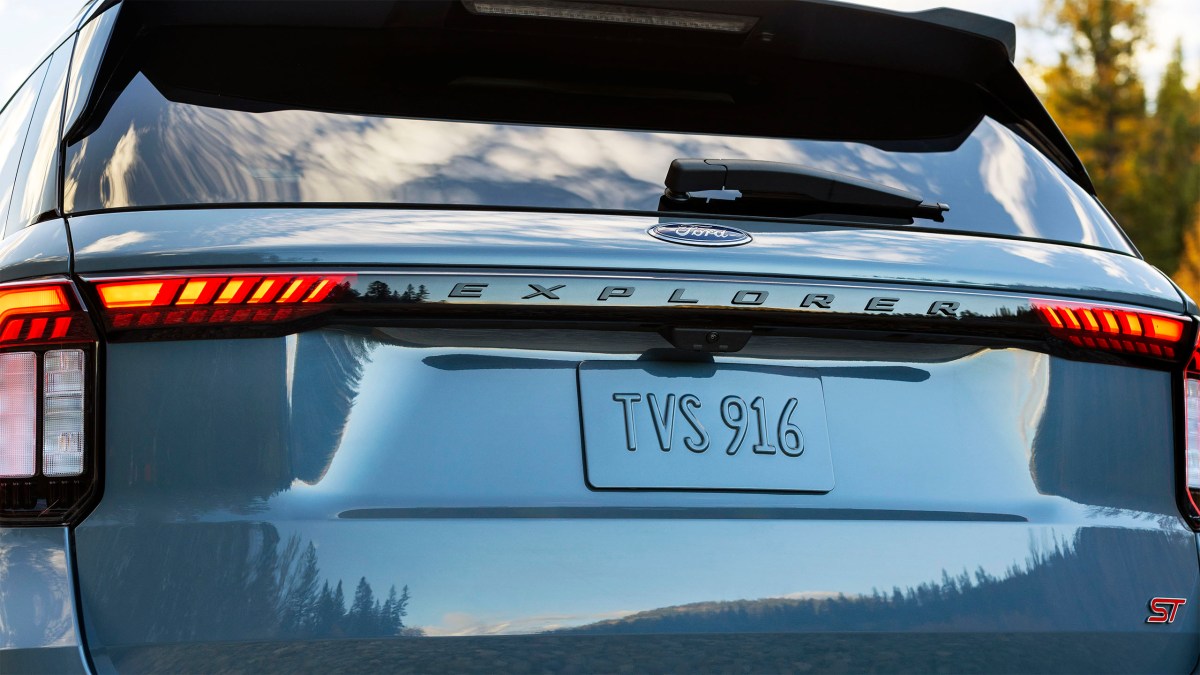
The recall covers a wide range of Ford and Lincoln vehicles including popular models such as the Explorer, Escape, Edge, and various Lincoln SUVs. The specific model years and VIN ranges are being communicated directly to affected vehicle owners through Ford's standard recall notification process.
Owners of affected vehicles will be able to bring their cars to authorized Ford dealerships for the repair at no cost. Ford expects the fix to involve a software update for most vehicles, with a smaller percentage requiring physical replacement of the display unit. The company has begun stocking replacement parts in anticipation of the repair volume.
Pattern of Infotainment Issues
This recall adds to a series of quality concerns around Ford's SYNC infotainment platform. The system, which has evolved through multiple generations, serves as the central nervous system for vehicle connectivity, entertainment, and increasingly, safety-critical displays like the backup camera feed.
The automotive industry's trend toward consolidating vehicle functions into large touchscreen displays has created a single point of failure that can affect multiple systems simultaneously. When a traditional gauge cluster fails, the backup camera typically has its own dedicated display. When a central touchscreen fails, everything goes dark at once.
Ford's competitors have faced similar challenges. Tesla has issued software updates to address display issues, and several other manufacturers have dealt with infotainment-related recalls as vehicles become more dependent on software-driven systems.
Consumer Impact
For the 1.7 million affected vehicle owners, the immediate concern is ensuring the backup camera functions reliably until the recall repair can be completed. Ford has advised owners to exercise extra caution when reversing, using mirrors and physically checking behind the vehicle as a supplement to the camera.
The recall also has financial implications for Ford, which will bear the cost of parts and labor for all affected vehicles. Large-scale recalls involving electronic components and software can be particularly expensive, though they are an accepted cost of doing business in an industry where safety is paramount.
This article is based on reporting by The Drive. Read the original article.
Originally published on thedrive.com