A Hidden Price Increase Gets Harder to Ignore
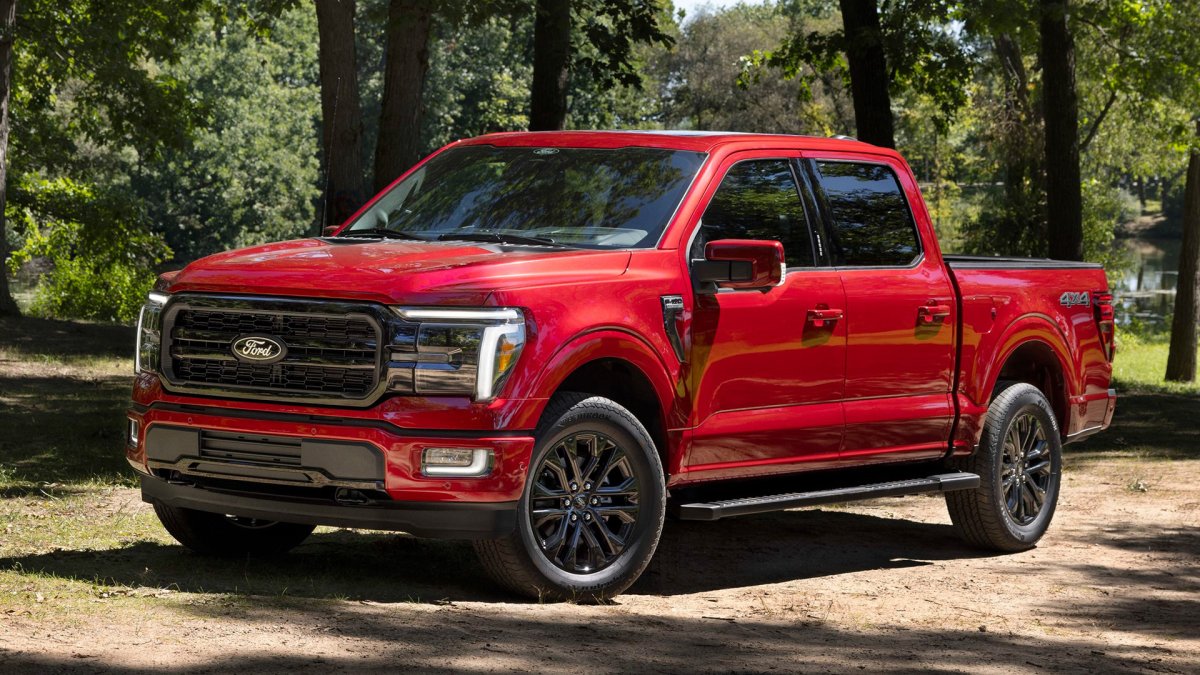
Ford and General Motors have raised destination charges on many of their full-size pickups and SUVs to $2,795, adding yet another cost pressure point for buyers in one of the most profitable segments of the US auto market.
Destination fees are mandatory charges meant to cover shipping vehicles from factory to dealer. They have long been part of window-sticker pricing, but because they sit outside the headline base price, they can function as a quieter way to move total transaction costs higher. The latest increases at Ford and GM make that tactic harder to overlook.
According to the supplied source text, the $2,795 fee now applies across multiple brands at the two automakers, including Lincoln on Ford’s side and Chevrolet and GMC at GM. Cadillac’s Escalade carries an even higher destination fee of $2,895.
Why the Increases Matter
A few hundred dollars may not sound decisive on vehicles that often sell for far more than $50,000. But destination charges matter for two reasons. First, they are unavoidable. Unlike many options, packages, or dealer add-ons, they apply to every buyer. Second, they have been rising quickly.
The source text says destination charges have climbed by as much as 48% since 2021. That is a substantial jump in a fee category that many consumers barely track. It also reflects a broader trend across the auto industry, where manufacturers have fewer places left to hide price increases after years of inflation, supply-chain disruption, and shifting cost structures.
When automakers raise destination fees instead of changing a vehicle’s advertised starting price, they can preserve the appearance of pricing stability while still collecting more revenue per unit.
What the Companies Are Saying
Neither company offered a highly detailed explanation for the latest increases. Ford said the charges reflect factory-to-dealer shipping costs, are reviewed and adjusted as needed, and are calculated as an average so customers pay the same amount regardless of where they live. GM said it reviews and adjusts destination and freight charges in relation to market conditions and costs.
Those statements are consistent with industry practice, but they also leave open a basic question: how much of the increase is about real logistics expense and how much is about pricing strategy? The supplied source text does not provide a breakdown, and the companies did not specify the exact causes.
The current tariff environment was mentioned as an additional headwind, though the source text says spokespeople declined to directly tie the latest increase to one single factor.
How Ford and GM Compare With Rivals
Ford and GM are not alone in charging large shipping fees on full-size trucks, but they are now at the top of the pack among the examples provided. Ram was charging $2,595 for a Ram 1500 at the time of publication, while Toyota was charging $2,095 to ship a Tundra.
Those are still high numbers, and the gap of several hundred dollars may not decide every purchase. But in a market where monthly payments remain elevated and buyers scrutinize every line item, the difference is meaningful. It also creates room for competitors to advertise lower effective entry costs even if vehicle MSRPs remain similar.
The source text notes that Ram and Toyota could also raise their fees later. That possibility matters because it highlights a bigger reality: destination charges may be rising across the sector, not just at two companies.

What It Says About the Truck Market
Full-size pickups and SUVs remain central to Detroit’s business model. They are high-margin vehicles, often heavily optioned, and they serve both consumer and commercial buyers. That makes them logical places to push pricing higher, especially when demand has historically been resilient.
But there are limits. Truck affordability is already under pressure from higher vehicle prices, higher financing costs, and higher insurance and maintenance expenses. Every added fee compounds that problem. Even buyers who can absorb the increase may come away with a different perception of value.
Destination charges also shape trust. Consumers may accept that shipping costs money, but they are less likely to welcome mandatory fees that rise faster than they expect and are difficult to compare across brands without reading the fine print.
The Bigger Pricing Lesson
This story is not just about shipping. It is about how automakers present price. Base MSRP still matters in advertising and product positioning, but the real cost of buying a vehicle is increasingly spread across freight charges, optional packages, dealer practices, and finance terms.
That means destination fees deserve more attention than they typically receive. They are one of the cleanest examples of how the automotive industry can move prices upward without rewriting the entire marketing pitch around a model line.
For buyers of large trucks and SUVs, the immediate effect is straightforward: vehicles from Ford and GM now carry an even higher unavoidable cost before taxes, dealer fees, or options are added. For the broader market, the signal is that pricing pressure in the truck segment remains very much alive.
Why It Matters
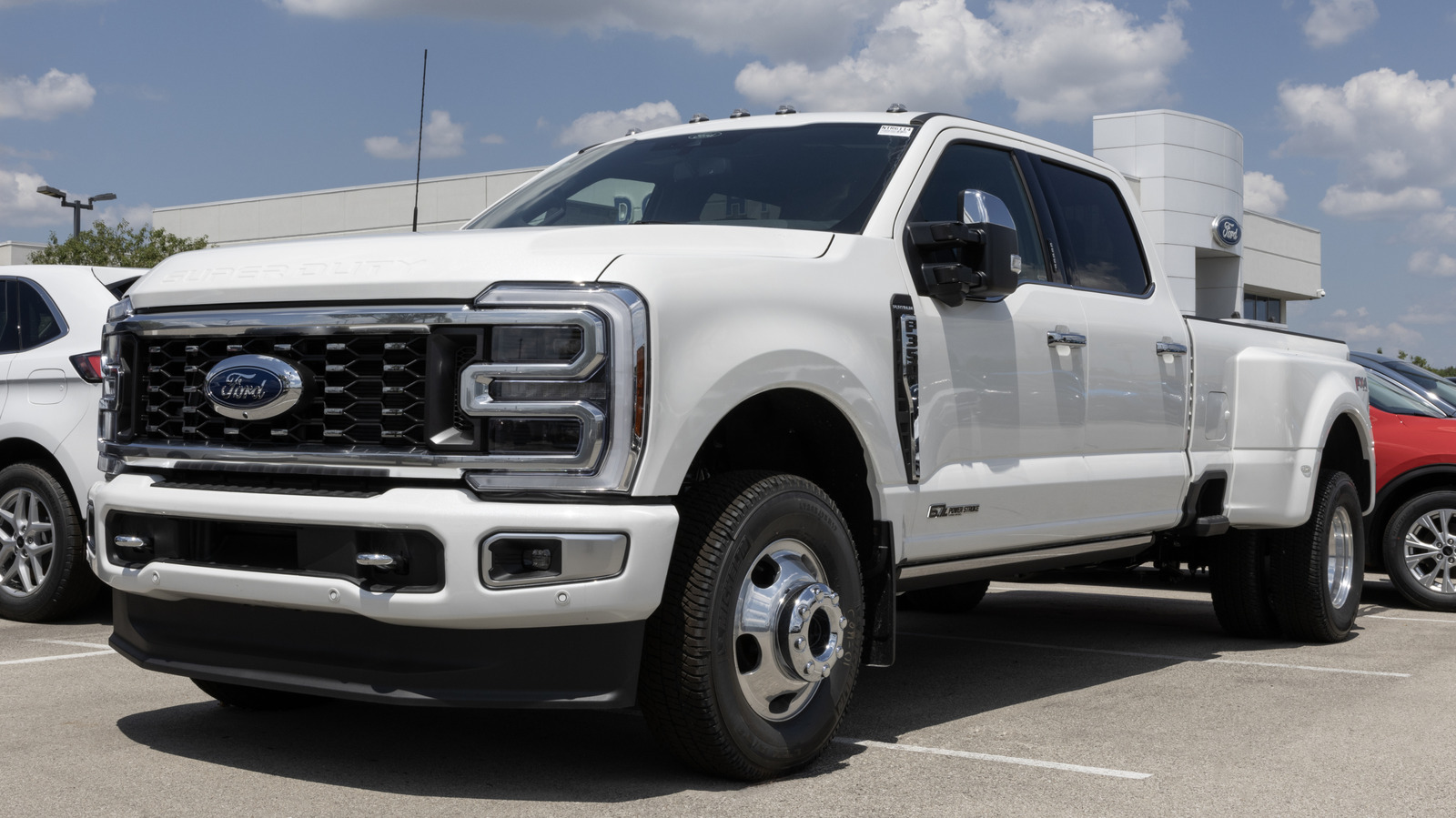
- Ford and GM have raised mandatory destination charges on many full-size trucks and SUVs to $2,795.
- Destination fees have increased sharply since 2021, becoming a more visible part of overall vehicle inflation.
- The change shows how automakers can raise effective prices without relying only on higher advertised base MSRPs.
This article is based on reporting by The Drive. Read the original article.
Originally published on thedrive.com