Ferrari’s EV Debut Comes With a Different Kind of Performance Signature
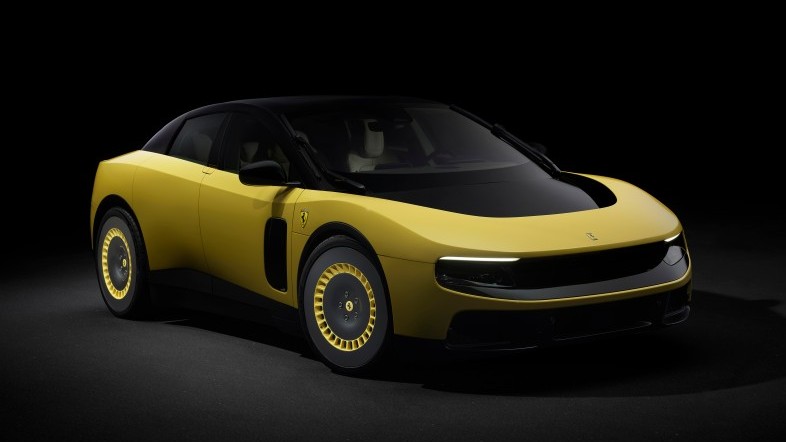
Ferrari’s first electric vehicle is arriving without one of the brand’s most recognizable traits: the rumble of a combustion engine. In the Luce, Ferrari has chosen not to simulate a traditional V-12 note. Instead, it is building an audio identity around the sounds produced by the car’s electric motors and related mechanical components.
That decision, described in reporting from Automotive News, is more than a cosmetic detail. It shows how a performance brand that has spent decades linking emotion to engine sound is trying to carry that emotional connection into an electric era without pretending the technology is something else.
The Luce is a landmark product for Ferrari simply because it is the company’s first EV. But the way Ferrari is handling noise may end up being nearly as consequential as the powertrain itself. Rather than treat sound as a problem to mask or a theater trick to solve with imitation, Ferrari appears to be treating the car’s real mechanical character as material worth shaping and presenting.
A Sound Strategy Built From Hardware, Not Nostalgia
According to the source text, signals from an accelerometer installed in the rear axle are processed through filtering and equalization so the resulting sound can be heard inside and outside the car. The company is therefore not chasing a synthetic recreation of a gasoline engine. It is using actual vibration data from the EV’s components and converting that into something intentional and audible.
That distinction matters. Many EV sound discussions quickly collapse into a simple question of whether manufacturers should imitate the past. Ferrari’s answer, at least in this launch, is that it would rather amplify what the car really is. The approach suggests the company sees authenticity and curation as compatible: the underlying source is mechanical and real, but the presentation is still engineered.
For Ferrari, that may be the only credible route. A direct imitation of a V-12 could have been read as defensive, even theatrical. By contrast, using the electric drivetrain’s own vibrations allows the company to argue that the Luce has its own personality, one tied to its architecture rather than to a memory of older Ferraris.
Why the Decision Matters Beyond One Vehicle
The Luce reportedly delivers 1,050 electric horsepower, placing it squarely in the realm of extreme performance. Cars at that level are sold not only on numbers, but on feeling. In internal-combustion supercars, sound has historically been part of the feedback loop that tells a driver what the machine is doing. EVs change that relationship because they deliver speed differently and often more quietly.
Ferrari’s approach suggests that silence was never going to be enough for a brand built on sensory drama. But it also suggests the company does not believe the answer is simply to paste a familiar soundtrack over unfamiliar hardware. Instead, the Luce becomes a test case for whether EV makers can create new forms of performance emotion by exposing and refining signals already present in the machine.
That makes this more than a niche design choice. If the strategy works, it offers a template for other premium manufacturers that want electric products to feel distinctive without relying on obvious nostalgia. If it fails, it will reinforce the view that iconic performance brands still have not solved one of the hardest parts of their electric transition: how to make new propulsion feel as emotionally legible as the old one.
Ferrari Is Framing the EV Era on Its Own Terms
The reporting also notes that Ferrari is amplifying mechanical sounds from the motors and other components rather than trying to imitate a combustion roar. That framing is important because it positions the Luce as an EV that is not apologizing for being electric. Ferrari is not presenting the car as a substitute for a gasoline flagship. It is presenting it as a Ferrari that happens to express itself through different physical cues.
For buyers, that may become one of the key dividing lines in the luxury EV market. Some products are likely to emphasize smoothness, quietness, and insulation. Others will try to preserve the theater associated with older high-performance cars. Ferrari appears to be seeking a middle path: still dramatic, still engineered for emotional impact, but grounded in the actual behavior of the electric system.
That may also help explain why sound treatment is worth highlighting at launch. In a first EV from a company with Ferrari’s heritage, every visible and audible choice becomes symbolic. The company is not only introducing a car; it is making a statement about what parts of its identity it believes can survive electrification intact.

The Broader Industry Question
The Luce will inevitably be judged on range, acceleration, charging, design, and handling. But Ferrari’s sound decision points to a broader unresolved issue across the industry: whether EV performance should be interpreted mainly through raw output or through a fuller sensory experience.
Ferrari’s answer is clear enough from the details available so far. The company believes sound still matters. It simply does not believe that sound has to come from an internal-combustion script. By turning rear-axle vibration into an audible signature, Ferrari is trying to write a new one.
That makes the Luce notable even before deeper road-test judgments arrive. The car is not just a powertrain shift for Ferrari. It is an attempt to define how one of the world’s best-known performance brands can sound, and therefore feel, when the engine note that built its legend is no longer there.
This article is based on reporting by Automotive News. Read the original article.
Originally published on autonews.com