A Chaotic 110th Running
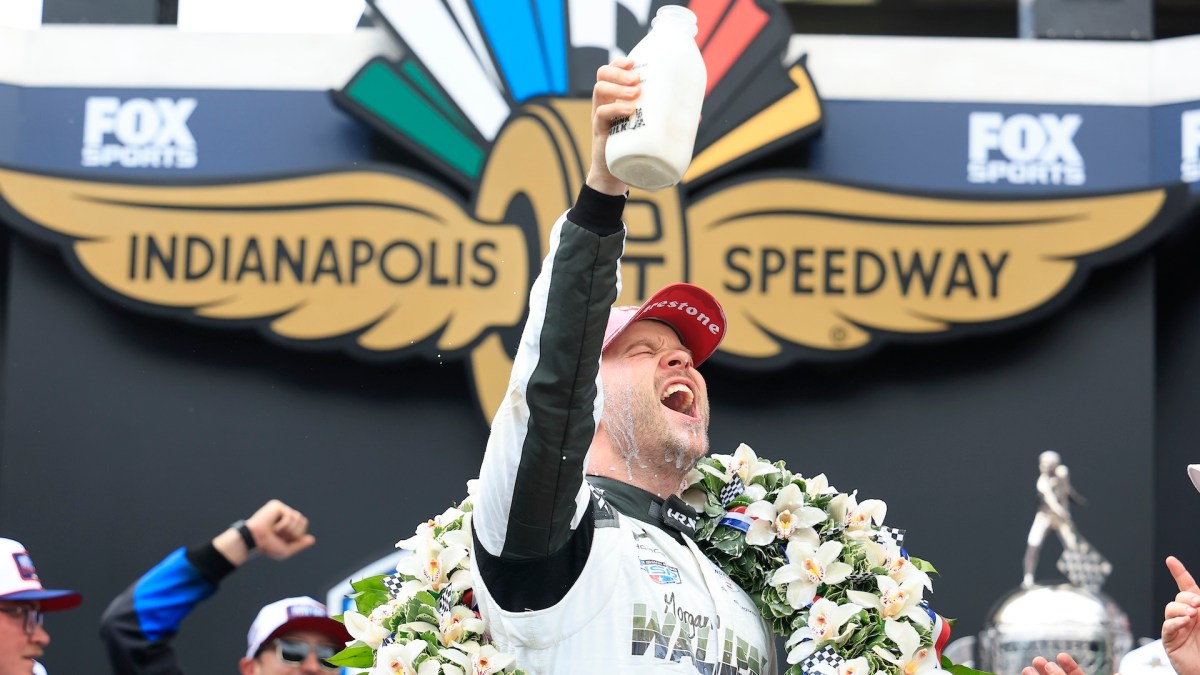
The Indianapolis 500 has a long tradition of turning small moments into race-defining swings, and the 110th running followed that pattern from the opening laps. Felix Rosenqvist ultimately claimed victory in the 2026 Indy 500, giving Meyer Shank Racing its second win in the event, but the path there ran through an afternoon shaped by aggressive early battles, repeated cautions, mechanical failures, and a weather interruption that reset the field's rhythm.
The race began on time despite rain concerns lingering over the weekend. That alone felt consequential. Indianapolis weather often looms as a tactical factor before the green flag ever waves, affecting setup choices, pit timing, and the pressure on teams to seize track position before conditions shift. Once the race got underway, it quickly justified the anticipation.
Early Duel at the Front
Polesitter Alex Palou launched into the lead in the No. 10 Chip Ganassi Racing Honda, but the advantage was never secure. Alexander Rossi, starting second in the No. 20 Ed Carpenter Racing entry, pressed him immediately. According to The Drive's account, Rossi swept around last year's winner heading into Lap 2, only for Palou to use the slipstream and answer back into Lap 3. What followed was a rapid-fire exchange in which the pair traded the lead almost lap by lap.
That kind of opening sequence can define the tone of the Indianapolis 500. Leading early is valuable, but so is avoiding the dirty air and strategic burden that come with spending too much of the race at the front. Palou and Rossi's fight was compelling because it balanced spectacle with calculation. Neither driver could simply break away, and both had to manage the risk of burning equipment or track position too early.
The Cautions Begin
The first caution came on Lap 18 after contact involving Katherine Legge and Ryan Hunter-Reay. Hunter-Reay lost the rear of his car and hit the wall, creating smoke that Legge could not avoid. She then hit the inside wall while trying to avoid a more direct collision. Both drivers were extracted unharmed, but the incident immediately pushed strategy into view as the pit window opened under yellow and most of the field chose to take service.
The restart did not settle the race for long. Green-flag running resumed on Lap 27, only to be interrupted again when Ed Carpenter hit the wall after a three-wide run into Turn 1 with insufficient space. That crash opened the door for Romain Grosjean to lead the Indy 500 for the first time in his career, another reminder of how quickly Indianapolis can reorder the narrative.
Attrition Reaches the Favorites
As the race approached the 200-mile mark, Palou was again in a fight, this time with teammate Scott Dixon. The two Ganassi drivers traded the lead while also dealing with the aerodynamic and strategic consequences that come from running first. Then another lengthy caution changed the complexion of the event.
Will Power's No. 26 Andretti Global Honda suffered a mechanical issue and slowed on the back stretch before stopping near the pit exit on Lap 91. At nearly the same time, Rossi's day unraveled. He pulled into the pits with a smoking engine, bringing an end to a run that had made him one of the central figures of the race. Rossi had already been managing an injured right foot, and his retirement added another layer of frustration to a drive that had looked capable of turning into a serious victory bid.
The cleanup from the stoppage stretched on, and pit lane reopened with much of the field taking tires or fuel. Dixon won the race off pit road, appearing well placed for the next phase of the event.
Rain Rewrites the Script
Then the weather intervened. Shortly after that round of service, race control red-flagged the event on Lap 106 as rain began to fall. The stoppage was brief enough that engines were ordered to restart after only a few minutes, but the interruption still carried strategic weight. A red flag breaks momentum, changes tire and fuel windows, and creates a new mental race for drivers who must instantly switch from patience to aggression once the green returns.
At Indianapolis, those resets often matter as much as raw pace. A car that is merely competitive before a stoppage can become dangerous after one if the team interprets the new conditions well. Conversely, a favorite can lose the feel it had built over a long run. That unpredictability is one reason the 500 remains singular even in a motorsport calendar full of prestigious events.
Rosenqvist's Defining Day
The Drive's headline confirms Rosenqvist as the winner, and the broader account makes clear what that means in context. He emerged from a race shaped less by one dominant stint than by survival, positioning, and execution across a volatile afternoon. In an event where cautions and weather kept rebalancing the contest, the winning team had to remain adaptable as much as fast.
For Meyer Shank Racing, the result is significant. Indy victories reshape how teams are perceived, not only within the paddock but also by sponsors, engine partners, and top drivers considering their next move. A second 500 win reinforces the idea that the organization can convert opportunity on the sport's biggest stage.
The Enduring Formula of the Indy 500
This edition of the race delivered much of what keeps Indianapolis central to North American motorsport: elite pace at the front, incidents that scramble strategy, uncertainty imposed by weather, and the constant possibility that a strong run can end in seconds. Palou, Rossi, Dixon, Grosjean, and others all occupied critical chapters of the day, but Rosenqvist wrote the final one.
The 2026 Indianapolis 500 will be remembered not as a straightforward march by a single favorite, but as a contested, interruption-filled race in which composure and timing mattered as much as outright speed. That is often how Indianapolis decides its winners, and this year was no exception.
This article is based on reporting by The Drive. Read the original article.
Originally published on thedrive.com