A Once-Broad Market Has Become a Niche
Diesel power has not disappeared from the United States, but it has been compressed into a far smaller and more specialized market than it once occupied. According to the supplied source material, diesel-powered passenger cars have effectively vanished from the U.S. market, and diesel now persists mainly in pickup trucks, vans, and some SUVs. That shift captures a broader reordering of American vehicle demand under pressure from tougher emissions rules, the legacy of Dieselgate, and the accelerating rise of electric vehicles.
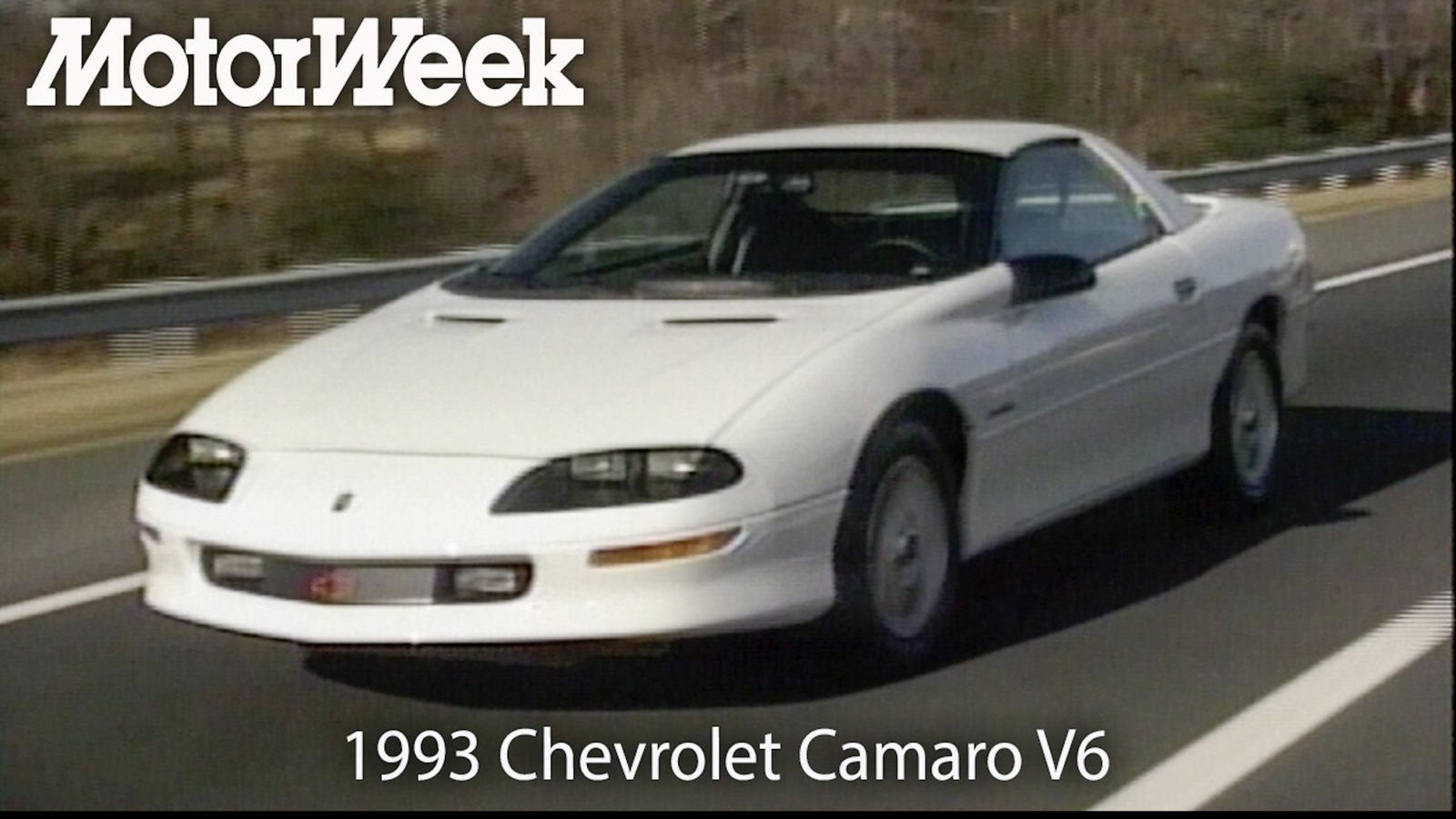
The numbers in the source help show the scale of the contraction. Diesel vehicles account for about 3% of new light-duty vehicle sales, a segment that includes passenger cars, SUVs, minivans, vans, and pickup trucks below heavy-duty thresholds. There have been no passenger cars with a diesel engine available in the U.S. since the 2019 Chevrolet Cruze, leaving utility-focused formats as the technology’s remaining light-duty foothold.
Why Diesel Still Hangs On
Diesel has retained loyal users for practical reasons. The source text notes that diesel engines can travel 20% to 30% farther than comparable gasoline engines on a gallon of fuel because of diesel’s higher energy density. For buyers doing long-distance hauling, towing, or frequent highway travel, that efficiency still matters. The engines also maintain a reputation for durability and low-end torque, qualities that remain especially valuable in work-oriented vehicles.
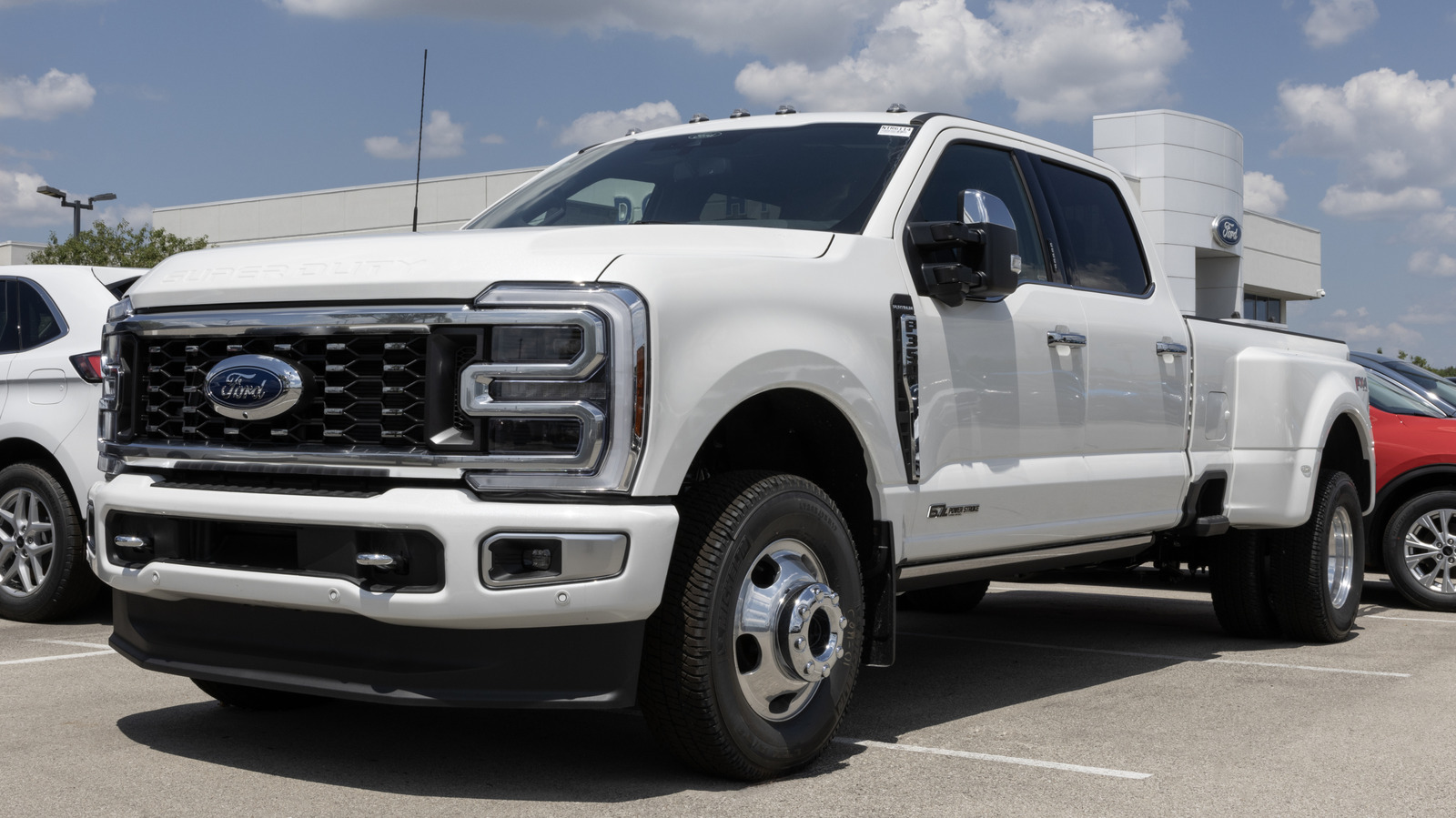
Those advantages explain why diesel continues to hold up better in the heavy-duty market. The source says diesel engines still outsell gasoline counterparts in heavy-duty applications because they provide the strength and efficiency needed for demanding jobs and extended driving. In other words, diesel’s cultural identity may have faded in consumer cars, but its industrial logic has not gone away.
The Remaining Players
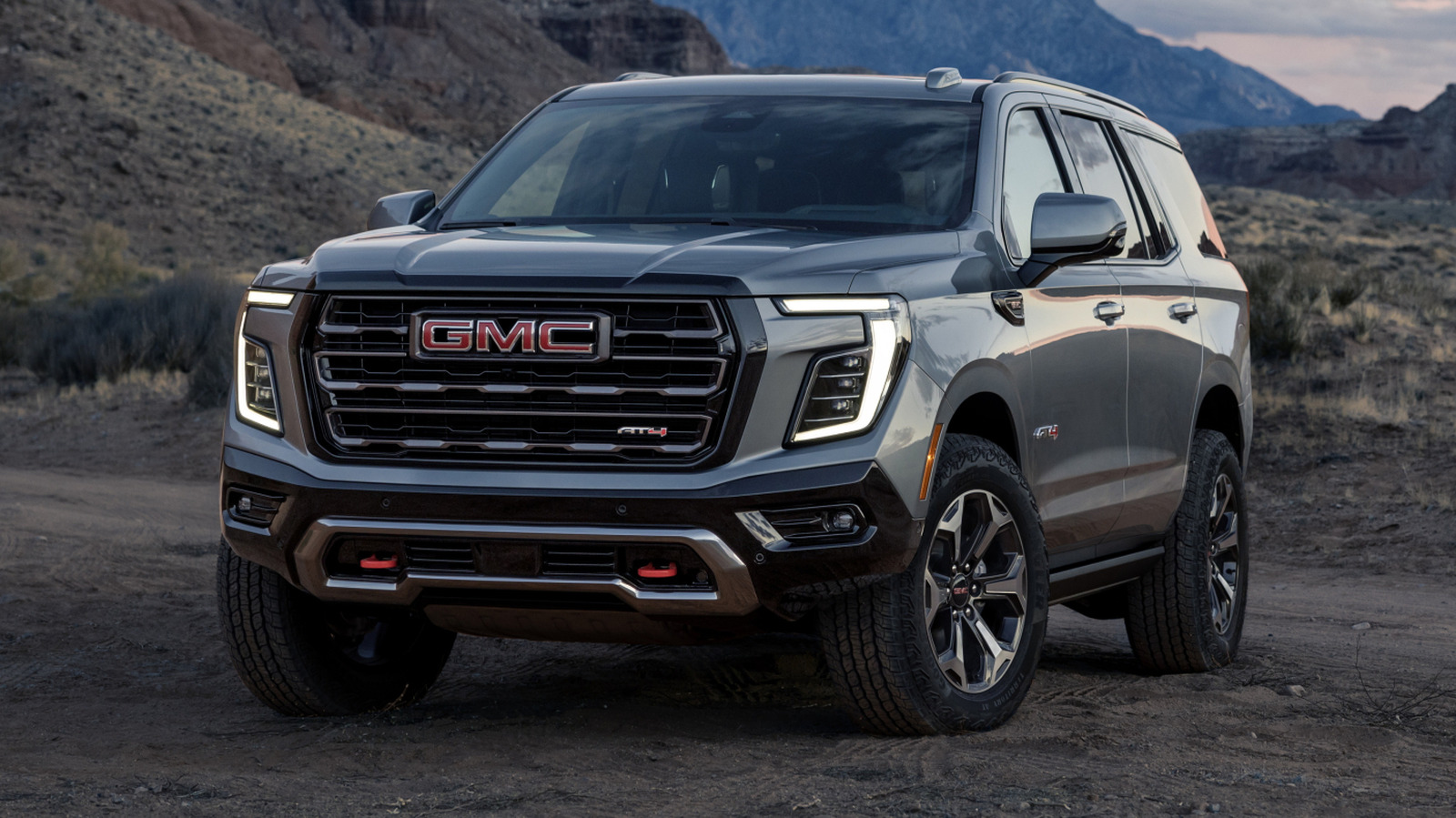
The surviving light-duty diesel options are limited. General Motors is identified in the source as the only automaker still offering a diesel option for light-duty pickup buyers in America, through the GMC Sierra 1500 and Chevrolet Silverado 1500 with a 3.0-liter Duramax turbo-diesel inline-six. On the heavy-duty side, GM also offers diesel in the Silverado HD and Sierra HD through its 6.6-liter Duramax V-8.
That concentration matters because it shows how far the field has narrowed. Diesel is no longer a broad drivetrain choice across sedans, compact cars, crossovers, and premium imports. It is a specialist proposition linked to towing, payload, fleet use, and customers who measure vehicles by capability more than trend.
Regulation, Reputation, and the EV Squeeze
The reasons for diesel’s retreat are not mysterious. The source points directly to the fallout from Volkswagen’s emissions scandal, stricter emissions regulations, and the broader market shift toward EVs. Together, those forces changed both the economics and the public image of diesel. Compliance became harder and costlier. Consumer trust took a blow. Electric vehicles then arrived as the drivetrain of the future, particularly in policy and investment narratives.
That does not mean EVs have displaced diesel in every use case. Heavy hauling, long-range towing, and commercial duty remain difficult environments for full electrification at scale. But it does mean diesel is increasingly forced to justify itself only where its advantages are clearest. The middle ground has largely disappeared.
A Technology in Retrenchment, Not Extinction
The most useful way to read the market is not as a total diesel collapse but as a retrenchment. Diesel has been pushed out of mainstream light-duty consumer mobility while remaining strong where workload, distance, and torque still dominate buying decisions. That may prove to be a durable equilibrium for some time.
There is also a cultural change embedded in this shift. Diesel once carried multiple identities in America: efficient commuter option, European import feature, work-truck mainstay, and enthusiast alternative. Now most of those identities have either disappeared or become marginal. What remains is the utilitarian core.
For the transportation sector, that makes diesel’s position clearer than it has been in years. It is no longer competing to define the future of everyday passenger mobility. Instead, it is defending a narrower but still important domain where the demands of the job continue to outweigh the momentum of electrification. In that sense, diesel’s story in 2026 is not one of expansion. It is one of survival through specialization.
This article is based on reporting by Jalopnik. Read the original article.
Originally published on jalopnik.com