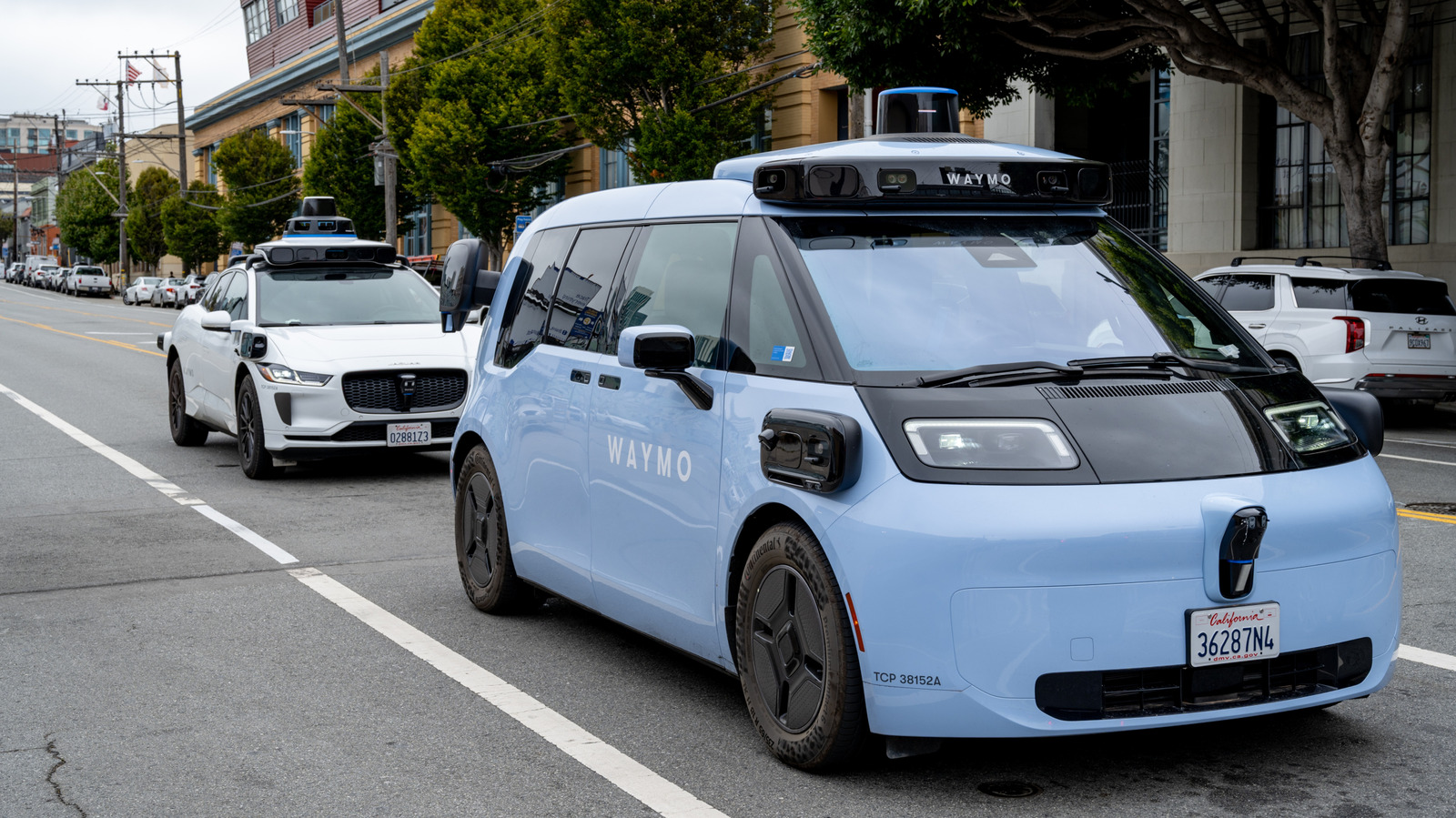
A series of attacks on Waymo vehicles in Denver is exposing an awkward edge case for autonomous transport: repeated disruption of a driverless fleet may impose costs and interrupt service even when authorities conclude that no criminal damage occurred.
According to reporting cited by Jalopnik, an unidentified man allegedly stopped his Toyota Corolla in front of Waymo vehicles, placed caution cones around them, and threw eggs at them. A Waymo investigator told police that the company had recorded about 30 incidents involving the same suspect. The Denver District Attorney’s Office nevertheless determined that criminal charges were not appropriate because there was no damage, according to the report.
Waymo is pursuing charges in seven of the cases, a police report said. The reported response frames the episodes as a civil matter rather than a criminal one, even though the company says it has had to remove vehicles from service for cleaning.
How the vehicles were stopped
The reported method relied on a simple physical constraint. The suspect allegedly placed cones around an autonomous vehicle after blocking it with his car. The result was a vehicle that could not readily continue its trip. He then threw eggs at the vehicle and, in some cases, left it blocked in by the cones.
The account matters because it describes a low-tech intervention against a high-tech service. Autonomous vehicles must interpret their surroundings conservatively, particularly when people, road hazards, or temporary traffic-control objects are present. A cone placed around a vehicle may be trivial for a person to move, but it can become an operational obstacle for a driverless system designed to avoid unsafe contact or unpredictable interactions.
Jalopnik noted that residents in Phoenix used similar tactics against Google autonomous cars in 2021. That comparison suggests that physical interference with driverless vehicles is not entirely new, even if each incident is shaped by local law enforcement practices and the operating conditions of a specific fleet.

The cost of disruption
Waymo reportedly estimated that the Denver egging incidents had cost about $2,000 so far because affected vehicles had to be pulled from service and detailed. The figure is modest compared with the cost of a vehicle itself, but the disruption is not limited to cleaning. When a vehicle is unavailable, it cannot carry passengers, complete a trip, or be dispatched to another rider.
That distinction is important for companies operating autonomous fleets. Traditional vandalism discussions often focus on visible property damage: broken windows, damaged panels, or stolen equipment. But a mobility service can also be affected by delays, cleaning requirements, blocked routes, and the need to respond to incidents. A vehicle does not have to be permanently damaged for a fleet operator to incur costs.
The reported lack of criminal charges shows that the legal treatment of such incidents may turn on how existing laws define damage and the evidence available in a particular case. The Denver DA’s office, through spokesperson Matt Jablow, told the Denver Post that it did not believe a crime had been committed because there was no damage.
Public friction around driverless services
Driverless cars have become more common in major US cities as rideshare vehicles, Jalopnik reported, while also facing public pushback. The Denver incidents are one example of that friction, though the article does not establish the alleged suspect’s motive.
The Denver Post reported that the Corolla involved was registered to a company that provides a fleet of vehicles leased by Lyft drivers. Jalopnik suggested that this detail could help explain anger toward autonomous taxi services, but the suspect’s identity has not been released and no motive has been confirmed.
That uncertainty is worth preserving. Autonomous mobility can create concerns about work, traffic, safety, or the use of public space, but a repeated act of interference by one person does not by itself demonstrate a broader public view. What it does demonstrate is that operators and authorities must deal with the real-world consequences when opposition takes physical form.
An operational issue as much as a legal one
The Denver case is less about whether eggs can disable a vehicle than about how an autonomous service responds when people intentionally create a situation the system cannot safely resolve. A human driver might exit a car, move a cone, or confront the person responsible. A driverless vehicle cannot make those judgments in the same way. It depends on remote support, operational policies, or outside assistance.
That can make relatively minor interference more consequential. The vehicle must prioritize safety, but that caution may create opportunities for disruption. Fleet operators will need procedures for identifying incidents, recovering vehicles, documenting costs, and coordinating with local authorities when conduct falls short of an obvious criminal offense.
Denver’s decision also illustrates a policy gap that may recur as autonomous fleets expand. Existing rules can clearly address collisions, property damage, and dangerous driving. Repeatedly obstructing a driverless vehicle without causing visible damage may be harder to classify, even when the operator says the behavior is expensive and disruptive.
For now, Waymo’s reported effort to pursue seven cases through civil channels may provide a test of how existing remedies apply. The broader lesson is that autonomous transport depends not only on software and sensors, but also on rules and norms that govern how people interact with vehicles that have no driver behind the wheel.
This article is based on reporting by Jalopnik. Read the original article.
Originally published on jalopnik.com