The battery industry is searching for an exit from overbuilt EV expectations
Battery plants built to serve a wave of electric-vehicle demand are being redirected toward new markets after sales forecasts failed to materialize on the expected timeline. Automotive News reports that companies including Ford and LG Energy Solution are repurposing battery plants in Michigan for energy storage systems, a move aimed at salvaging billions of dollars invested during a period when the industry expected much stronger EV growth.
The shift reflects a hard change in market assumptions. For several years, manufacturers, suppliers, and investors built around the idea that EV adoption would climb rapidly enough to absorb massive new battery capacity. That expectation drove factory announcements, capital spending, and location decisions across North America. But when actual demand fell short of those projections, some of the industry’s largest facilities were left mismatched with the market they had been built to serve.
The new strategy is not to abandon battery production. It is to redirect that production toward applications that still need large amounts of stored energy. Stationary energy storage is the clearest example. Instead of supplying battery cells for passenger vehicles, plants can be adapted to support systems used on the grid. In one stroke, that turns excess EV-oriented manufacturing capacity into infrastructure for power management rather than transportation.
Michigan is becoming a test case for the pivot
Automotive News specifically points to Ford and LG Energy Solution repurposing Michigan battery plants for energy storage systems. That is notable for two reasons. First, it shows that the pivot is not limited to startups or smaller players. It is reaching the heart of the established automotive supply chain. Second, it suggests the industry sees grid storage as substantial enough to justify reworking major manufacturing assets rather than mothballing them.
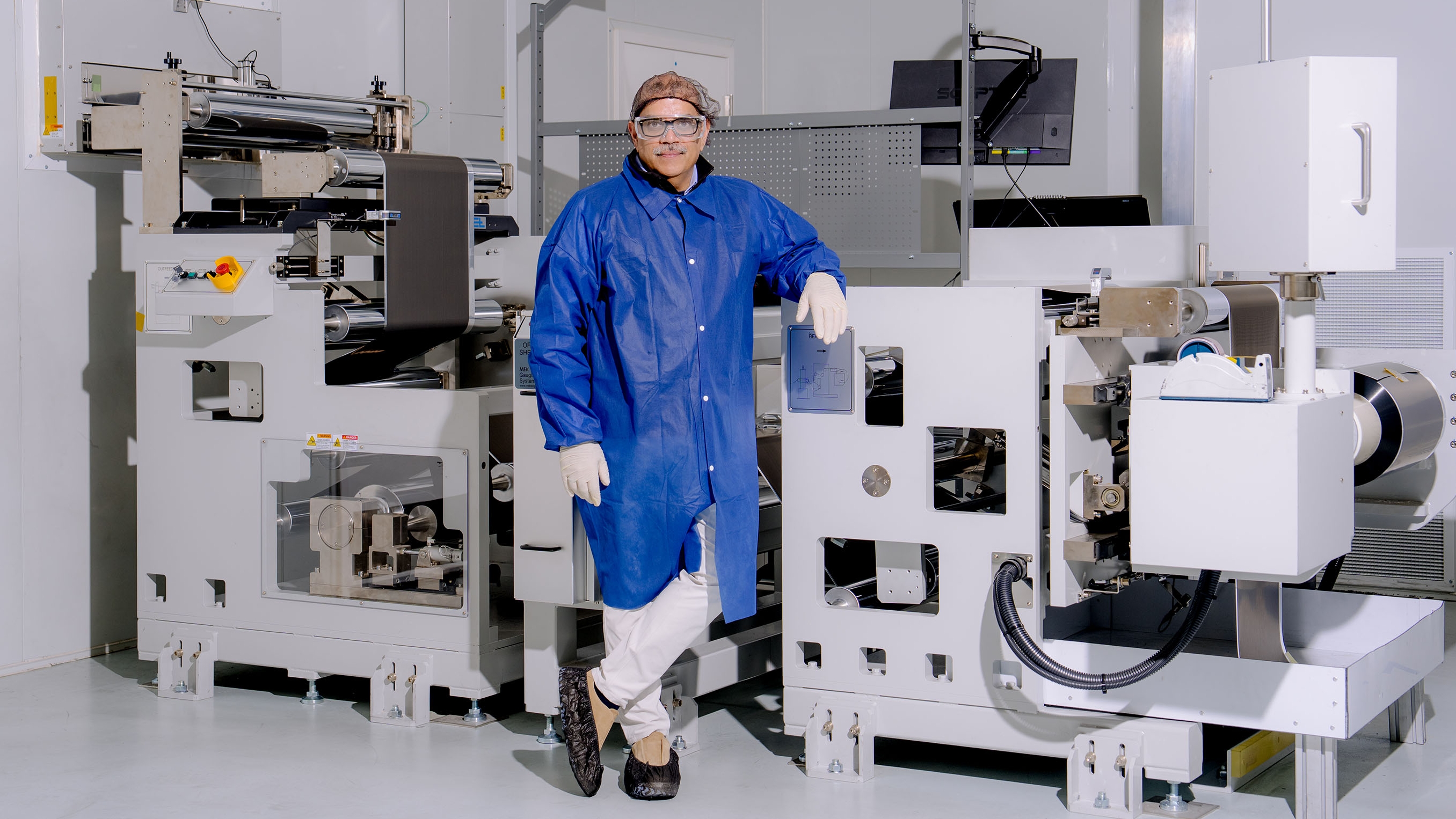
The article also highlights another example in Michigan: Our Next Energy, or ONE, at its ONE Circle Gigafactory in Belleville. The company’s chief executive, Mujeeb Ijaz, is described at a facility where the company has pivoted from EVs to the grid and is now also looking at unique military applications for its batteries. That is a particularly telling progression. It suggests battery manufacturers are not merely trying to survive a slower EV market by shifting into one substitute business. They are widening their addressable markets altogether.
Grid storage and military uses are very different end markets, but both offer one thing the battery sector now urgently needs: alternative demand channels. For companies that made large bets on EV growth curves, diversification is becoming less a long-term strategy than an immediate financial necessity.

Salvaging capital has become the central objective
The headline language from Automotive News is blunt. Battery factories are trying to salvage billions in investments. That framing matters because it captures the scale of the problem. These are not minor line adjustments or routine product shifts. They are attempts to rescue very large industrial commitments made under a market narrative that has weakened.
When a factory built for one category of battery demand is repurposed for another, the goal is partly strategic but also plainly economic. The sunk costs are already there. Buildings have been erected, equipment has been installed, and workers have been recruited or planned for. Repurposing offers a way to recover value from assets that might otherwise sit underused while companies wait for EV demand to catch up.
This is also a sign of how battery manufacturing has matured. The technology base may be complex, but the business challenge increasingly resembles that of other heavy industries: capacity has to find a market. If one projected market underperforms, producers must adapt quickly enough to match plants, products, and customers before the financing logic breaks down.
The pivot says as much about energy systems as it does about EVs
It would be easy to read the Michigan repurposing story purely as an EV disappointment. There is truth in that view, because the article explicitly says demand missed projections. But the emerging response also says something broader about where battery demand is still robust. Energy storage systems for the grid are not a secondary afterthought in this account. They are the practical destination for factory capacity that had been aimed elsewhere.
That means the battery sector is increasingly being shaped by multiple industries at once. Transportation remains central, but power systems and specialized applications are becoming more important in determining where investment can still earn a return. The move by Ford and LG Energy Solution, along with ONE’s grid and military focus, points to a battery market that may be less dominated by passenger EVs than many planners expected a few years ago.
There is also a timing dimension here. Battery plants take years to plan and build, while market sentiment can shift far faster. The current repurposing wave is, in part, the result of that mismatch. Companies committed capital under one set of assumptions and are now operating in a different environment. The fastest available fix is to move capacity toward adjacent uses rather than wait indefinitely for the original forecast to come true.

A more flexible battery business is taking shape
The Michigan examples suggest the next phase of the battery industry may be defined less by single-market specialization and more by flexibility. Plants that can move between transportation, stationary storage, and other applications will be better positioned when one segment cools and another strengthens. That does not erase the cost of misjudged EV timing, but it does offer a path forward for manufacturers determined to keep their assets productive.
The larger implication is that the battery economy is not disappearing. It is being rebalanced. EV demand may have missed earlier projections, but demand for energy storage and other battery-intensive applications remains meaningful enough to support a strategic pivot. For companies facing billions in exposed investment, that distinction is critical.
The industry built aggressively for an EV future that arrived more slowly than expected. Now it is learning whether those same factories can serve a broader energy and defense landscape instead. In Michigan, at least, that transition is already underway, and it may become one of the defining industrial stories of the battery sector’s next chapter.
This article is based on reporting by Automotive News. Read the original article.
Originally published on autonews.com