Drivers Say the Problem Is Real and Growing
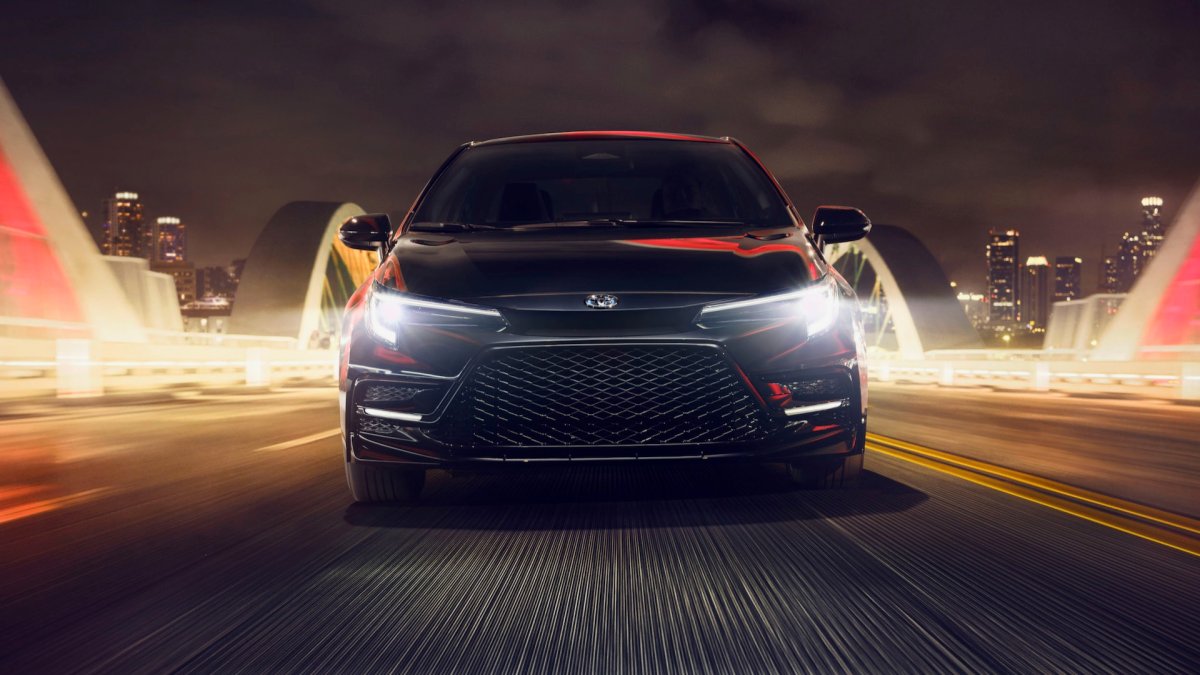
Headlight glare has been a common complaint for years, but a new AAA survey gives the issue sharper definition. As reported by The Drive, six in 10 U.S. drivers say glare is a problem when driving at night, and 73% of those concerned say it has gotten worse over the past decade.
That finding matters because it shifts the discussion from anecdotal frustration to a broader road-safety concern backed by a representative national sample. The survey, conducted from February 5 to 8, 2026, covered 1,092 U.S. drivers age 18 and older using a probability-based panel intended to reflect the country’s driving population.
Night driving has always involved difficult tradeoffs between seeing far enough ahead and avoiding temporary blindness from oncoming traffic. But the modern vehicle fleet is changing those tradeoffs. More powerful LEDs, a growing number of tall vehicles, and uneven aftermarket modifications are all adding to the sense that lighting technology has moved faster than the rules governing it.
What the Survey Found
According to The Drive’s summary of AAA’s results, 92% of respondents who cited glare as a concern pointed specifically to oncoming headlights as the main problem. Another 36% said glare in rearview mirrors was a top concern, and 36% also cited side mirrors. Those numbers suggest drivers are encountering the issue from multiple angles, not only in direct opposing traffic.
The survey also found important differences across groups. Drivers who wear prescription glasses reported more glare than those who do not, at 70% versus 56%. Women reported experiencing glare more often than men, at 70% compared with 57%. Pickup drivers were less likely to report glare, at 41%, versus 66% for drivers of other vehicle types.
AAA said age and driver height were not statistically significant factors in the survey. That is notable because complaints about glare are often assumed to be mostly an aging-driver issue. The findings suggest the problem is broader than that stereotype implies.
Why Headlights Feel Different Now
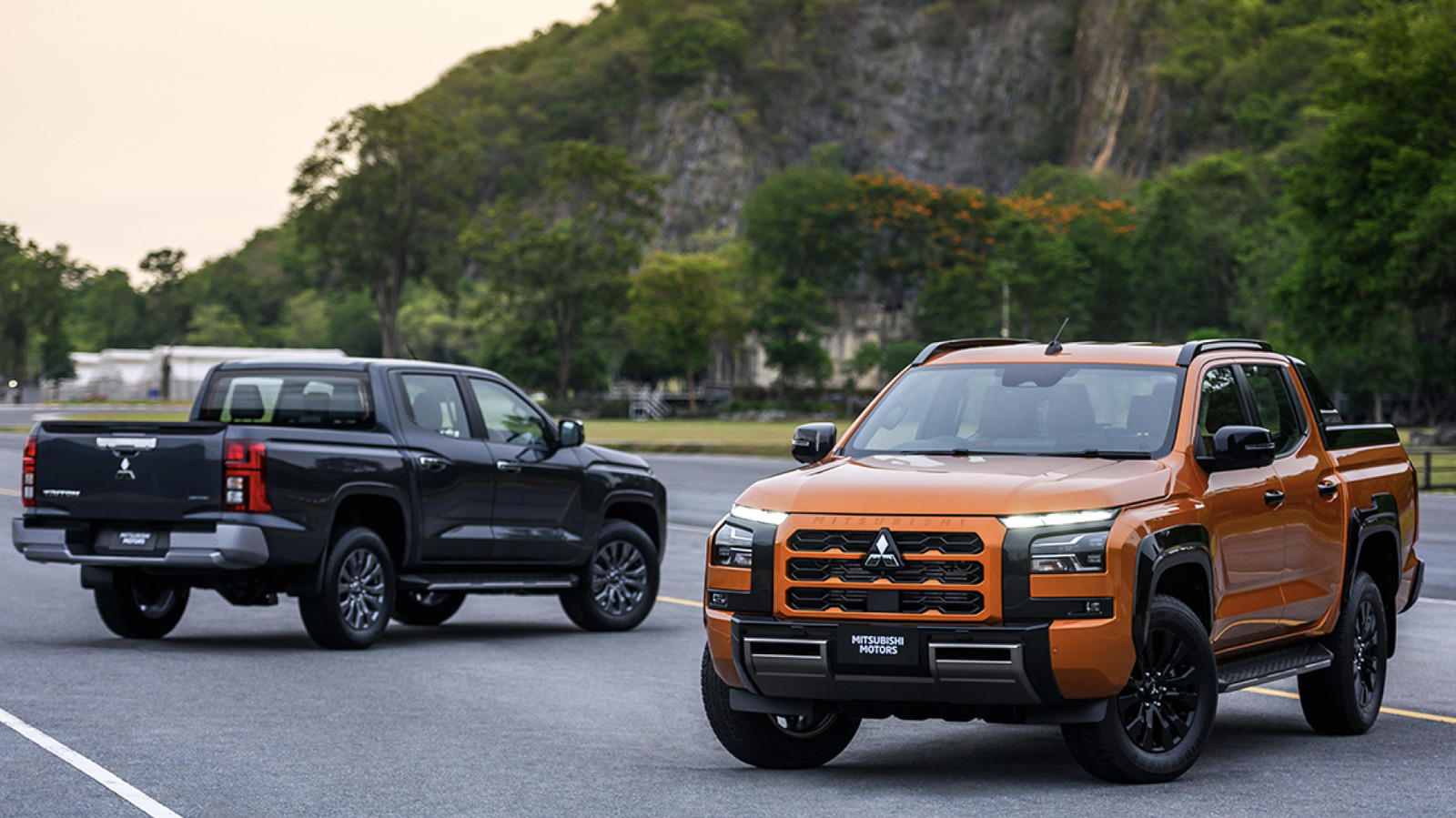
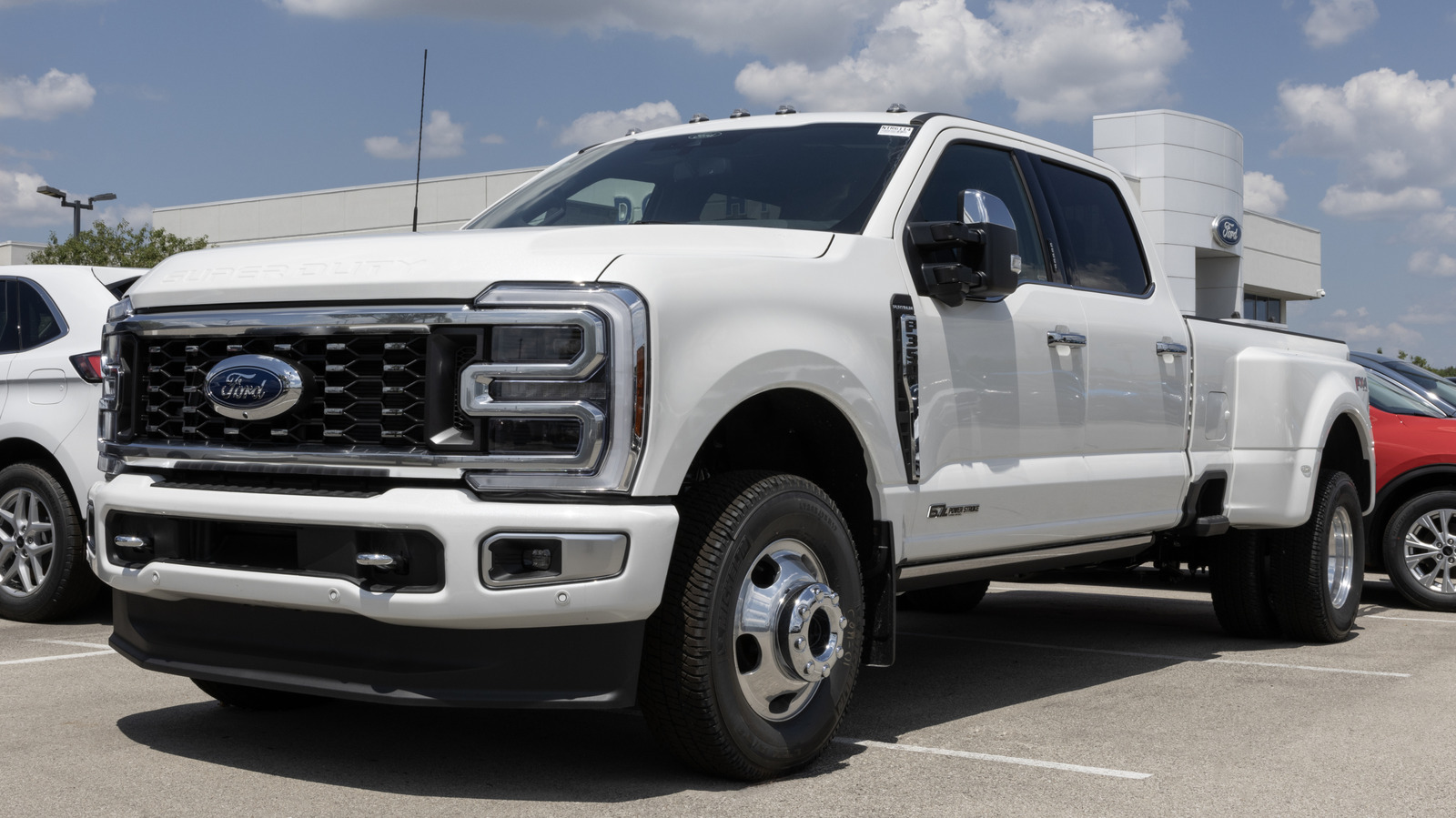
The Drive points to two major factors identified by AAA: newer headlight technologies and taller vehicle designs. Those two trends interact in ways many drivers experience nightly. Brighter light sources can improve visibility for the vehicle using them, but when they are mounted higher on larger crossovers, SUVs, and trucks, they can also place intense light directly into the sightline of other road users.
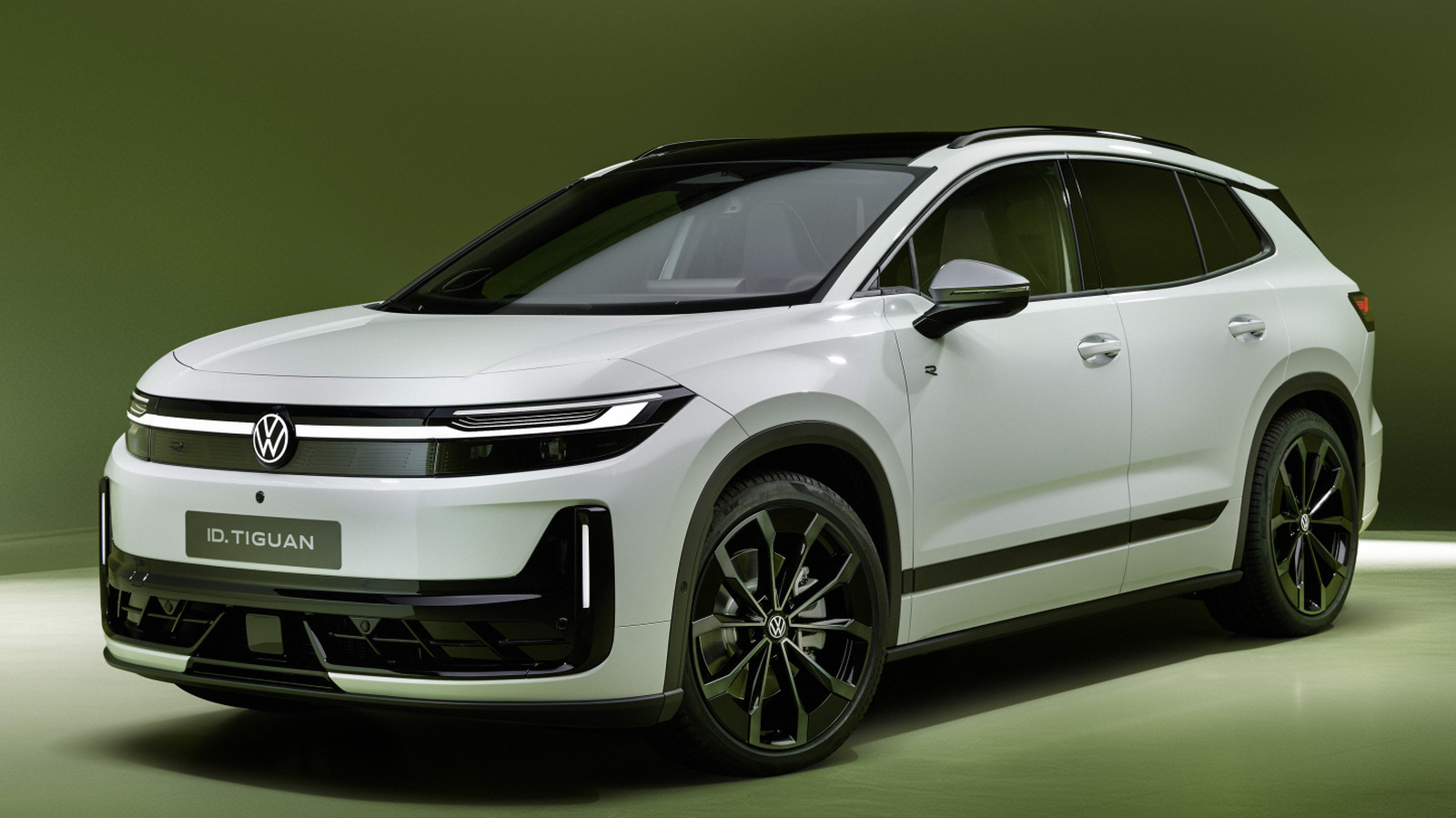
LED systems have contributed to this shift. They are efficient, durable, and capable of producing strong output, which helps explain why automakers increasingly favor them. But brightness alone does not tell the whole story. Beam aim, optical design, mounting height, and vehicle pitch all influence whether a light improves visibility without overwhelming everyone else on the road.
That is why drivers frequently describe the problem as both technological and environmental. Even legally compliant systems can feel harsher when more high-riding vehicles are sharing the road.
The Aftermarket Complication
AAA’s recommendations, as relayed by The Drive, include sticking with original equipment. That guidance points to a major enforcement and design gap in the current market. Aftermarket lighting is widely available, but brightness upgrades are not always matched by proper beam control or alignment. The result can be more intense light directed where it should not go.
This is one reason glare is difficult to solve through consumer choice alone. Individual drivers may install what they believe are better bulbs or replacement units without fully accounting for housing compatibility, beam pattern, or roadway impact. The cumulative effect can be significant even if each change looks minor in isolation.
From a policy standpoint, that means road-safety regulators are dealing with two overlapping issues: the baseline lighting strategies used by automakers and the much looser ecosystem of modifications that can make glare worse.
The Regulatory Catch-Up Problem
The Drive also highlights a deeper contradiction in U.S. lighting policy. While many drivers are frustrated by glare, current regulations have also limited the rollout of more advanced adaptive systems that could reduce it. The article notes that adaptive lighting technology used in Europe can direct illumination where it is needed while reducing glare for oncoming traffic, but older U.S. regulatory language has constrained wider availability of those systems.
That creates a familiar pattern in transportation policy: legacy rules can be too permissive in some areas and too rigid in others. Drivers end up with more powerful lights in general circulation, but not necessarily with the smartest systems for shaping and managing that light dynamically.
The report notes that Rivian is an exception, having designed an adaptive system for the U.S. market. That detail suggests better technical solutions are possible, but scaling them may require more than engineering. It may require faster regulatory adaptation as lighting technology evolves.
Why This Has Become a Quality-of-Driving Issue
Headlight glare is not only a technical compliance problem. It is also a quality-of-driving problem that affects stress, confidence, and perceived safety. Drivers who feel repeatedly dazzled by oncoming traffic may reduce night driving, experience more fatigue, or struggle to identify pedestrians, road markings, and hazards immediately after exposure to bright beams.
Those effects are especially relevant because the same roads are carrying a mix of vehicle sizes, ages, and lighting setups. What feels manageable in one corridor may feel punishing in another. The survey’s breadth indicates this is no longer a niche complaint from enthusiasts or particularly sensitive drivers. It has become a mainstream concern.
What Happens Next
AAA’s near-term advice is pragmatic: avoid looking directly at oncoming headlights and make sure your own lights are working properly. That may help drivers cope, but it does not resolve the underlying trend identified in the survey. If glare is rising because of vehicle design, stronger LEDs, and inconsistent aftermarket practice, then the durable response will have to involve standards, enforcement, and better optical systems.
The Drive’s reporting makes clear that frustration is already widespread. The more important question now is whether U.S. regulators and automakers treat that frustration as a signal that existing lighting norms are out of balance. Better visibility for one driver should not require worse visibility for everyone else.
The AAA survey does not settle every technical argument about brightness, beam shape, or regulation. But it does establish something more basic: a majority of drivers think glare is a problem, and most of them believe it is getting worse. That is enough to make headlight design a transportation policy issue, not just a consumer annoyance.
This article is based on reporting by The Drive. Read the original article.
Originally published on thedrive.com