క్లాసిక్ కారు వారసత్వం విలువైనదిగా కనిపించినా, త్వరగా సమస్యగా మారవచ్చు
ఒక collector carను వారసత్వంగా పొందడం తరచూ పెద్ద లాభంలా అనిపిస్తుంది. కానీ వాస్తవంలో, అది వెంటనే చట్టపరమైన, ఆర్థిక, మరియు లాజిస్టిక్ భారంగా మారవచ్చు. అందించిన Jalopnik మూల పాఠ్యం ప్రకారం, వచ్చే 15 సంవత్సరాల్లో అమెరికా అంతటా enthusiast vehicles యొక్క పెద్ద తరాల బదిలీ జరిగే నేపథ్యంలో ఈ సమస్య మరింత పెరగనుంది.
ఆర్టికల్ ప్రకారం, Bloomberg సుమారు 12 మిలియన్ enthusiast vehicles, మొత్తం విలువ సుమారు $570 బిలియన్, estate plans మరియు inheritance ద్వారా చేతులు మారతాయని అంచనా వేసింది. ఆ పరిమాణం ముఖ్యమైనది. ఇది సమస్య కొన్ని high-profile exotics లేదా celebrity collectionsకు మాత్రమే పరిమితం కాదని, కానీ వాహనాలను ఉంచేందుకు స్థలం, డబ్బు, లేదా ఆసక్తి లేని యువ heirsకు అవి దక్కే సందర్భంలో ఇది విస్తృత ఒత్తిడి పాయింట్గా మారవచ్చని సూచిస్తోంది.
ఇబ్బంది ownershipతో మొదలవుతుంది. మరణించిన వ్యక్తి కారును తన పేరుపైనే మాత్రమే ఉంచి ఉంటే, heir నిజమైన నియంత్రణ పొందే ముందు అది probate ద్వారా వెళ్లాల్సి రావచ్చు. ముఖ్యంగా అనేక heirs, అప్పులు, లేదా వివాదాలు ఉన్నప్పుడు probate నెమ్మదిగా ఉంటుంది. ఆ కాలంలో, కారు కాగితంపై assetగా ఉన్నప్పటికీ, వాస్తవంలో ఉపయోగించలేనిదిగా మారుతుంది.
కీలు ఉపయోగపడేలోపే ఖర్చులు మొదలవుతాయి
మూల పాఠ్యం inherited vehicleతో సంబంధిత బాధ్యతలు కూడా ఉండవచ్చని చెబుతుంది. కారు ఫైనాన్స్ అయి ఉంటే లేదా unpaid restoration bills ఉంటే, owner చనిపోవడం వల్ల ఆ liabilities మాయమవు. Heirsకు, ఇది భావోద్వేగ సమీకరణాన్ని త్వరగా మార్చేస్తుంది. ఒక cherished machine sentimental మరియు market valueతో పాటు తక్షణ invoicesతో కూడా వస్తుంది.
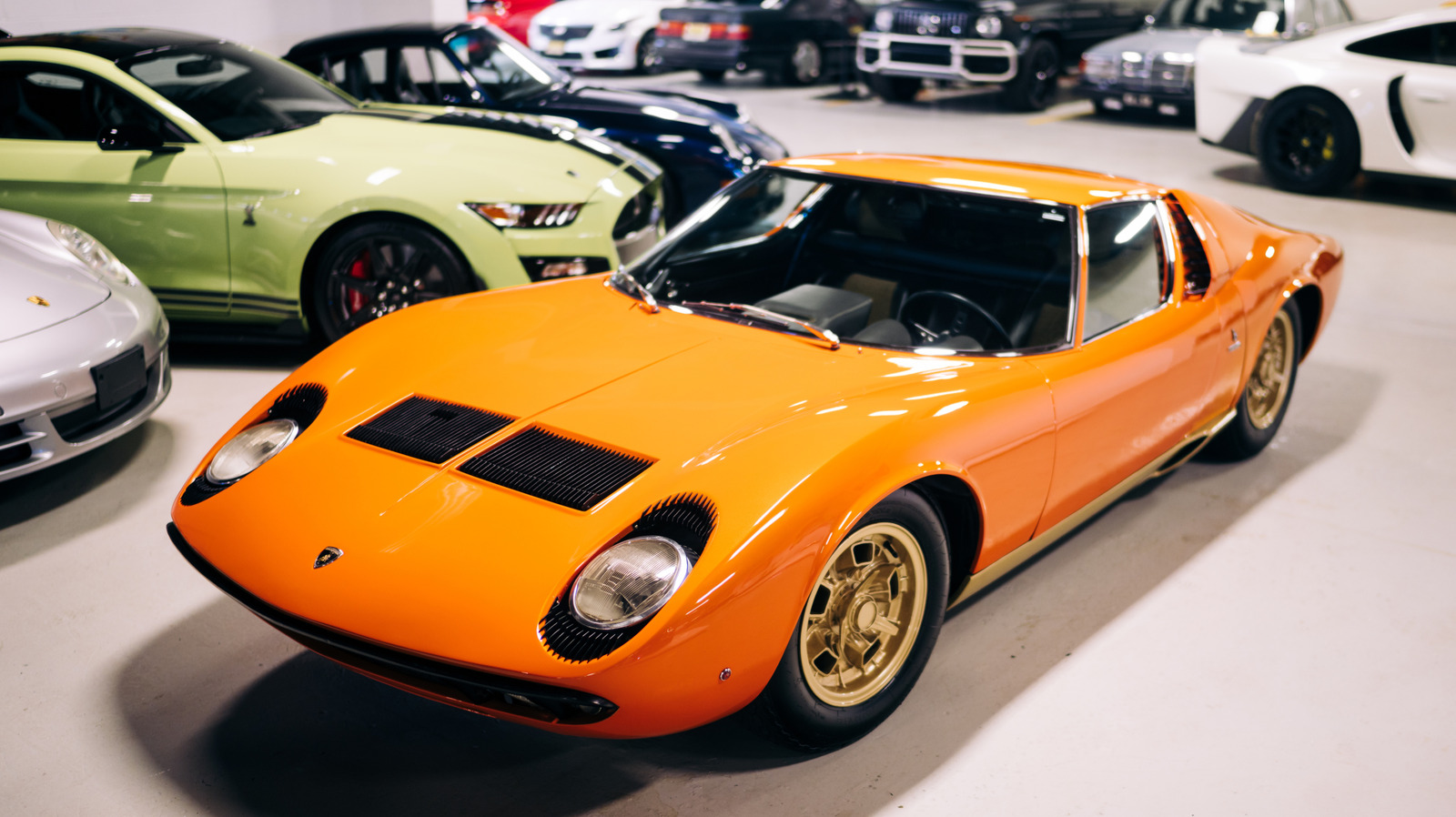
తరువాత storage అడ్డంకి. Jalopnik article Lamborghini Miuraను వారసత్వంగా పొందిన ఉదాహరణను ఉపయోగిస్తుంది, కానీ ఇదే విషయం అనేక high-value లేదా fragile vehiclesకు వర్తిస్తుంది. Classic carsను రోడ్డుపైన సాధారణంగా పార్క్ చేయలేము లేదా basic tarp కింద వదిలేయలేము. తుప్పు, వైరింగ్ నష్టం, లేదా trim మరియు interior materials పాడవకుండా ఉండేందుకు secure, climate-controlled storage అవసరం కావచ్చు.
అలాంటి storage ఖరీదైనది. వాహనం మరియు ప్రదేశాన్ని బట్టి professional facilities నెలకు వందల లేదా వేల డాలర్ల వరకు ఖర్చవుతాయి. ఇప్పటికే funeral costs, estate administration, లేదా సాధారణ జీవన ఖర్చులతో పోరాడుతున్న heirsకు, ఈ పునరావృత బిల్ inheritanceను forced liquidation pressureగా మార్చవచ్చు.
Storage ఏర్పాటు చేసిన తర్వాత కూడా, కారు ఉపయోగించడానికి లేదా అమ్మడానికి సిద్ధంగా ఉండకపోవచ్చు. Registration issues పేరుకుపోవచ్చు. వాహనం సంవత్సరాలుగా నిలిచిఉంటే, heir title transfer, DMV procedures, మరియు back fees లేదా penaltiesను ఎదుర్కోవాల్సి రావచ్చు. “కారును నేరుగా అమ్మేయండి” అనే సులభ కల administrative realityను తాకగానే కూలిపోతుంది.
నిలిచిపోయిన కార్లు ఖరీదైన కార్లు
Mechanical side మరింత చెడుగా ఉండొచ్చు. పాత వాహనాలు నిలిచిపోయినప్పుడు క్షీణిస్తాయి. Rubber seals ఎండిపోతాయి, fluids క్షీణిస్తాయి, fuel పాడవుతుంది, కారు బయటకు బాగానే కనిపించినా corrosion వ్యాపించవచ్చు. Dormant collector carను safely drive చేయడానికి, market చేయడానికి, లేదా కదిలించడానికి substantial work అవసరం కావచ్చు.
ఇది collector segmentలో ప్రత్యేకంగా భారంగా ఉంటుంది, ఎందుకంటే parts, specialized labor, మరియు model-specific knowledge అన్నీ ఖరీదైనవే. Miuraపై major service work చాలా ఖరీదైనదిగా ఉండొచ్చని Jalopnik చెబుతోంది. కానీ విస్తృత సూత్రం మార్కెట్ అంతటా వర్తిస్తుంది: unusual carsను recommission చేయడం అరుదుగా చవకగా ఉంటుంది, heirలు ఈ విషయాన్ని inheritance తర్వాత నేర్చుకుంటారు, ముందుగా కాదు.
Insurance మరో పొరను జోడిస్తుంది. High-value classicsకు తరచూ agreed-value policies, mileage restrictions, మరియు standard auto coverageకు భిన్నమైన storage conditions అవసరం. Collector ownershipలో అనుభవం లేని heirకి, సరైన coverage అవసరమే కాక ఆశ్చర్యకరంగా ఖరీదైనదిగా అనిపించవచ్చు.
తరాల మధ్య అసమతుల్యత కనిపిస్తోంది
ఇక్కడి పెద్ద ధోరణి ఆర్థికంతో పాటు సాంస్కృతికమూ. అనేక collector fleetsను వాటిని నిర్వహించడానికి స్థలం, ఆదాయం, మరియు భావోద్వేగ అనుబంధం ఉన్న owners నిర్మించారు. వారి heirs నగరాల్లో నివసించవచ్చు, apartments అద్దెకు తీసుకుని ఉండవచ్చు, లేదా stewardship కంటే liquidityనే ఇష్టపడవచ్చు. ఆ సందర్భంలో, collectible car cherished heirloomగా కాకుండా, specialized management అవసరమైన సంక్లిష్ట assetగా పనిచేయవచ్చు.
ఆ mismatch enthusiast marketకూ ప్రభావం చూపవచ్చు. పెద్ద సంఖ్యలో వాహనాలు estate pressure కింద మార్కెట్లోకి వస్తే, sellers సాధారణ collectors కంటే ఎక్కువగా తొందరపడి ఉండవచ్చు. ఒకప్పుడు కట్టుదిట్టంగా ఉంచిన కార్లు ఒక్కసారిగా వేగవంతమైన valuation, urgent transport, లేదా auction placementను కోరవచ్చు. కొంతమంది heirs ప్రత్యేక వాహనాలను ఉంచుకుంటారు, కానీ చాలామంది affection లేకపోవడం వల్ల కాదు, practical constraints కారణంగా వాటిని విడిచిపెట్టాల్సి వస్తుంది.
ఈ సమస్య planning gapను కూడా బయటపెడుతుంది. Owners దశాబ్దాల పాటు వాహనాలను సేకరించి, పునరుద్ధరించి, సంరక్షించినా, తర్వాత ఏమవుతుందో దానికి సమానమైన వివరమైన సూచనలు వదలకపోవచ్చు. ఒక car collection వ్యక్తిగత చరిత్రను సూచించవచ్చు, కానీ clear titles, maintenance records, storage arrangements, మరియు estate plans లేకపోతే, ఆ చరిత్రను తదుపరి తరం నిర్వహించడం కష్టమవుతుంది.
కలెక్టర్లు మరియు కుటుంబాలకు దీని అర్థం
మూల పాఠం చెబుతున్నది enthusiast cars చెడు assets లేదా చెడు inheritances అన్నది కాదు. అవి అత్యధిక friction ఉన్న inheritances అన్నదే. అవి legal paperwork, physical storage, mechanical upkeep, insurance complexity, మరియు uncertain market timing అన్నిటినీ ఒకే వస్తువులో కలిపేస్తాయి. ఆ మిశ్రమం committed collectorకు నిర్వహించదగినదిగా ఉండొచ్చు, కానీ సిద్ధంగా లేని heirకు అధిక భారంగా మారుతుంది.
ఎక్కువ వాహనాలు వయసు మళ్లిన owners నుండి యువ కుటుంబాలకు మారుతున్నకొద్దీ, మూల పాఠ్యంలో చెప్పిన సమస్య మరింత స్పష్టంగా కనిపిస్తుంది. steel మరియు rubber రూపంలో ఉన్న wealth transfer భారీగా ఉండొచ్చు, కానీ అది ఎల్లప్పుడూ giftలా అనిపించదు. చాలామంది heirsకు మొదటి ప్రశ్న కారు ఎంత విలువైనదో కాదు. దాన్ని బాధ్యతగా తీసుకునే ఖర్చును ఎంత త్వరగా భరించగలరో అనేదే.
ఈ వ్యాసం Jalopnik నివేదికపై ఆధారపడింది. మూల వ్యాసాన్ని చదవండి.
Originally published on jalopnik.com