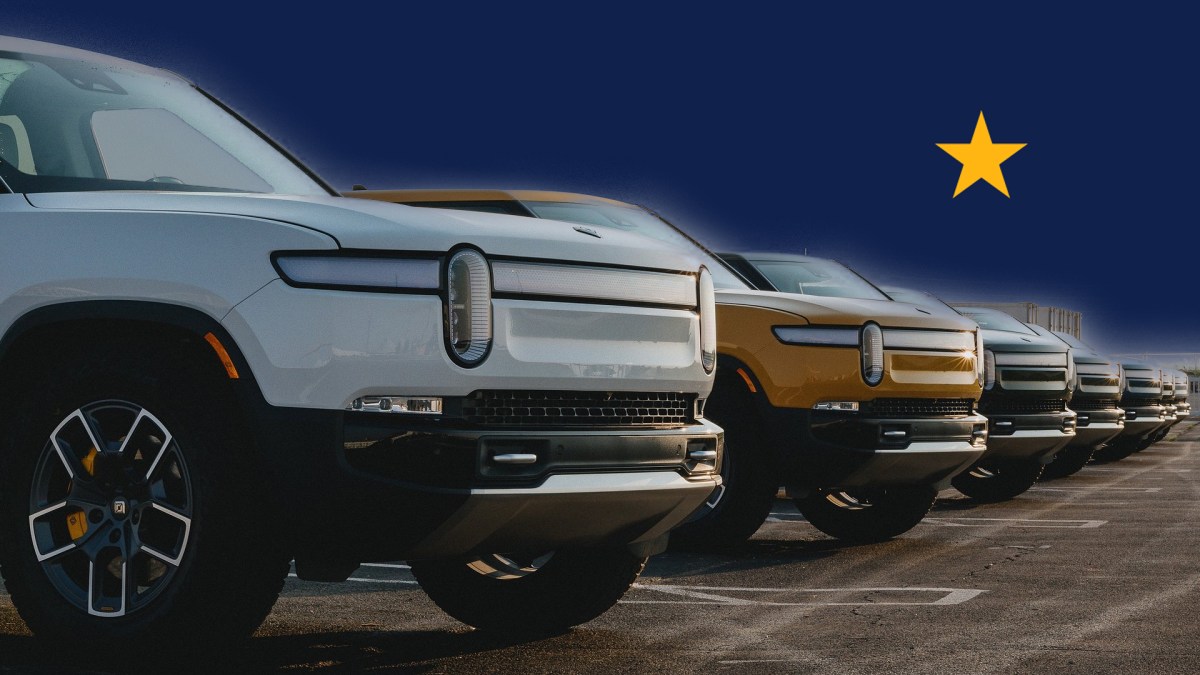
ఒక EV వారంటీ, వాహనానికి ముందే విఫలమవుతుంది
ఎలక్ట్రిక్-వాహన స్వీకరణను తరచుగా ఛార్జింగ్ మౌలిక సదుపాయాలు, బ్యాటరీ పరిధి, మరియు ధర చుట్టూ చర్చిస్తారు. అలాస్కాలో కనిపిస్తున్న ఒక కేసు మరో అంశానికి ఎక్కువ ప్రాధాన్యం ఇవ్వాల్సిన అవసరాన్ని చూపిస్తోంది: మద్దతు నెట్వర్క్ పలుచగా ఉన్న, రవాణానే సమస్యగా మారిన చోట కస్టమర్కు వారంటీ సేవ అవసరమైనప్పుడు ఏమి జరుగుతుంది?
The Drive నివేదిక ప్రకారం, అలాస్కాలో కనీసం కొందరు Rivian యజమానులు వారంటీ మరమ్మతులు పొందడంలో తీవ్ర ఇబ్బందులు ఎదుర్కొంటున్నారు, ఎందుకంటే దగ్గరి Rivian సేవా కేంద్రం సియాటిల్లో ఉంది. ఆ దూరం ఇప్పటికే అసౌకర్యంగా ఉండేది. గత వేసవిలో ఒక పడవ మంటల తర్వాత కమర్షియల్ బార్జ్లు EVలను అలాస్కా వెలుపలికి తరలించడానికి నిరాకరిస్తుండటంతో, ప్రయాణికుల ఫెర్రీలు వాటిని చాలా పరిమిత సంఖ్యలో మాత్రమే తీసుకెళ్తుండటంతో, పరిస్థితి మరింత తీవ్రంగా మారింది.
ఫలితంగా, “ఉచిత” వారంటీ పని కూడా అసలు మరమ్మతు ప్రారంభమయ్యేలోపే నెలల నిరీక్షణను, వేల డాలర్ల రవాణా ఖర్చును కోరవచ్చు. రాష్ట్రంలోని దూర ప్రాంతాల్లో లేదా రోడ్డు పరిమిత ప్రాంతాల్లో నివసించే యజమానుల కోసం ఇది సిద్దాంతపరమైన ఇబ్బంది కాదు. అది కాగితంపై ఉన్న వారంటీ, వాస్తవంలో ఉపయోగించగల వారంటీ మధ్య తేడా.
అలాస్కా ఎందుకు ఒక కస్టమర్-సేవ సమస్యను సిస్టమ్ సమస్యగా మారుస్తుంది
అలాస్కా ఏ ఆటోమేకర్కైనా కఠినమైన పరీక్ష, కానీ EVల కోసం అది ప్రత్యేకంగా విషయాన్ని బయటపెడుతుంది. కొన్ని సముదాయాలకు రోడ్డు ద్వారా చేరుకోవడం సాధ్యం కాదు. ఉదాహరణకు, జూనోకు ఫెర్రీ అవసరం. కెనడా గుండా భూభాగ మార్గాలు ఖరీదైనవిగా ఉండవచ్చు, కొన్ని సందర్భాల్లో అవి అమలుకు అనుకూలంగా ఉండకపోవచ్చు. ఒకసారి EV నడపలేని స్థితిలోకి వెళ్లినా లేదా దాని బ్యాటరీ ప్రభావితమై ఉండవచ్చని అనుకున్నా, రవాణా ఇంకా క్లిష్టమవుతుంది, ఎందుకంటే లిథియం-అయాన్ బ్యాటరీలు ప్రమాదకర వస్తువులుగా నియంత్రించబడతాయి.
Transport Canada మరియు US Department of Transportation reciprocity ప్రకారం, సంభావ్య లోపభూయిష్ట బ్యాటరీ ఉన్న వాహనానికి hazmat-శైలిలో జాగ్రత్తలు అవసరమవుతాయని వ్యాసం పేర్కొంటుంది. ఆ వర్గీకరణ చిన్న పరిపాలనా వివరము కాదు. అది ఒక సాధారణ షిప్పింగ్ అభ్యర్థనను $5,000కు మించిన ప్రత్యేక లాజిస్టిక్స్ పనిగా మార్చగలదు.
ఇక్కడే EV సేవా నమూనా గట్టి భౌగోళిక పరిమితిని ఎదుర్కొంటుంది. విస్తృత డీలర్ నెట్వర్క్లతో ఉన్న సంప్రదాయ ఆటోమేకర్లు స్థానిక సేవా బేలు, మూడో పక్ష వర్క్షాపులు, మరియు విడిభాగాల పంపిణీ ద్వారా కొంత ఘర్షణను శోషించగలరు. తక్కువ సేవా ఉనికిగల కొత్త EV తయారీదారులకు అదనపు భద్రత తక్కువ. అలాస్కా వంటి రాష్ట్రంలో ఆ లోటు త్వరగా బయటపడుతుంది.
Rivian ఒక ప్రత్యేకంగా బోధకమైన ఉదాహరణ ఎందుకు
Rivian తన వాహనాలను సాహసం, మన్నిక, మరియు ఆఫ్-రోడ్ సామర్థ్యం చుట్టూ మార్కెట్ చేస్తుంది. కాబట్టి అలాస్కా ఉదాహరణ కేవలం ఒక ఒంటరి ఫిర్యాదు కాదు. అది మద్దతు వ్యవస్థ ఉత్పత్తి వాగ్దానానికి సరిపోతుందా లేదా అని పరీక్షిస్తుంది. యాత్రలకు సిద్ధంగా ఉన్న వాహనంగా నిలబడే ట్రక్, యజమానులు దాన్ని పరిమిత షిప్పింగ్ నియమాల కింద మరో రాష్ట్రానికి ఎగుమతి చేయకుండా వారంటీ పనులు చేయించుకోలేకపోతే, పూర్తిగా భిన్నంగా కనిపిస్తుంది.
కొన్ని అలాస్కా సేవలు గతంలో మొబైల్ టెక్నీషియన్లు లేదా అధీకృత మూడో పక్షాల ద్వారా నిర్వహించబడినట్లు నివేదిక చెబుతోంది, కానీ వాహనాలను సియాటిల్కు పంపడం ఇప్పటికీ కష్టంగానే ఉంది. Rivian వారంటీ భాష కూడా వారంటీ-సంబంధిత సమస్యల కోసం సమీప అధీకృత సేవా స్థలానికి లేదా పరస్పర అంగీకార స్థానానికి ఉచిత అత్యవసర టోయింగ్ను హామీ ఇస్తుంది, దీనిలో సమీప కేంద్రం దూరంగా ఉండి రవాణా ఎంపికలు పరిమితమైనప్పుడు ప్రత్యేకంగా సంబంధితమైన పరిమితులు కనిపిస్తాయి.
కంపెనీకి క్రెడిట్గా, నివేదికలో పేర్కొన్న యజమాని సియాటిల్ సేవా బృందం సహాయం చేయడానికి కట్టుబడి ఉన్నట్లు అనిపించిందని చెప్పాడు. అది ముఖ్యం, కానీ మంచి ఉద్దేశం భౌతిక మౌలిక సదుపాయాల స్థానాన్ని భర్తీ చేయలేదు. సేవకు వెళ్లే మార్గం అడ్డుకుపోతే, స్వీకరించే బృందం యొక్క వృత్తిపరమైన నైపుణ్యం రవాణా అడ్డంకిని పరిష్కరించదు.
విస్తృత EV రంగానికి ఒక హెచ్చరిక
అలాస్కా పరిస్థితి Rivian గురించే కాదు. ఇది విస్తృత ఎలక్ట్రిక్-వాహన మార్కెట్కు ఒక నిర్మాణాత్మక సవాలును బయటపెడుతుంది. EV స్వీకరణ పెద్ద మెట్రో ప్రాంతాలకు బయటకు విస్తరించిన కొద్దీ, ఆటోమేకర్లు ఎంత వాహనాలు అమ్మగలరో మాత్రమే కాకుండా, అంచు సందర్భాల్లో వాటిని ఎంత బాగా మద్దతివ్వగలరో అనే అంశంపై కూడా ఎక్కువగా అంచనా వేయబడతారు.
ఆ అంచు సందర్భాల్లో ఇవి ఉన్నాయి:
- కంపెనీ-నడిపే సేవా కేంద్రాల నుండి దూరంగా ఉన్న యజమానులు
- ఫెర్రీ లేదా సముద్ర రవాణాపై ఆధారపడే ప్రాంతాలు
- బ్యాటరీ-సంబంధిత లోపాల కారణంగా నడపలేని వాహనాలు
- ప్రమాదకర వస్తు నియమాలు రవాణా ఖర్చులను తీవ్రంగా పెంచే ప్రాంతాలు
ఇవి మార్కెటింగ్ వాదనలకన్నా బలంగా బ్రాండ్ ఖ్యాతిని ఆకారమివ్వగల నిజ జీవిత పరిమితులు. వారంటీ సేవ పొందలేని కస్టమర్ బ్యాటరీ రసాయనాన్ని లేదా వేగాన్ని అంచనా వేయడం లేదు. తయారీదారు నిలకడగా ఉండే యాజమాన్య అనుభవాన్ని రూపొందించాడా లేదా అనేదానిని అతను అంచనా వేస్తున్నాడు.
విద్యుదీకరణ వెనుక ఉన్న లాజిస్టిక్స్ లోటు
EVలపై ప్రజా చర్చ సాధారణంగా దహన ఇంజిన్ నుంచి మార్పును హైలైట్ చేస్తుంది. కానీ సహాయక లాజిస్టిక్స్లో జరిగే మార్పుపై చాలా తక్కువ దృష్టి ఉంటుంది. బ్యాటరీలు, భద్రతా నియమాలు, మరియు కొత్త సేవా నమూనాలు డ్రైవర్లు దీర్ఘకాలంగా సహజంగా తీసుకున్న మరమ్మతుల పర్యావరణానికి భిన్నమైన వ్యవస్థను సృష్టిస్తున్నాయి.
ఆ వ్యవస్థ సేవా కేంద్రాలు, క్యారియర్లు, మరియు విడిభాగాల నెట్వర్క్లు సులభంగా అందుబాటులో ఉండే సాంద్ర, అనుసంధానిత ప్రాంతాల్లో బాగా పనిచేయగలదు. అవి ఏదైనా ఒక కడి లేకపోయే ప్రదేశాల్లో అది బలహీనమవుతుంది. అలాస్కా ఇప్పుడు ఒత్తిడిలో ఆ బలహీనత ఎలా కనిపిస్తుందో చూపిస్తోంది: అగ్ని ప్రమాదం తర్వాత షిప్పింగ్ నిషేధాలు, అరుదైన ఫెర్రీ స్లాట్లు, మరియు బహుళ-దశల ప్రయాణం దూరంలో ఉన్న సమీప పూర్తి-సేవ ఎంపిక కలిగిన తయారీదారు.
నిజమైన పరిష్కారానికి ఏమి కావాలి
స్థిరమైన సమాధానం ఒకటి కంటే ఎక్కువ పరిష్కారాలను అవసరం చేయవచ్చు. ఆటోమేకర్లకు విస్తృత మూడో పక్ష సేవా భాగస్వామ్యాలు, బ్యాటరీ రవాణా కోసం మెరుగైన ప్రాంతీయ ప్రత్యామ్నాయ ప్రణాళికలు, మరియు దూర ప్రాంత యజమానులకు మరింత స్పష్టమైన విధాన నిబంధనలు అవసరం కావచ్చు. క్యారియర్లు మరియు నియంత్రకులు కూడా అశక్తమైన EVలను సురక్షితంగా తరలించడానికి మరింత ప్రామాణిక మార్గాలను రూపొందించాల్సి రావచ్చు, ప్రతి కేసును ప్రత్యేక సంఘటనగా మార్చకుండా.
అది లేకపోతే, దూర మార్కెట్లలోని వారంటీ బాధ్యతలు నామమాత్రంగా మారే ప్రమాదం ఉంది. వాహనం కవరేజ్లో ఉండవచ్చు, కానీ ఆ కవరేజ్ను వినియోగించే మార్గం అంత నెమ్మదిగా లేదా ఖరీదుగా ఉండవచ్చు కాబట్టి యజమానులకు అది అందుబాటులో లేనట్టే అనిపించవచ్చు.
Rivian మరియు దాని ప్రత్యర్థుల కోసం ఇది పక్క విషయం కాదు. ఇది ఉత్పత్తి సిద్ధతలో భాగం. సరిహద్దు ప్రాంతాలు లేదా భౌగోళికంగా క్లిష్టమైన మార్కెట్లలో EVలను అమ్మడం అంటే తయారీ సమస్యను మాత్రమే కాదు, మద్దతు సమస్యను కూడా స్వంతం చేసుకోవడం. అలాస్కా యొక్క Rivian యజమానులు, ఆ మద్దతు పొర ఇంకా సరిపడా చేరుకోనప్పుడు ఏమి జరుగుతుందో చూపిస్తున్నారు. ఈ పాఠం ఒక బ్రాండ్, ఒక రాష్ట్రం కంటే చాలా దూరం వెళ్తుంది.
ఈ వ్యాసం The Drive నివేదికపై ఆధారపడింది. మూల వ్యాసాన్ని చదవండి.
Originally published on thedrive.com