Roman లోతైన అంతరిక్ష ప్రయాణాన్ని ప్రారంభించింది
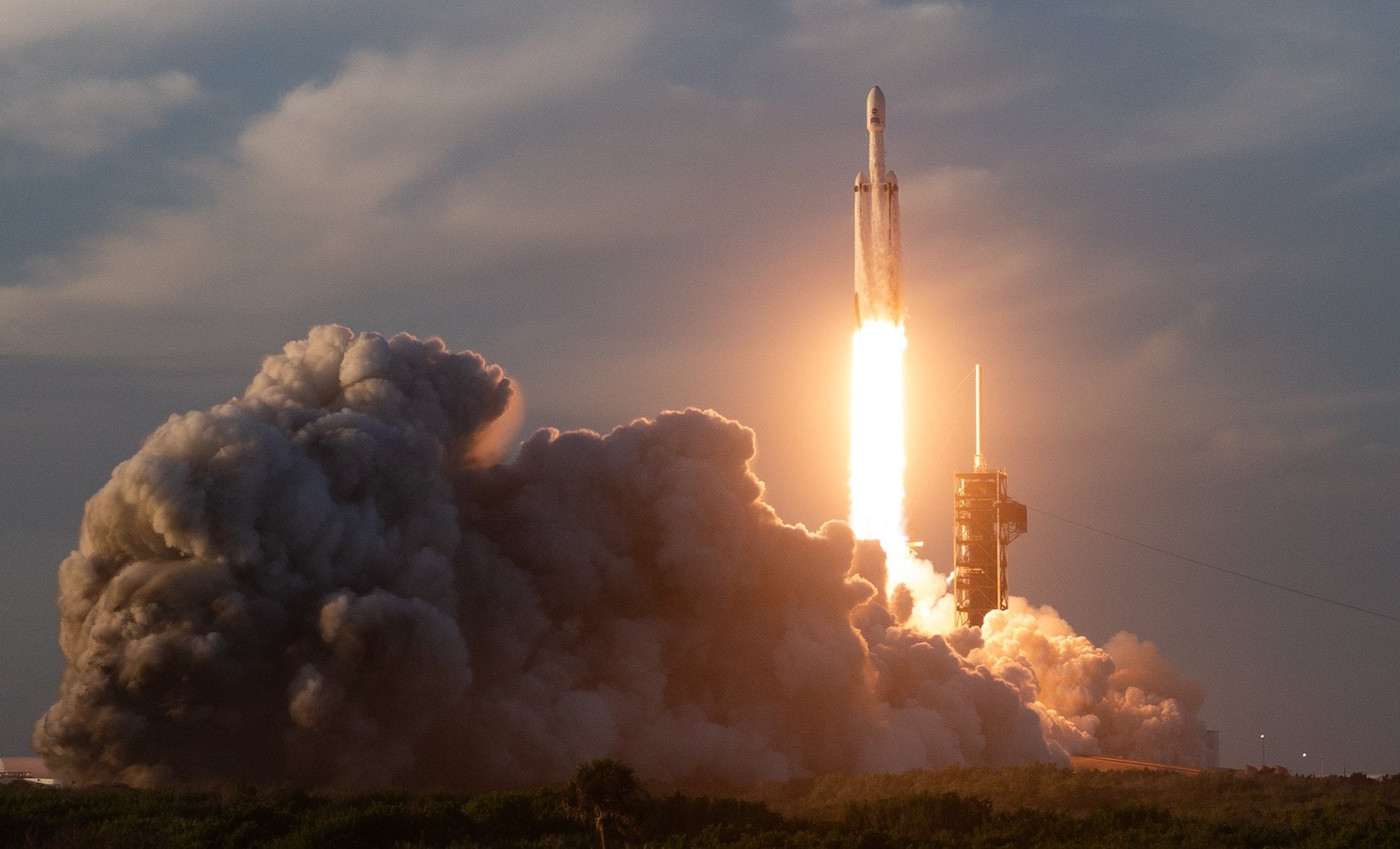
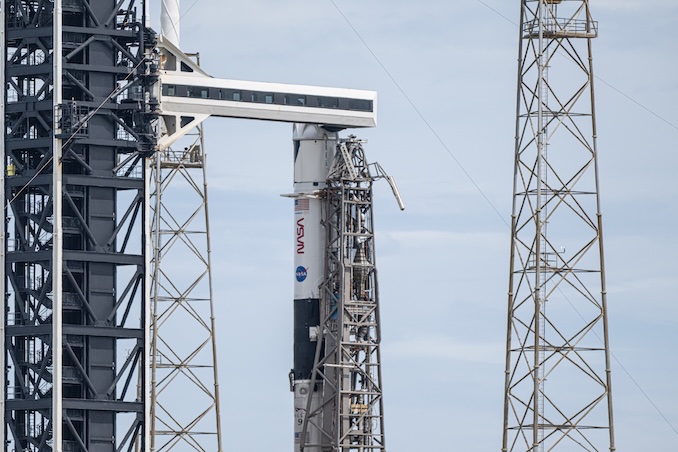
NASA యొక్క Nancy Grace Roman Space Telescope ఇప్పుడు భూమి నుండి ఒక మిలియన్ మైళ్ల దూరంలో ఉన్న తన operational post వైపు ప్రయాణిస్తోంది, ఇది ఇటీవలి సంవత్సరాలలో ఏజెన్సీ యొక్క అత్యంత ఆశయభరిత ఖగోళ శాస్త్ర missionsలో ఒకటి ప్రారంభాన్ని సూచిస్తోంది. ఈ observatory ఆగస్టు 30న Kennedy Space Center నుండి SpaceX Falcon Heavy మీద ప్రయోగించబడింది, మరియు Earth-sun L2 gravitational balance point వైపు మూడు నెలల cruiseను ప్రారంభించింది.
ప్రయోగం స్వయంగా సజావుగా జరిగినట్లు కనిపిస్తోంది. 7:26 a.m. Eastern వద్ద liftoff తర్వాత Roman తన ప్రయాణం కోసం విడిపోయింది, Falcon Heavy యొక్క side boosters Florida తీరానికి తిరిగి వచ్చి land అయ్యాయి, core booster సముద్రంలో splashed down అయ్యింది. ఈ clean ascent ముఖ్యమైనది, ఎందుకంటే Roman కేవలం మరొక space telescope కాదు. ఇది wide-field infrared surveys కోసం ఒక కేంద్ర పరికరంగా మారాలనే ఉద్దేశంతో రూపొందించబడింది, ఆధునిక astrophysicsలోని అతిపెద్ద open questionsలో కొన్నింటిని పరిష్కరించడానికి.
NASA మొదట 2027ను liftoff కోసం లక్ష్యంగా పెట్టుకుంది, అందువల్ల అంచనాల కంటే ముందే జరిగిన ఈ launch స్వయంగా గమనించదగినది. ఇచ్చిన source ప్రకారం, సుమారు $4.3 billion mission schedule కంటే ముందుగాను budget కంటే తక్కువగాను వచ్చింది, ఇది ఈ పరిమాణంలోని flagship science programకు అరుదైన కలయిక.
Roman ఎందుకు ముఖ్యము
Roman, Hubble-like sharpnessను తీవ్రమైన పెద్ద field of viewతో కలపడానికి రూపొందించబడింది. ఆ జోడీనే mission promise యొక్క కేంద్రం. Hubble astronomyలో అత్యంత ముఖ్యమైన images మరియు measurementsలో కొన్నింటిని ఇచ్చింది, కానీ దాని sky view తులనాత్మకంగా చిన్నది. Roman, infrared observationsలో సమానమైన resolution మరియు sensitivityని నిలుపుకుంటూ, ఒకేసారి 100 రెట్లు పెద్ద ప్రాంతాలను survey చేస్తుందని ఆశిస్తున్నారు.
దీంతో astronomers చేయగల science మారుతుంది. ఆకాశంలోని చిన్న భాగాన్ని అత్యంత వివరంగా చూడటానికి బదులు, Roman విస్తారమైన regions మీద sweep చేస్తూ కూడా మసక structures, అరుదైన objects, మరియు సూక్ష్మ patternsను గుర్తించేందుకు అవసరమైన precisionను నిలుపుకుంటుంది. ఈ telescopeను scale కోసం ఉన్న machineగా స్థిరపరుస్తున్నారు: కవర్ చేసిన areaలో scale, తిరిగి వచ్చే dataలో scale, మరియు దాని surveys యొక్క statistical powerలో scale.
source text ప్రకారం Roman యొక్క high-gain antenna ప్రతిరోజూ సుమారు 1.4 terabytes of science dataను తిరిగి పంపుతుందని, ఇది NASA astrophysics missionకు ఇప్పటివరకు ఉన్న అత్యధిక data rate. దాని అతిపెద్ద images ఒక trillion pixels వరకు చేరుతాయని భావిస్తున్నారు. ఈ గణాంకాలు headline imagery కోసం మాత్రమే కాదు, data-heavy mapping of the universe కోసం నిర్మించబడిన missionను సూచిస్తున్నాయి.

అసాధారణ మూలాలు కలిగిన telescope
Roman యొక్క backstory కూడా దానిని ప్రత్యేకంగా నిలబెడుతుంది. దాని రెండు mirrors మొదట తదుపరి తరం National Reconnaissance Office spy satellites కోసం ఉద్దేశించబడ్డాయి. ఆ project రద్దయిన తర్వాత, mirrors NASAకి బదిలీ చేయబడి, మొదట WFIRST అని పిలువబడిన Wide-Field Infrared Survey Telescopeలో చేర్చబడ్డాయి.
ఈ missionను తరువాత Nancy Grace Roman పేరుతో పేరు మార్చారు. ఆమె NASA యొక్క former chief astronomer, మరియు Hubble Space Telescope సాధ్యమయ్యేలా చేయడంలో ఆమె పాత్ర కారణంగా తరచుగా “Mother of Hubble” అని పిలుస్తారు. Roman 2018లో మరణించారు, కానీ ఆమె పేరు ఇప్పుడు ఆమె సహాయంతో ఏర్పడిన space-based astronomy legacyను విస్తరించడానికి రూపొందించిన observatoryపై ఉంది.
ఈ origin story space scienceలో ఒక broader patternను ప్రతిబింబిస్తుంది: ఒక national priority కోసం అభివృద్ధి చేసిన highly capable hardware కొన్నిసార్లు long-horizon scientific infrastructureగా తిరిగి ఉపయోగించబడుతుంది. Roman సందర్భంలో, ఆ బదిలీ Hubble-class sharpnessతో పని చేయగలిగే, అదే సమయంలో చాలా విస్తృత survey windowను తెరచే telescopeను సాధ్యం చేసిందని కనిపిస్తోంది.
Science agenda
Roman యొక్క mission profile విస్తృతమైనది. ఈ telescope dark matter మరియు dark energyను పరిశీలించనుంది, ఇవి cosmic structure మరియు expansionలో వాటి స్పష్టమైన ప్రాముఖ్యత ఉన్నప్పటికీ, విశ్వంలో అత్యల్పంగా అర్థమైన భాగాల్లో రెండు. wide-field infrared instrument ఇక్కడ ప్రత్యేకంగా ఉపయోగకరం, ఎందుకంటే అది అనేక galaxiesను map చేయగలదు మరియు విస్తారమైన దూరాలు మరియు timescales across matter ఎలా పంపిణీ అయిందో పరిశీలించగలదు.
ఈ telescope Earthlike planets కోసం కూడా శోధించడానికి స్థిరపరచబడింది. source Romanను కొత్త ప్రపంచాలను వెలికి తీయడంలో సహాయపడే missionగా, అలాగే “weird, the rare and the unusual”ను కనుగొనగల missionగా వివరిస్తోంది. ఇది wide-area sky surveys అత్యుత్తమంగా చేసే పనికి సంక్షిప్త వర్ణన: అవి శాస్త్రవేత్తలు ఆశించే వాటిని మాత్రమే నిర్ధారించవు, చిన్న మరియు target చేసిన observations మిస్ చేయగల outliersను గమనించే అవకాశాన్ని కూడా సృష్టిస్తాయి.
ఈ పనికి infrared capability కేంద్రంగా ఉంటుంది. ఇది Romanను dust ద్వారా చూడటానికి, longer wavelengths వైపు shifted అయిన distant objectsను గుర్తించడానికి, మరియు పరిశోధకులు అనేక scientific questions across ఉపయోగించగల uniform survey dataను సేకరించడానికి అనుమతిస్తుంది. ఒకే discoveryకి optimize చేయబడినదిగా కాకుండా, Romanను ఒకేసారి అనేక discoveriesకి మద్దతు ఇచ్చే platformగా అర్థం చేసుకోవడం మంచిది.
NASA astronomyకి వ్యూహాత్మక క్షణం
Roman launch NASA యొక్క science portfolioకి అర్థవంతమైన క్షణంలో వచ్చింది. agencyకి ఇప్పటికే Earth orbitలో Hubble ఉంది, మరియు James Webb Space Telescope L2 వద్ద పనిచేస్తోంది. Roman ఈ రెండింటిలో ఏదినీ duplicate చేయకుండా వేరే capabilityని జోడిస్తుంది. Webb ఎంచుకున్న targetsపై అత్యంత లోతైన, అత్యంత వివరణాత్మక observations కోసం నిర్మించబడితే, Roman విస్తృత ప్రాంతాలను scan చేసి, ఆ targets చుట్టూ cosmic contextని రూపొందించడానికి నిర్మించబడింది.
ఈ division of labor వచ్చే దశాబ్దపు astronomyకి ముఖ్యమైనది కావచ్చు. పెద్ద survey missions తరచుగా మొత్తం research communityకి force multipliersగా మారతాయి, ఎందుకంటే అవి ఇతర observatories మరింత వివరంగా పరిశీలించగల catalogs, maps, మరియు candidate objectsను సృష్టిస్తాయి. కాబట్టి Roman కేవలం standalone observatory మాత్రమే కాదు. ఇది astronomy across follow-up workకి discovery infrastructureగా పనిచేసే అవకాశం ఉంది.
schedule కంటే ముందే mission రావడం కూడా symbolic weightను కలిగి ఉంది. NASA యొక్క అత్యంత visible science programs often scientific ambitionతో పాటు cost మరియు timing ఆధారంగానూ అంచనా వేయబడతాయి. schedule acceleration తర్వాత విజయవంతమైన launch, Roman కోసం agencyకి బలమైన ప్రారంభ కథను ఇస్తుంది: technically complex, operationally disciplined, మరియు long-term scientific return కోసం నిర్మించబడింది.
తదుపరి ఏమి
తక్షణ తదుపరి దశ transit మరియు commissioning. Roman Earth-sun L2కి ప్రయాణించి science operations కోసం తన systemsను సిద్ధం చేయాలి. ఆ process trackలో కొనసాగితే, researchers high-resolution infrared imagingను enormous sky coverageతో జతచేసే కొత్త observatoryని పొందుతారు.
ముఖ్యమైన విషయం ఏమిటంటే, Roman ఇప్పుడు promise నుండి executionకు మారింది. సంవత్సరాల పాటు ఇది future cosmology మరియు exoplanet researchకు సంబంధించిన ఒక conceptగా మాత్రమే ఉండేది. launch పూర్తయిన తర్వాత, mission మరింత కీలక దశలోకి ప్రవేశించింది: hardware, schedule, మరియు scientific aspiration అంతరిక్షంలో కలుస్తున్న స్థానం.
- Sourceలో launch date: August 30, 2026
- Launch vehicle: SpaceX Falcon Heavy
- Destination: Earth-sun L2, భూమి నుండి సుమారు 1 million miles దూరంలో
- Core strengths: wide-field infrared surveys, high data return, Hubble-like sharpness
ఈ వ్యాసం Universe Today నివేదిక ఆధారంగా ఉంది. మూల వ్యాసాన్ని చదవండి.
Originally published on universetoday.com