భౌతిక శాస్త్రం నిండిన చిన్న ప్రయాణం
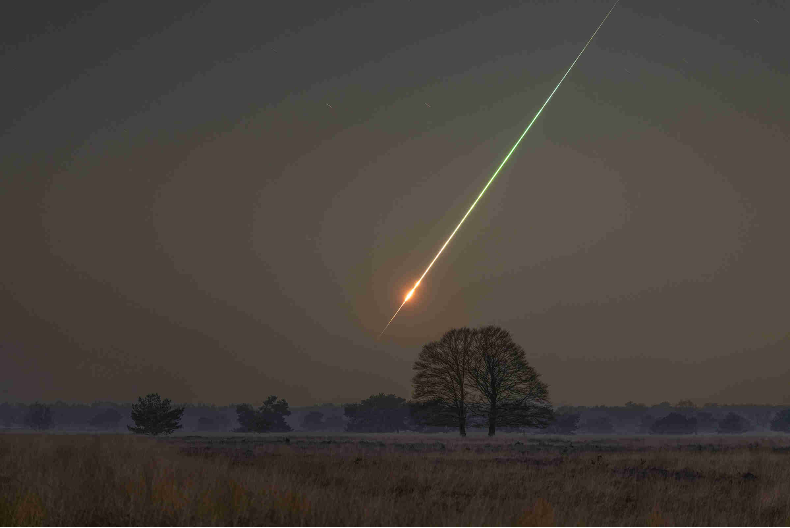
ఒక అంతరిక్ష శిల భూమి వాతావరణాన్ని చీల్చుకుంటూ దూసుకెళ్తున్నప్పుడు, కనిపించే ఆ నాటకం కొన్ని సెకన్లకే పరిమితం. కానీ ఆ కొన్ని సెకన్లే వచ్చే వస్తువు కాలిపోతుందా, గాల్లో పేలిపోతుందా, లేక ఉల్కాపిండాలుగా నేలపై పడేంతవరకు బతుకుతుందా అనే విషయాన్ని నిర్ణయిస్తాయి. Universe Today లో చర్చించిన ఒక కొత్త అధ్యయనం, నేల నుంచి చూసినప్పుడు కనిపించేదానికంటే ఈ ప్రక్రియ మరింత నిర్మితంగా ఉంటుందని వాదిస్తోంది.
SETI Institute మరియు NASA Ames Research Center పరిశోధకులు 75 ఉల్కాపిండాల పతనాల చిత్రాలు, వీడియో డేటాను విశ్లేషించి, ఆ పరిశీలనల ఆధారంగా వాతావరణ గమనానికి ఏడు దశల రూపరేఖను రూపొందించారు. Meteoritics & Planetary Science లో ప్రచురితమైన ఈ పని, గ్రహ శాస్త్రంలో దీర్ఘకాలంగా ఉన్న ఒక సమస్యను చూస్తుంది: వస్తువు యొక్క నిర్మాణం, ప్రవర్తన ప్రవేశ ఫలితాన్ని ఎలా నిర్ణయిస్తాయో, ముఖ్యంగా మధ్యలోనే అది చెదిరిపోతే, అర్థం చేసుకోవడం.
ఆ ప్రశ్న కేవలం అకడమిక్ కాదు. 2013 లో రష్యా మీద జరిగిన చెల్యాబిన్స్క్ గాలిపేలుడు వంటి సంఘటనలు, పెద్ద గోత్రం ఏర్పడకపోయినా వాతావరణ విచ్ఛిన్నం ఎంతటి నష్టం చేయగలదో చూపించాయి. ముక్కలవడం, కరుగడం కోసం మెరుగైన నమూనాలు, ఫైర్బాల్ పరిశీలనలను శాస్త్రవేత్తలు బాగా అర్థం చేసుకోవడానికి, మరియు సంభావ్య ప్రమాదాలను అంచనా వేయడానికి సహాయపడతాయి.
బోలైడ్ నుంచి ఉల్కాపిండి వరకు
సాధారణ ఆకాశ వీక్షణ భాషలో ఈ వ్యాసం ఒక ముఖ్యమైన తేడాను చూపిస్తుంది. చాలామంది asteroid, meteor, shooting star, comet అనే పదాలను పరస్పరం బదులుగా ఉపయోగిస్తారు, కానీ అవి ఒకటే కావు. వాతావరణ ప్రవేశ సందర్భంలో, ఆకాశంలో కనిపించే మెరుస్తున్న గీత meteor; అదే వస్తువు తన అగ్నిమయ ప్రయాణ సమయంలో bolide గా వివరించవచ్చు. ఆ పదార్థం నేల వరకు చేరి బతికితే, అది meteorite అవుతుంది.
ఈ వర్గాలు ముఖ్యమైనవి, ఎందుకంటే అవి వేర్వేరు భౌతిక దశలను సూచిస్తాయి, కేవలం వేర్వేరు పేర్లను కాదు. కొత్త రూపరేఖ, తీవ్రమైన వేడి, యాంత్రిక ఒత్తిడి, మరియు వాతావరణంతో వేగవంతమైన పరస్పర చర్యల కింద ఒక స్థితి మరొకదిగా ఎలా మారుతుందో చూపించే మరింత సమీపమైన మ్యాప్ లాంటిది.

ఏడు దశలు
విశ్లేషించిన 75 పతనాల ఆధారంగా, పరిశోధకులు ఎక్కువ మంది పరిశీలకులు గమనించే దృశ్యానికి ముందే ప్రారంభమై, వెలుగు మాయమైన తర్వాత కూడా కొనసాగించే ఒక క్రమాన్ని వివరించారు.
- దశ 1: వాతావరణ ప్రవేశం.
- దశ 2: ప్రకాశం మొదలవుతుంది.
- దశ 3: ప్రకాశం పెరిగి ఒక అగ్ని గోళం కనిపిస్తుంది.
- దశ 4: కరుగుదల ప్రారంభమైనప్పటికీ ప్రకాశం కొనసాగుతుంది.
- దశ 5: శిల ముందు భాగం విరిగడం ప్రారంభిస్తుంది.
- దశ 6: శిల వెనుక భాగం విరిగిపోతుంది.
- దశ 7: ప్రకాశం ఆగే వరకు కరుగుదల, ముక్కలవడం కొనసాగుతాయి; ఆ తర్వాత కరుగుదల ముగిసి, గాలి పొరలతో ఉన్న ముక్కలను చెల్లాచెదురు చేస్తుంది.
పైకి చూస్తే ఈ జాబితా సులభంగా అనిపిస్తుంది. దీని విలువ, తరచూ గందరగోళంగా కనిపించే ప్రక్రియపై పరిశీలనాత్మక నిర్మాణాన్ని విధించడంలో ఉంది. ప్రకాశ మార్పులను కరుగుదల నుండి, ఆపై ముందు భాగం మరియు వెనుక భాగం ముక్కలవడాన్ని వేరుచేయడం ద్వారా, ఈ రూపరేఖ కెమెరాలు, ప్రత్యక్ష సాక్షుల ఫుటేజీలు నిజంగా ఏమి చూపుతున్నాయో అర్థం చేసుకోవడానికి పరిశోధకులకు ఒక సాధారణ మార్గాన్ని ఇస్తుంది.
బృందం ప్రకారం ఇది ఏమి మార్చుతుంది
SETI Institute మరియు NASA Ames కు చెందిన ప్రధాన రచయిత Peter Jenniskens మాట్లాడుతూ, తీవ్రమైన వేడి వచ్చే శిలను కేవలం ఆవిరిగా మార్చేస్తుందనే పాత దృశ్యాన్ని ఈ ఫలితాలు సవాలు చేస్తున్నాయని చెప్పారు. వ్యాసంలో సారాంశంగా చెప్పిన ప్రకారం, కరుగుదల మొదట జరుగుతుందని, ఆపై ప్రవేశ సమయంలో ఒక వస్తువు ఎలా అభివృద్ధి చెందుతుందో నిర్ణయించే ప్రధాన ప్రక్రియగా ముక్కలవడం మారుతుందని పరిశోధకులు కనుగొన్నారు.
ఈ మార్పు ముఖ్యమైనది, ఎందుకంటే ముక్కలవడం పడుతున్న వస్తువు దాదాపు అన్నింటినీ మార్చేస్తుంది. ఒక శరీరం విరిగిన వెంటనే, దాని ఉపరితల విస్తీర్ణం పెరుగుతుంది, వాయుగత ప్రవర్తన మారుతుంది, మరియు అనేక చిన్న ముక్కల్లో వేడి భిన్నంగా కొనసాగుతుంది. ప్రమాద స్వరూపం కూడా మారుతుంది. ఒక దట్టమైన వస్తువు, చెల్లాచెదురుగా మారుతున్న ముక్కల సమూహం వాతావరణంలో శక్తిని ఒకే విధంగా జమ చేయవు.
కాబట్టి ఈ ఏడు దశల నమూనా కేవలం వివరణాత్మక వరుసకంటే ఎక్కువ. ఇది గమనించిన ఫైర్బాల్ ప్రవర్తనను భౌతిక ఫలితాలతో, అంటే ఎంత ద్రవ్యరాశి కోల్పోయింది, ఎన్ని ఉల్కాపిండాలు నేలపై పడే అవకాశం ఉంది, మరియు గాలిపేలుడు ఎంత నష్టం కలిగించగలదో, అనుసంధానించడానికి మెరుగైన ఆధారాన్ని సూచిస్తోంది.
75 పతనాలు ఎందుకు ముఖ్యమైనవి
ఉపయోగించదగిన చిత్రం, వీడియో రికార్డులు ఉన్న ఉల్కాపిండాల పతనాలు విలువైనవి, ఎందుకంటే అవి ప్రత్యక్ష పరిశీలనను తిరిగి లభించిన పదార్థంతో అనుసంధానిస్తాయి. ఈ సందర్భంలో, వ్యాసం విశ్లేషించిన సంఘటనల్లో ఒకటి Asteroid 2023 CX1 అని పేర్కొంది; ఇది 2023 ఫిబ్రవరిలో ఫ్రాన్స్లోని Normandy పై కనిపించి, తరువాత Saint-Pierre-le-Viger meteorite fall గా తిరిగి లభించింది. ఈ విధమైన పూర్తిస్థాయి రికార్డు, ఆకాశంలో ఏమి కనిపించిందో, ప్రయాణంలో నిజంగా ఏమి బతికిందో పోల్చడానికి పరిశోధకులకు సహాయపడుతుంది.
ఈ అధ్యయనం 75 కేసులలో ప్రవేశ కోణం, స్పిన్ రేటు, మరియు ద్రవ్యరాశి నష్టం వంటి అనేక లక్షణాలను పరిశీలించింది. ఇవి ఒక వస్తువు తక్కువగా చెదరగొట్టబడుతుందా లేదా వేగంగా పదార్థాన్ని కోల్పోతుందా అనే విషయాన్ని ప్రభావితం చేసే ప్రధాన చరరూపాలు. ప్రవేశ కోణం వస్తువు ఎంత వాతావరణాన్ని దాటాలో నిర్ణయిస్తుంది. స్పిన్ వేడి మరియు ఒత్తిడి పంపిణీని మార్చగలదు. ద్రవ్యరాశి నష్టం అనేది ముక్కలవడం ప్రక్రియకు ఫలితమూ, సంకేతమూ కూడా.
ఈ రూపరేఖ ఒక్క సంఘటనపై కాదు, అనేక నిజమైన పతనాలపై నిర్మించబడినందున, ఇది కేవలం అనుభవకథనాలు లేదా పూర్తిగా అనుకరించిన ప్రవేశ దృశ్యాల కంటే విస్తృత అనుభవ ఆధారాన్ని కలిగి ఉంది. ఇది తుదిమాట కాదు, కానీ ఉపయోగకరమైన క్రమబద్ధీకరణ నమూనా.
ప్రమాద శాస్త్రం, గ్రహ శాస్త్రం కలిసే చోటు
ఈ అధ్యయనం ప్రమాద అంచనా మరియు మూల శాస్త్రం కలిసే చోట నిలుస్తుంది. ఒక వైపు, వాతావరణ ప్రవేశ సమయంలో ఏమి జరుగుతుందో తెలుసుకోవాలనుకుంటున్నారు, ఎందుకంటే దాని సమాధానం గాలిపేలుళ్ల వల్ల కలిగే పౌర ప్రమాదంపై ప్రభావం చూపుతుంది. మరో వైపు, ఒక అంతరిక్ష శిల ఎక్కడి నుంచి వచ్చిందో, దాని అసలు నిర్మాణం దాని దిగువ ప్రయాణాన్ని ఎలా ప్రభావితం చేసిందో తెలుసుకోవాలనుకుంటున్నారు.
వ్యాసం ఈ పనిని రెండు లక్ష్యాల చుట్టూ మలచింది. ముక్కలవడం క్రమాన్ని అర్థం చేసుకోవడం ద్వారా, ఒక వస్తువు వాతావరణంలో పేలితే సంభావ్య నష్టం ఎంత ఉంటుందో అంచనా వేయవచ్చు. అలాగే గమనించిన ప్రకాశం, ముక్కలవడం సమయం, మిగిలిన ఉల్కాపిండి పదార్థాన్ని వేరువేరుగా కాకుండా కలిపి చదివితే, వస్తువు ప్రవేశానికి ముందు ఉన్న లక్షణాలను తిరిగి నిర్మించడంలో కూడా ఇది సహాయపడుతుంది.
ఇది ముఖ్యంగా అరుదైన కానీ ప్రాధాన్యమున్న సంఘటనలకు వర్తిస్తుంది. ప్రాథమిక పరిశీలనల నుంచే నిర్మాణం, నిర్మాణాత్మక ప్రవర్తనను శాస్త్రవేత్తలు మెరుగ్గా ఊహించగలిగితే, పెద్ద వస్తువు కనిపించినప్పుడు లేదా జనసాంద్రత ఎక్కువగా ఉన్న ప్రాంతాలపై పెద్ద ఫైర్బాల్ నమోదైనప్పుడు వారు మరింత సమర్థంగా స్పందించగలరు.
క్షణిక సంఘటనకు మరింత స్పష్టమైన చిత్రం
ఈ అధ్యయనం ప్రాధాన్యం ఉల్కాపిండి ప్రవేశాన్ని తక్కువ హింసాత్మకంగా లేదా తక్కువ సంక్లిష్టంగా చేయడంలో లేదు. ఆ కొన్ని కీలక సెకన్లలో ఏమి జరుగుతుందో వివరించడానికి మరింత స్పష్టమైన భాషను అందించడమే దాని ప్రాధాన్యం. వాతావరణ ప్రవేశం ఇప్పటికీ వేడి, కరుగుదల, అంతర్గత బలం, మరియు ముక్కలవడం మధ్య పరుగు. కానీ కొత్త ఏడు దశల వరుస ఈ పరుగు పునరావృత నమూనాలను అనుసరిస్తుందని, వాటిని గమనించి పోల్చవచ్చని సూచిస్తోంది.
గ్రహ శాస్త్రవేత్తలకు ఇది ఉపయోగకరమైన ముందడుగు. ప్రజలకు, తలపై కనిపించే ప్రకాశవంతమైన గీత కేవలం కాంతి మెరుపు కాదని గుర్తు చేస్తుంది. అది అంతరిక్షం నుండి వచ్చిన పదార్థం భూమి వాతావరణం చేత ముక్కలుగా మారుతున్న క్షణిక రికార్డు. ఆ మార్పును మరింత జాగ్రత్తగా మ్యాప్ చేయడం, భవిష్యత్తు ఉల్కాపిండి పునరుద్ధరణ శాస్త్రం మరియు ఫైర్బాల్ ప్రమాదాల ప్రాయోగిక అంచనాను మెరుగుపరచవచ్చు.
ఈ వ్యాసం Universe Today నివేదిక ఆధారంగా ఉంది. మూల వ్యాసాన్ని చదవండి.
Originally published on universetoday.com