ప్రాచీన ఉల్కా ధాన్యాలు సూర్యుడి జననంలో చుంబకత్వాన్ని సూచిస్తున్నాయి
సౌర వ్యవస్థ ఆరంభ దశ నుంచి మిగిలిన దుమ్ము పరిమాణంలోని అవశేషాలు, గ్రహ విజ్ఞానంలో అత్యంత పురాతన ప్రశ్నలలో ఒకదానికి కొత్త వెలుగును పంచుతున్నాయి: వాయువు, ధూళి కలిసిన విస్తృత మేఘాన్ని సూర్యుడిగా, ఆ తర్వాత గ్రహాలను తయారు చేసిన డిస్క్గా మార్చడంలో ఏ భౌతిక బలాలు సహాయపడ్డాయి? Universe Today వివరించిన ఒక కొత్త అధ్యయనం ప్రకారం, మసాచుసెట్స్ ఇన్స్టిట్యూట్ ఆఫ్ టెక్నాలజీ పరిశోధకులు అంటార్కిటికా నుండి లభించిన ఒక ఉల్కలోని అత్యంత పాత పదార్థాన్ని విశ్లేషించి, సౌర వ్యవస్థ రూపకల్పన ప్రారంభంలోనే చుంబకత్వం క్రియాశీలంగా ఉన్నదని ఆధారాలు కనుగొన్నారు.
ఈ కనుగొనడం ముఖ్యమైనది, ఎందుకంటే పెద్ద, దాదాపు గోళాకార మేఘం నుంచి తిరుగుతున్న ప్రోటోప్లానెటరీ డిస్క్గా మారడం సౌర వ్యవస్థ చరిత్రలోని నిర్వచిత సంఘటనల్లో ఒకటి. ఈ పతనం ఎలా జరిగిందో చెప్పడానికి గురుత్వాకర్షణ చాలాకాలంగా ప్రధాన వివరణగా ఉంది, కానీ నివేదించిన కొలతలు చుంబకక్షేత్రాలు కూడా బహుశా తోడ్పడి ఉండొచ్చని సూచిస్తున్నాయి. ఆ వ్యాఖ్యానం నిజమైతే, చుంబకత్వం కేవలం చిన్న నేపథ్య ప్రభావం కాదు. సూర్యుడు పుట్టిన వాతావరణాన్ని ఆకారమిచ్చిన యంత్రాంగాల్లో అది ఒకటై ఉండొచ్చు.
సమయ కాప్సూల్లా ఒక ఉల్క
ఈ పని DOM 08006 అనే ఉల్కపై కేంద్రీకృతమైంది, అది 2008లో అంటార్కిటికాలో కనుగొనబడింది. ఆ నమూనాలో శాస్త్రవేత్తలు కాల్షియం-అల్యూమినియం సమృద్ధి గల అంతర్భాగాలు, లేదా CAIs, ను పరిశీలించారు. ఇవి ప్రత్యేకంగా విలువైనవి, ఎందుకంటే ఇవి సౌర వ్యవస్థ చరిత్రలోని తొలి 2,00,000 సంవత్సరాల లోపే ఏర్పడ్డాయి. Universe Today వీటిని ప్రారంభ సౌర వ్యవస్థలో తెలిసిన అతి పురాతన పదార్థాలుగా వర్ణిస్తుంది, ఇది అప్పటి పరిస్థితులపై అసాధారణంగా శక్తివంతమైన రికార్డులుగా వాటిని నిలబెడుతుంది.
ఆ వయస్సు కీలకం. చాలా ఉల్కలు బిలియన్ల సంవత్సరాల పాటు సంక్లిష్ట చరిత్రలను అనుభవించాయి, అందులో వేడిమి, నీటివల్ల మార్పులు, ఢీకొన్న ఘటనలు, కక్ష్యా మార్పులు ఉన్నాయి. ఆ తర్వాతి సంఘటనలు శాస్త్రవేత్తలు గుర్తించాలనుకుంటున్న అసలు సంకేతాలను మసకబార్చవచ్చు లేదా కప్పివేయవచ్చు. దానికి విరుద్ధంగా, DOM 08006 ఇతర ఉల్కల కంటే తక్కువ మార్పులకు గురైందని నివేదిక చెబుతోంది. ఈ సాపేక్ష పరిరక్షణ, దాని అంతర్భాగాల్లోని చుంబక రికార్డు తర్వాతి ప్రాసెసింగ్ ఫలితం కాకుండా నిజంగా పురాతనమై ఉండవచ్చనే విశ్వాసాన్ని పెంచుతుంది.
MIT ప్రొఫెసర్ బెంజమిన్ వైస్, మూల నివేదికలో ఉటంకించినట్లుగా, అనేక ఉల్కలు తమ 4.5 బిలియన్ సంవత్సరాల చరిత్రలో పదేపదే పునర్వ్యవస్థీకరించబడినట్లు నొక్కి చెప్పారు. DOM 08006 యొక్క అసాధారణ విలువ, అది సౌర వ్యవస్థ అత్యంత తొలిదశ నుండి వచ్చిన మరింత స్వచ్ఛమైన ముద్రను నిలుపుకున్నట్టుగా కనిపించడమే. ఇది సూర్యుడు మరియు గ్రహాలు పుట్టిన ప్రోటోసోలార్ నెబ్యులా అనే పరిసరానికి ఒక అరుదైన సహజ ఆర్కైవ్గా మారుస్తుంది.
చుంబకత్వం ఎందుకు ముఖ్యం
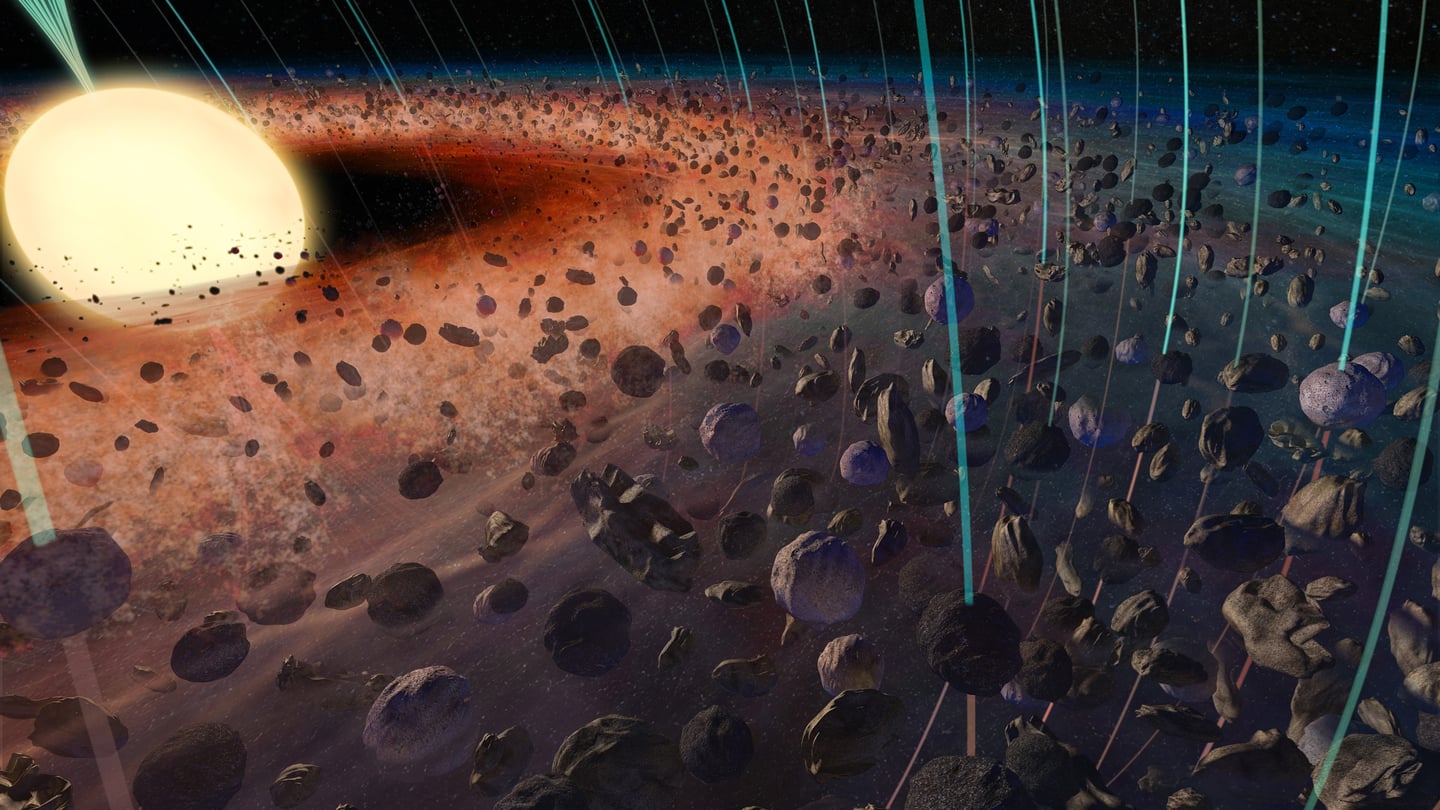
సౌర వ్యవస్థ రూపకల్పనలో మౌలిక చిత్రం పరిచితమే: 46 కోట్ల సంవత్సరాలకు పైగా క్రితం, వాయువు, ధూళితో ఉన్న ఒక మహత్తర మేఘం మరింత సాంద్ర ప్రాంతాలుగా కేంద్రీకృతమై, ఆపై కూలిపోయి ఒక డిస్క్గా సమతలమైంది, దాని మధ్యలో శిశు సూర్యుడు ఉన్నాడు. ఈ మార్పు వివరంగా ఎలా జరిగిందో గుర్తించడం మాత్రం కష్టం. గురుత్వాకర్షణ అవసరం, కానీ ఈ పతనం ఎలా నియంత్రితమైంది, పదార్థం ఎలా మార్గనిర్దేశితమైంది, డిస్క్ నిర్మాణం ఎలా రూపుదిద్దుకుంది అనే విషయంలో ఇంకేం బలాలు సహాయపడ్డాయో ఖగోళ భౌతిక శాస్త్రవేత్తలు చాలాకాలంగా చర్చిస్తున్నారు.
Universe Today ఇచ్చిన సారాంశం ప్రకారం, కొత్త కొలతలు ప్రాచీన దుమ్ము ధాన్యాలు ప్రోటోస్టెల్లర్ నెబ్యులాలోని చుంబకక్షేత్రాల రికార్డును కాపాడుకున్నాయని సూచిస్తున్నాయి. అంటే, సూర్యుడు పూర్తిగా ఏర్పడకముందే చుంబకత్వం ఉన్నది, మరియు అది అసలు మేఘాన్ని డిస్క్గా మార్చే ప్రక్రియను ప్రభావితం చేసి ఉండవచ్చు. ఆచరణలో, చుంబకక్షేత్రాలు ఛార్జ్ ఉన్న వాయువు ఎలా కదులుతుందో, కోణీయ ద్రవ్యవేగం ఎలా పునర్వినియోగమవుతుందో, పదార్థం లోపలికి లేదా బయటికి ఎలా దిశానిర్దేశితమవుతుందో ప్రభావితం చేస్తాయి. ఈ ప్రక్రియలు పతన వేగం మరియు ఆకారాన్ని మార్చగలవు.
గ్రహ విజ్ఞాన శాస్త్రవేత్తలకు ఇది కీలకం, ఎందుకంటే సౌర వ్యవస్థ నిర్మాణం ఒకేసారి ఏర్పడలేదు. డిస్క్ యొక్క భౌతిక వాతావరణం ఘన పదార్థాలు ఎలా ఘనీకరించాయో, చిన్న ధాన్యాలు ఎలా పెద్ద దేహాలుగా మారాయో, ఆ దేహాలు తరువాత గ్రహాలు, ఉపగ్రహాలు, గ్రహశకలాలు, ధూమకేతువులుగా ఎలా కూడి వచ్చాయో నిర్ణయించింది. అందువల్ల, ప్రారంభ చుంబకత్వానికి సంబంధించిన ఆధారాలు సూర్యుడి ఆవిర్భావానికే కాకుండా, మొత్తం గ్రహ వ్యవస్థకు ఆధారమైన మొదటి పరిస్థితులకూ సూచిస్తున్నాయి.
నమూనా ఏమి కాపాడింది
మూల నివేదిక ప్రకారం, పరిశోధకులు DOM 08006 లోని CAIs లో ముద్రితమైన అత్యంత ప్రాచీన చుంబకత్వ సంకేతాలను గుర్తించారు. ఆ అంతర్భాగాలు నెబ్యులాలోని చుంబక పరిస్థితులకు చిన్న రికార్డర్లలా పనిచేశాయి. అవి ఇంత తొలినాళ్లలో ఏర్పడినందున, వాటి చుంబక ముద్రను లేకుండా నేరుగా పునర్నిర్మించడం కష్టమైన ఒక కాలానికి అరుదైన పరిశీలనా పరిమితిని అందిస్తుంది.
అదే ఈ ఫలితాన్ని గమనించదగ్గదిగా చేస్తుంది. నక్షత్రం, గ్రహ రూపకల్పనకు సంబంధించిన నమూనాలు తరచూ మన సౌర వ్యవస్థలో ప్రత్యక్షంగా చూడలేని భౌతిక శాస్త్రంపై ఆధారపడతాయి, ఎందుకంటే ఆ ఘటన బిలియన్ల సంవత్సరాల క్రితం జరిగింది. ఉల్కలు, ముఖ్యంగా అసాధారణంగా బాగా సంరక్షించబడినవి, ప్రత్యక్ష ప్రయోగశాల అధ్యయనానికి లభించే కొద్ది పదార్థాలలో కొన్ని. ఆ అర్థంలో, ఈ కొత్త పని కేవలం మరో డేటా పాయింట్ను జోడించడం కాదు. సూర్యుడి జనన వాతావరణం ఎలా ప్రవర్తించిందో అర్థం చేసుకోవడానికి అందుబాటులో ఉన్న ఆధారాలను విస్తరిస్తోంది.
Universe Today ఈ అధ్యయనాన్ని గురుత్వాకర్షణతో పాటు చుంబకత్వం కూడా పాత్ర పోషించి ఉండవచ్చనే ఆలోచనకు మద్దతుగా ఫ్రేమ్ చేస్తోంది. ఆ మాటలు జాగ్రత్తగా ఉన్నాయి, అలాగే ఉండాలి కూడా. చుంబకత్వం పతనానికి ప్రధాన చోదకంగా గురుత్వాకర్షణను భర్తీ చేసిందని నివేదిక చెప్పడం లేదు. దానికి బదులుగా, ప్రోటోప్లానెటరీ డిస్క్ రూపకల్పన రెండు బలాల ప్రభావంతో జరిగింది, మరియు చుంబక ప్రభావాలు గురుత్వాకర్షణ మాత్రమే పూర్తిగా పట్టించలేని గమనాలను వివరించడంలో సహాయపడివుండొచ్చని సూచిస్తోంది.
విస్తృత ప్రభావాలు
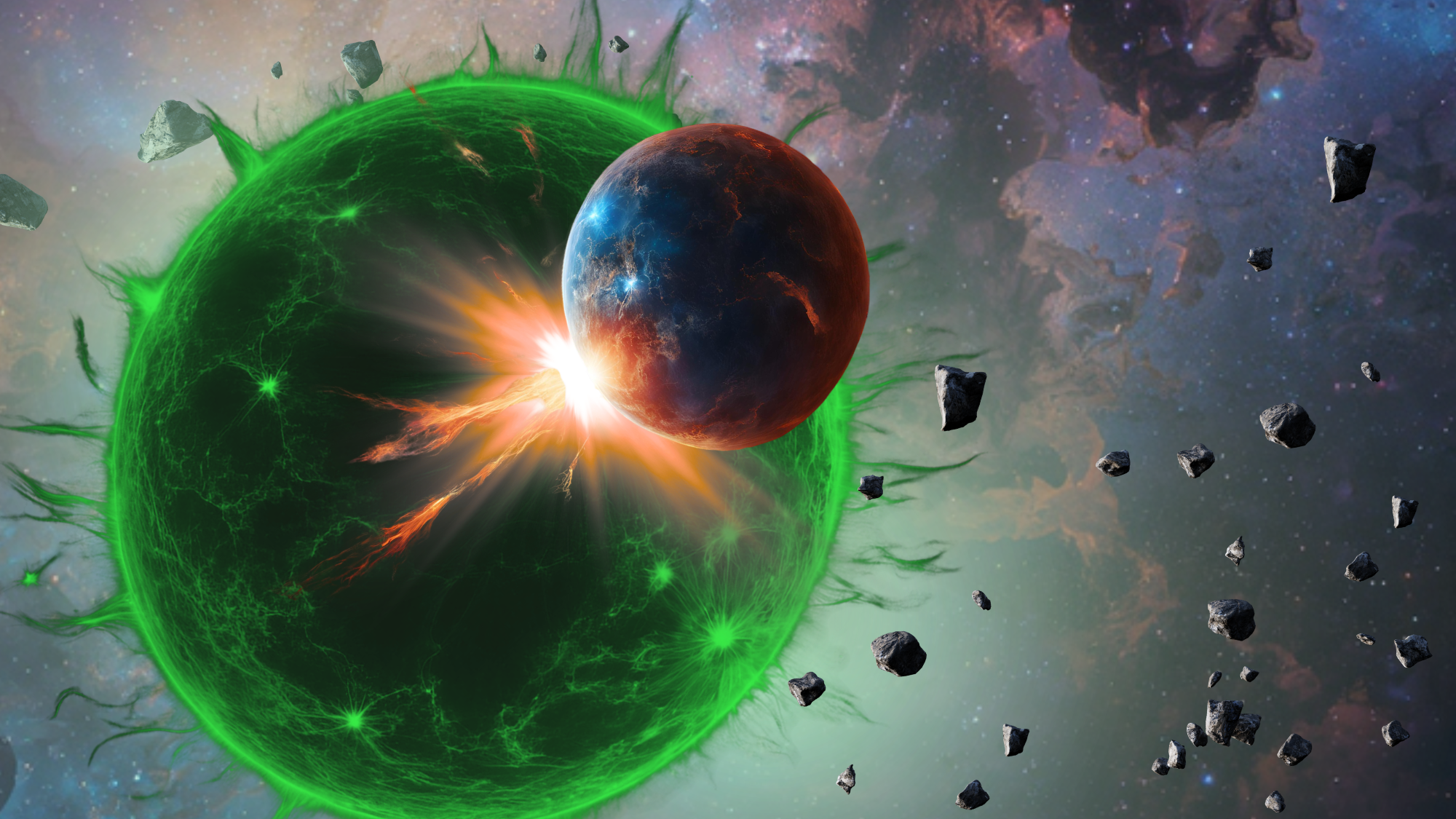
ప్రారంభ సౌర వ్యవస్థ అంతర్నిర్మిత చుంబకక్షేత్రాల వల్ల రూపుదిద్దుకుంది అనుకుంటే, దాని ప్రభావాలు స్థానిక చరిత్రను మించి విస్తరిస్తాయి. ఈ వ్యాసం, విశ్వవ్యాప్తంగా గ్రహ వ్యవస్థల జననంలో చుంబకత్వం ఒక సాధారణ బలమా అనే విస్తృత ప్రశ్నను లేవనెత్తుతోంది. ఇది ముఖ్యమైనది, ఎందుకంటే ఖగోళ శాస్త్రవేత్తలు ఇతర నక్షత్రాల చుట్టూ డిస్క్ రూపకల్పనను అర్థం చేసుకోవడానికి సౌర వ్యవస్థను ఒక ప్రమాణంగా ఉపయోగిస్తారు. ఇక్కడ చుంబకత్వానికి మరింత బలమైన ఆధారాలు, ఇతర చోట్ల కూడా చుంబకక్షేత్రాలకు పెద్ద పాత్రను కేటాయించే నమూనాలను సమర్థిస్తాయి.
ఇది నమూనా పరిరక్షణ మరియు ఉల్క వర్గీకరణ ప్రాముఖ్యతను కూడా మరింత స్పష్టం చేస్తుంది. ఒక నమూనా ఎంత తక్కువగా మార్పులకు గురైతే, అది గ్రహ విజ్ఞానంలోని ప్రాథమిక ప్రశ్నలకు అంత ప్రత్యక్షంగా సమాచారం ఇవ్వగలదు. అందుకే DOM 08006, అది చెప్పే విషయాల కారణంగానే కాదు, అలాంటి రికార్డు ఎంత అరుదైనదో అనే కారణంగానూ ప్రాముఖ్యాన్ని పొందుతోంది.
ఈ ఫలితం ప్రయోగశాల కొలతలు మరియు సిద్దాంత నమూనాలపై మరింత పనిని ప్రేరేపించే అవకాశం ఉంది. పరిశోధకులు ఇతర ప్రాచీన ఉల్కల్లోని చుంబక సంకేతాలను పోల్చాలని, భౌగోళిక చరిత్రలో అవి ఎంత స్థిరంగా ఉంటాయో పరీక్షించాలని, మరియు చుంబక ప్రభావంలో నెబ్యులా పతన సిమ్యులేషన్లను మెరుగుపరచాలని కోరుకుంటారు. పూర్తి చిత్రం ఇంకా అసంపూర్ణంగానే ఉన్నప్పటికీ, ఈ అధ్యయనం సౌర వ్యవస్థ యొక్క తొలి నిర్మాణం ఎలా ఏర్పడిందో అడగడానికి శాస్త్రవేత్తలకు మరింత స్థిరమైన ఆధారాన్ని ఇస్తుంది.
ప్రస్తుతం, ప్రధాన సందేశం సూటిగా ఉంది: సౌర వ్యవస్థలో మిగిలి ఉన్న అతి చిన్న పదార్థాల్లో కొన్ని, దాని అతిపెద్ద రూపకల్పన మార్పులలో ఒకదానిపై ఆధారాలను కలిగి ఉండవచ్చు. అంటార్కిటిక్ ఉల్కలో బందీగా ఉన్న అంతర్భాగాలు, సూర్యుడు ఇంకా జన్మిస్తున్న కాలానికి చెందిన చుంబకక్షేత్రాల ముద్రలను నిలుపుకున్నట్టు కనిపిస్తున్నాయి. ఇది సౌర వ్యవస్థ రూపకల్పనపై కేసును ముగించదు, కానీ దాని మొదటి అధ్యాయాన్ని చుంబకత్వం ఆకారమిచ్చిందన్న వాదనను గణనీయంగా బలపరుస్తుంది.
ఈ వ్యాసం Universe Today నివేదికపై ఆధారపడింది. మూల వ్యాసాన్ని చదవండి.
Originally published on universetoday.com