Drug యొక్క biological neighborhoodను చూడటానికి కొత్త మార్గం
University at Buffalo పరిశోధకులు మొత్తం tissue sectionలో వేలాది proteins ఎక్కడ ఉన్నాయో, treatment ఎక్కడ ఉందో చూపించే spatial-proteomics methodను అభివృద్ధి చేశారు. hexagonal micro-scaffold assisted spatial proteomics లేదా hex-MASP, therapy సరైన tissue ప్రాంతాలకు చేరిందా, అవి ఎలా స్పందిస్తున్నాయో అధ్యయనం చేయడంలో సహాయపడుతుంది.
ఈ పని Proceedings of the National Academy of Sciencesలో నివేదించబడింది. కొన్ని biological markersకు పరిమిత snapshot బదులు పెద్ద biological landscapeలో అనేక high-detail maps రూపొందించే విధానాన్ని పరిశోధకులు satellite viewతో పోల్చారు.
Monoclonal antibodiesతో చికిత్స చేసిన mouse brain tissueలో therapeutic antibodiesతో పాటు 6,000కుపైగా brain proteinsను map చేశారు. ఒక organలో drug ఉండటం ప్రతి relevant regionకు సమానంగా చేరిందని అర్థం కాదు.
Drug developmentలో location ఎందుకు ముఖ్యం
చాలా medicinesను organ లేదా tissue మొత్తాన్ని సూచించే measurementsతో అంచనా వేస్తారు. దీంతో local differences కనిపించకుండా పోవచ్చు. Treatment unevenగా చేరవచ్చు, disease-related proteins కొన్ని ప్రాంతాల్లో కేంద్రీకృతమై ఉండవచ్చు, tissue response ప్రాంతానికొకలా ఉండవచ్చు.
University at Buffalo professor Jun Qu ప్రకారం, వేలాది protein mapsను కలిపి చూడటం disease మరియు treatment tissueను ఎలా మార్చుతున్నాయో అర్థం చేసుకోవడంలో సహాయపడుతుంది. Drug locationను అనేక proteins distributionsతో కలపడం ద్వారా therapeutic targets మరియు response కారణాలను గుర్తించవచ్చు.
Specific protein targetsకు bind అయ్యే monoclonal antibodies వంటి therapiesకు ఇది ముఖ్యమైనది.

hex-MASP ఎలా పనిచేస్తుంది
Hex-MASP అంటే hexagonal micro-scaffold assisted spatial proteomics. పాత pipeline versionsతో పోలిస్తే ఎక్కువ spatial resolution, robustness మరియు throughput కోసం ఇది రూపొందించబడింది.
Spatial proteomics proteinsను గుర్తించడంతో పాటు అవి tissueలో ఎక్కడి నుంచి వచ్చాయో కూడా కాపాడుతుంది. Conventional analysisలో sampleను homogenize చేయడం వల్ల biologically ముఖ్యమైన spatial organization తొలగిపోవచ్చు.

Mouse-brain experimentలో method therapeutic antibodies మరియు వేలాది endogenous proteins distributionను capture చేసింది. ఇది drug tissueలో ప్రయాణించే మార్గాన్ని, అది ఎదుర్కొనే protein environmentతో అనుసంధానిస్తుంది.
సాధ్యమైన ఉపయోగాలు మరియు ముఖ్యమైన పరిమితి
Safer మరియు effective medicines అభివృద్ధికి ఈ technology సహాయపడవచ్చు. Candidate drug intended regionకు చేరుతుందా, treatment responseతో local protein patterns ఎలా సంబంధం కలిగి ఉన్నాయి, off-target effects ఎక్కడ కనిపిస్తాయి వంటి అంశాలను పరిశీలించవచ్చు.
అయితే reported application mouse-brain study మాత్రమే. ఇది promising research platform; validated clinical diagnostic లేదా నిర్దిష్ట human therapyను మెరుగుపరుస్తుందని నిరూపితమైన విధానం కాదు. Reproducibility, cost, sample handling మరియు పెద్ద datasets interpretationపై మరింత పని అవసరం.
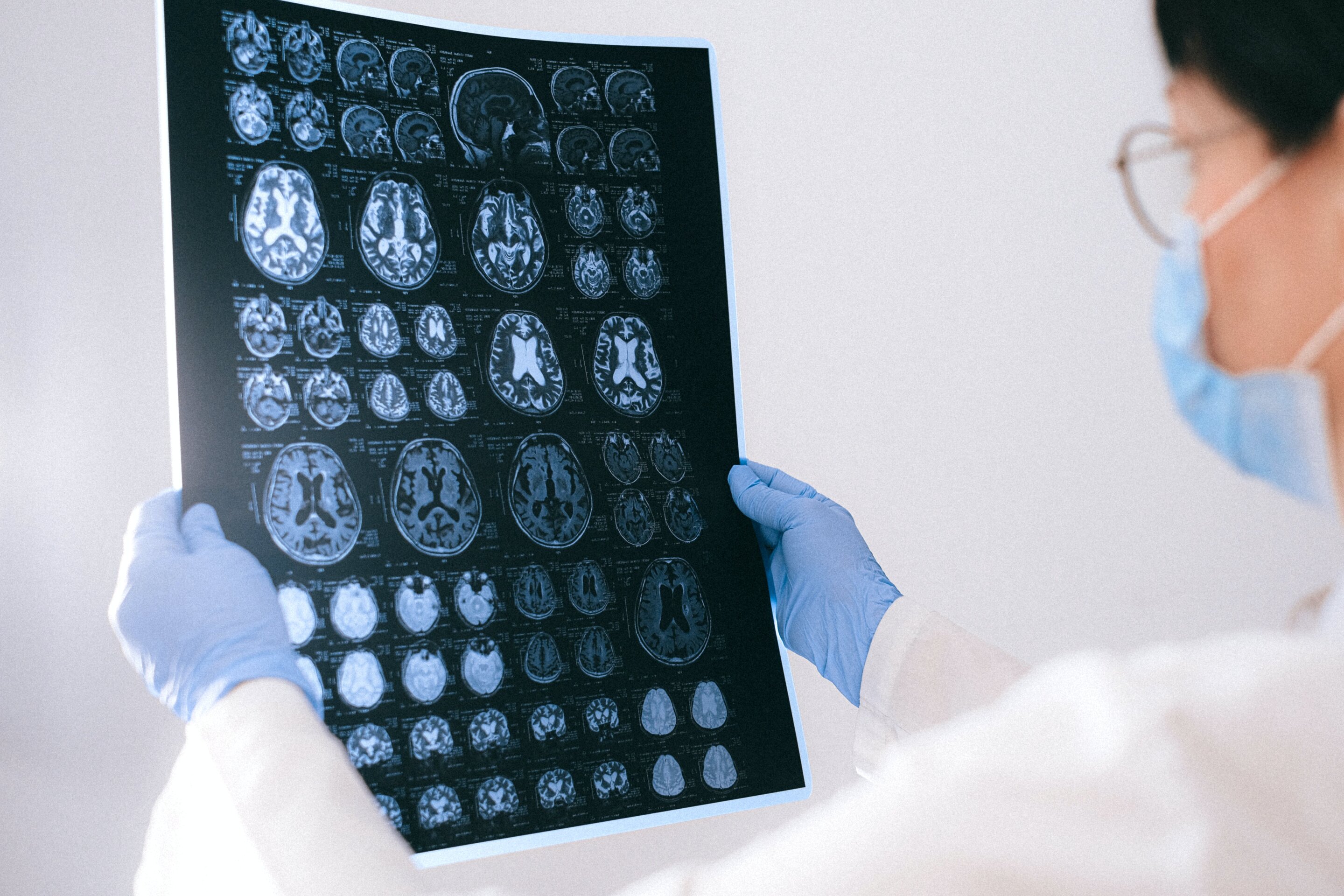
Tissue snapshot నుంచి broader biological map వరకు
hex-MASP యొక్క ప్రధాన వాగ్దానం pharmaceutical researchను మరింత spatially informed చేయడం. Therapy organలో uneven effects కలిగిస్తే averages ముఖ్యమైన సమాచారాన్ని దాచవచ్చు. Treatment మరియు వేలాది proteinsను కలిసి map చేయడం ద్వారా సులభ measurements చూపని patterns కనిపించవచ్చు.
Drug developersకు ఇది targets, molecular formats, apparent nonresponse మరియు unintended biological effectsపై పరిశోధనలోనే నిర్ణయాలను ప్రభావితం చేయవచ్చు. University at Buffalo demonstration ఈ ప్రశ్నలకు సమాధానం ఇవ్వదు; కానీ మరింత వివరంగా అడగడానికి technical routeను అందిస్తుంది.
Tissueను uniform sampleగా కాక organized landscapeగా అర్థం చేసుకునే biomedical measurement మార్పును ఈ పని చూపిస్తుంది.
ఈ కథనం Medical Xpress నివేదిక ఆధారంగా రూపొందించబడింది. అసలు కథనం చదవండి.
Originally published on medicalxpress.com